Classic Horror Reimagined
Raven's Gate Classics
Where the classics rise again with new teeth
Raven's Gate Classics breathes new life into the foundational works of supernatural literature. These beautifully reimagined editions honor the original texts while presenting them with striking new cover art that captures the dark essence of timeless tales. From the gothic vampire stories that predated Dracula to the ghost tales that still haunt us today, this imprint preserves literary horror history for a new generation of readers who understand that the old monsters never really died—they just waited in the shadows for us to rediscover them.
Books by Raven's Gate Classics
Explore the complete collection of supernatural tales from this author.
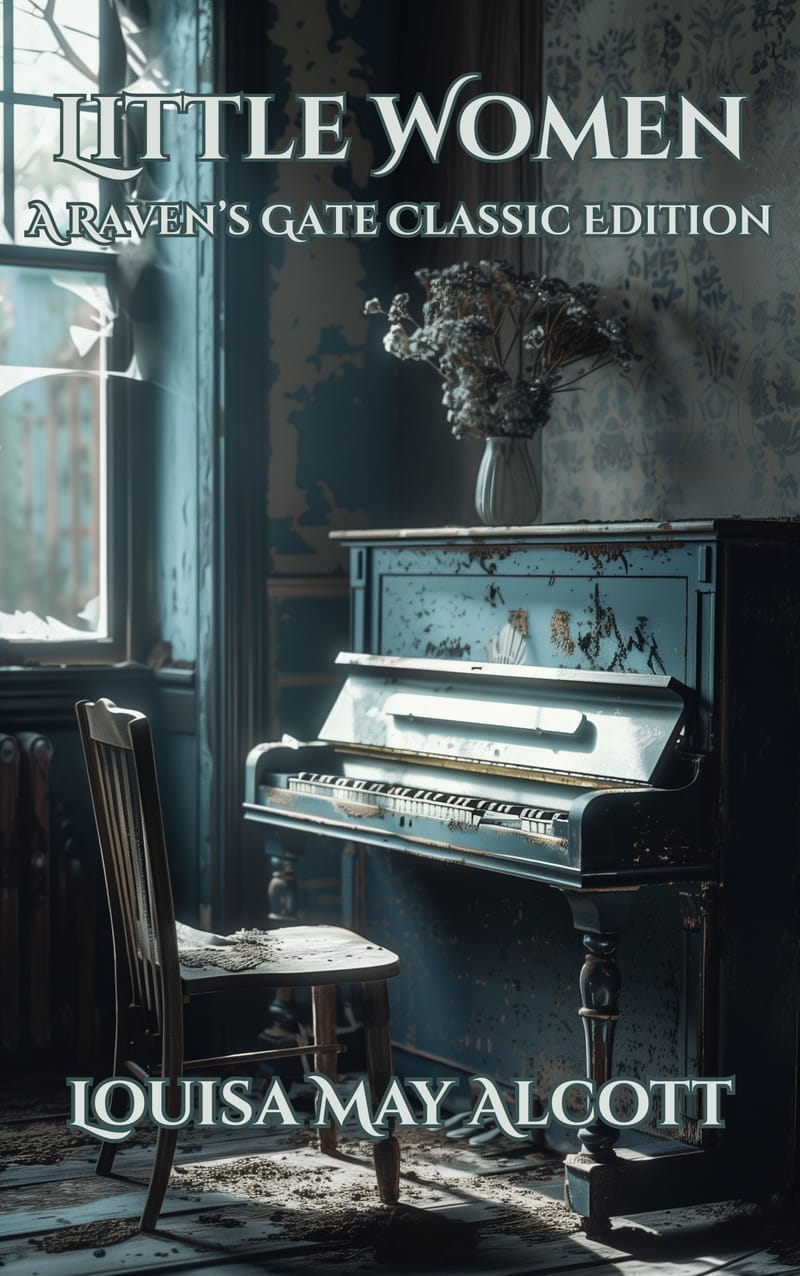
Little Women
Louisa May Alcott
Louisa May Alcott didn't want to write it. Her publisher asked for "a girls' story" and she thought the idea was dull. She wrote it anyway because she needed the money. It became the most influential American novel about growing up, and it made her miserable for the rest of her life. Little Women is not the gentle book people remember. It is a novel about poverty, work, rage, grief, and the relentless pressure on women to be good. Jo March is furious for most of it. She burns with ambition, fights with her sisters, nearly lets a child drown out of spite, and writes sensational fiction for money while people tell her she should write something wholesome. Alcott was writing herself, and she resented every minute of it. The death of Beth is one of the most devastating sequences in American fiction. Alcott knew what she was doing. She'd nursed her own sister through the same slow dying. She'd nursed Union soldiers through worse. When readers begged her not to kill Beth, she said reality didn't consult her either. This Raven's Gate Classics edition includes the complete, unaltered text of both parts — the original Little Women and Good Wives — in forty-seven chapters. A biography of Louisa May Alcott gives the real story behind the fiction: Bronson Alcott's transcendentalist experiments and catastrophic failures as a provider, the family's grinding poverty, Louisa's work as a seamstress and teacher and domestic servant before she was a writer, her service as a Civil War nurse at Union Hospital in Georgetown and the mercury poisoning that destroyed her health, the writing of Little Women under protest, the fame that trapped her, and her death within two days of her father. Commentary covers what Alcott was doing with the domestic novel and why it was revolutionary, the Jo-and-Laurie question that has haunted readers for over a century, Beth's death as the novel's structural and emotional centre, the problem of Professor Bhaer, and how Alcott smuggled her anger into a genre that was not supposed to contain it. Curated further reading is included. No summaries. No study questions. No academic gatekeeping. Just the novel Alcott wrote under protest that turned out to be her masterpiece, with the context to understand the woman behind Jo March and why she never forgave the book for making her famous.

Andersen's Fairy Tales
Hans Christian Andersen
Hans Christian Andersen's enchanting tales have captivated readers young and old for nearly two centuries. This collection gathers his most beloved stories—'The Little Mermaid,' 'The Ugly Duckling,' 'The Snow Queen,' 'The Emperor's New Clothes,' 'The Little Match Girl,' and many more. Blending whimsy with profound emotional depth, Andersen's fairy tales explore themes of longing, transformation, sacrifice, and the bittersweet nature of life itself. Far more than simple children's stories, these timeless fables shimmer with beauty, heartbreak, and wonder. A Raven's Gate Classics edition with magical new cover art.
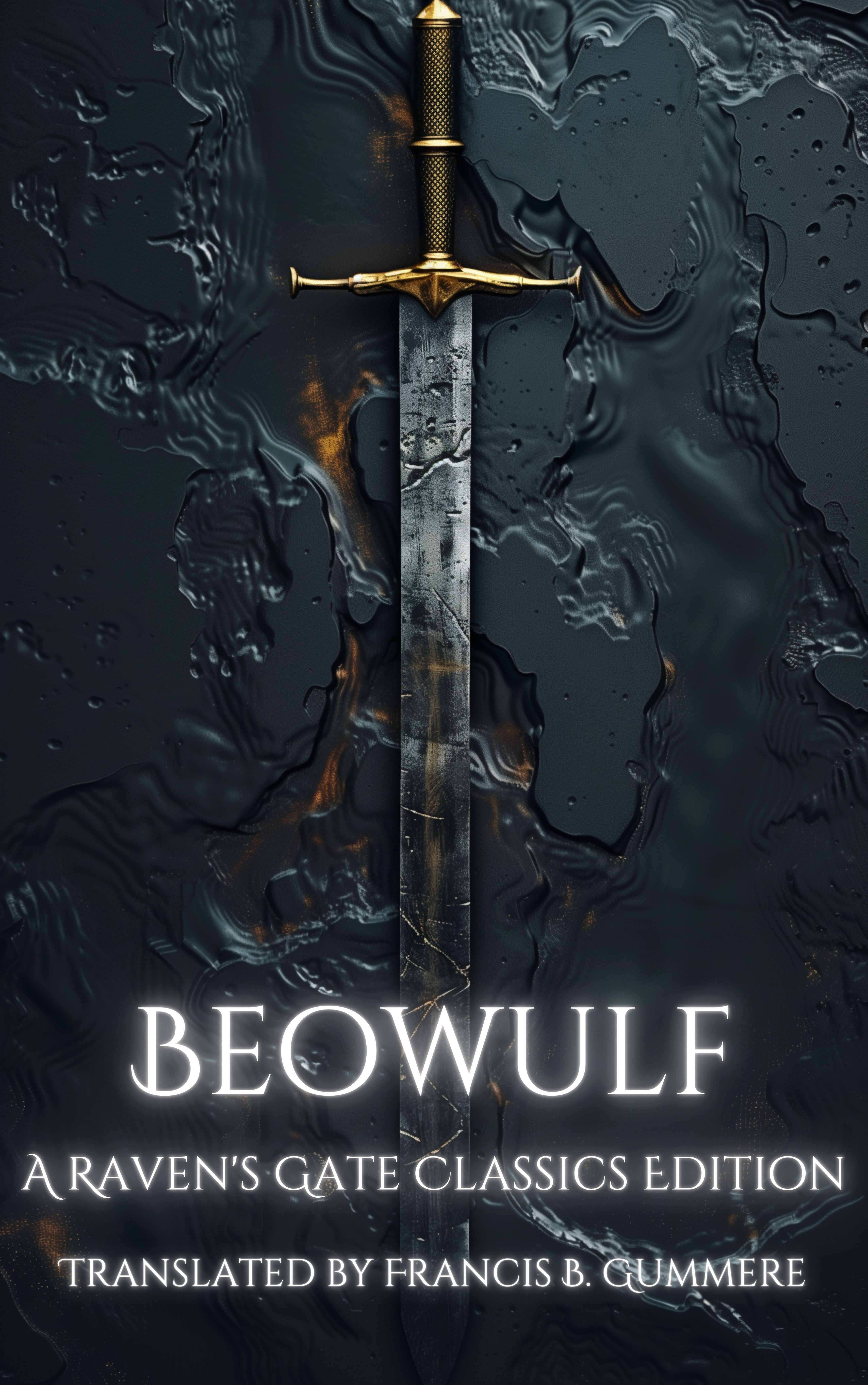
Beowulf
Anonymous
The greatest surviving epic of the Anglo-Saxon world, Beowulf is a thunderous tale of heroism, monsters, and fate. The mighty warrior Beowulf travels to aid the Danish king Hrothgar, whose mead-hall is terrorized by the murderous fiend Grendel. After tearing the monster apart with his bare hands, Beowulf must then face Grendel's vengeful mother in her underwater lair—and decades later, as an aged king, confront a fire-breathing dragon in a final, fatal battle. Translated by Francis B. Gummere, this verse rendering captures the alliterative thunder of the Old English original. A Raven's Gate Classics edition with atmospheric new cover art.
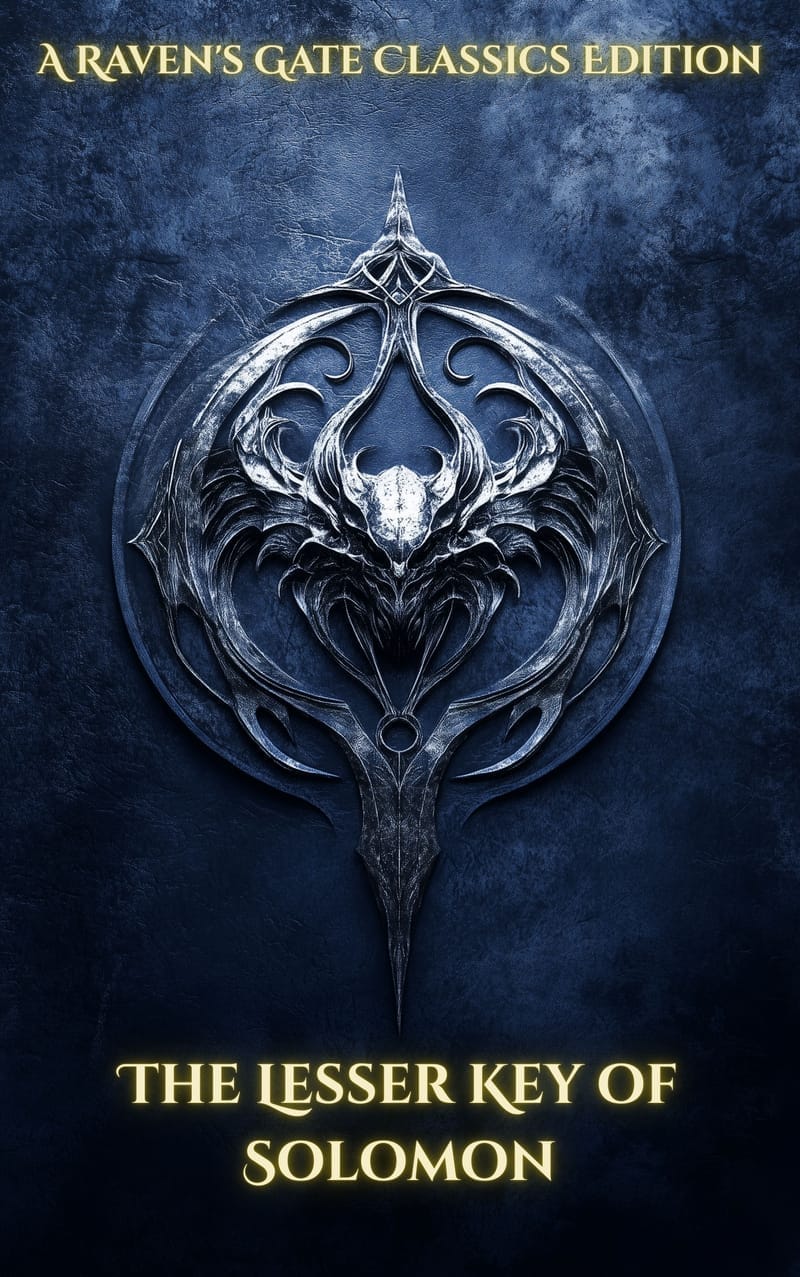
The Lesser Key of Solomon
Anonymous
Seventy-two demons. Each one named, ranked, described in appearance, and assigned specific powers. One makes you invisible. Another teaches all languages. A third causes earthquakes. A fourth inflames love between men and women. The catalogue reads like a government directory for hell, organized with bureaucratic precision: Kings, Dukes, Princes, Marquises, Presidents, Earls and Knights, each commanding legions. The Lesser Key of Solomon is the most famous grimoire in the Western magical tradition, a manual of ceremonial magic that has been copied, argued over, banned and reprinted for four centuries. This edition presents the complete Goetia — the first and most notorious of the Lemegeton's five books — in the translation by S. L. MacGregor Mathers, co-founder of the Hermetic Order of the Golden Dawn, as completed by Aleister Crowley. It includes Crowley's introductory essay reframing the demons as portions of the human brain, the full catalogue of seventy-two spirits, all conjurations and ritual instructions, and the Enochian translations of the ceremonial texts. This Raven's Gate Classics edition includes the complete, unaltered text of the 1916 de Laurence edition, preserving the Mathers translation as completed by Crowley with all original footnotes. A triple biography covers the three men behind this text: Mathers, the Golden Dawn founder who translated from British Museum manuscripts; Crowley, the former student who published it after their spectacular falling-out; and de Laurence, the Chicago occult entrepreneur who brought it to a global audience. Commentary covers what the Goetia actually is and where it sits in the grimoire tradition, the seventy-two spirits and how to read their catalogue, the ritual apparatus from magical circle to license to depart, Crowley's psychological reinterpretation and its lasting influence, the footnotes as a window into the Mathers-Crowley feud, and the Solomonic magical tradition from late antiquity to the present. Legacy covers the Goetia's influence on the Golden Dawn, Thelema, Caribbean folk magic, academic grimoire studies and contemporary popular culture. Curated further reading includes Peterson's critical edition of the complete Lemegeton, Owen Davies' history of grimoires, and the major Crowley and Mathers biographies. No summaries. No study questions. No academic gatekeeping. Just the book that taught the Western world how to talk to demons, with the context to understand who wrote it, who stole it, and why it refuses to disappear.
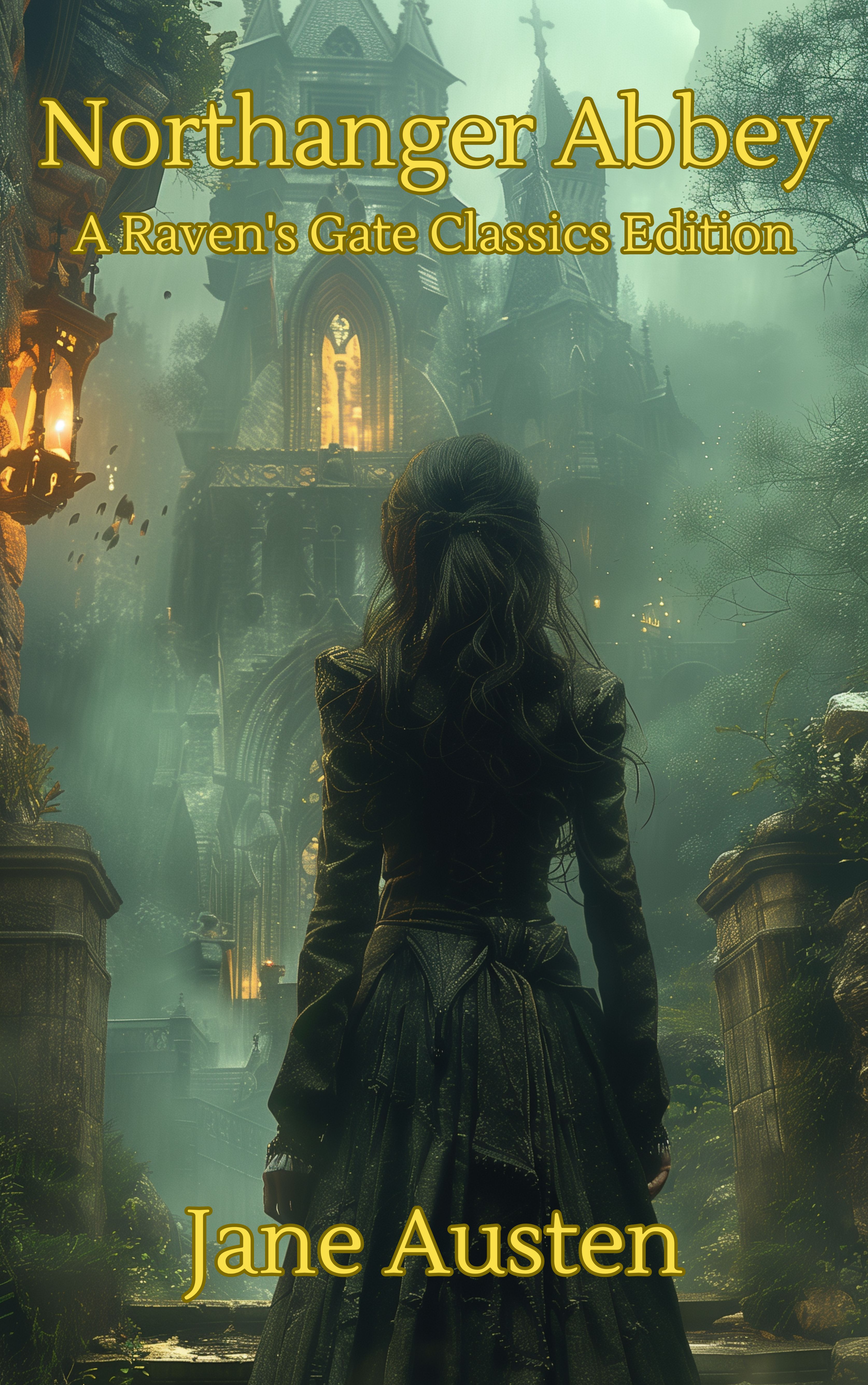
Northanger Abbey
Jane Austen
Jane Austen's first completed novel—and her most playful—is both a Gothic parody and a coming-of-age story. Catherine Morland is an ordinary young woman with an extraordinary imagination, fed by too many Gothic novels. When she's invited to the ancient Northanger Abbey, she's convinced dark secrets lurk behind every door. But the real dangers Catherine faces aren't supernatural—they're the everyday cruelties of social climbing, false friendship, and mercenary marriage. Austen's wit sparkles as she skewers both the Gothic genre and the society that produced it. A Raven's Gate Classics edition with atmospheric cover art.
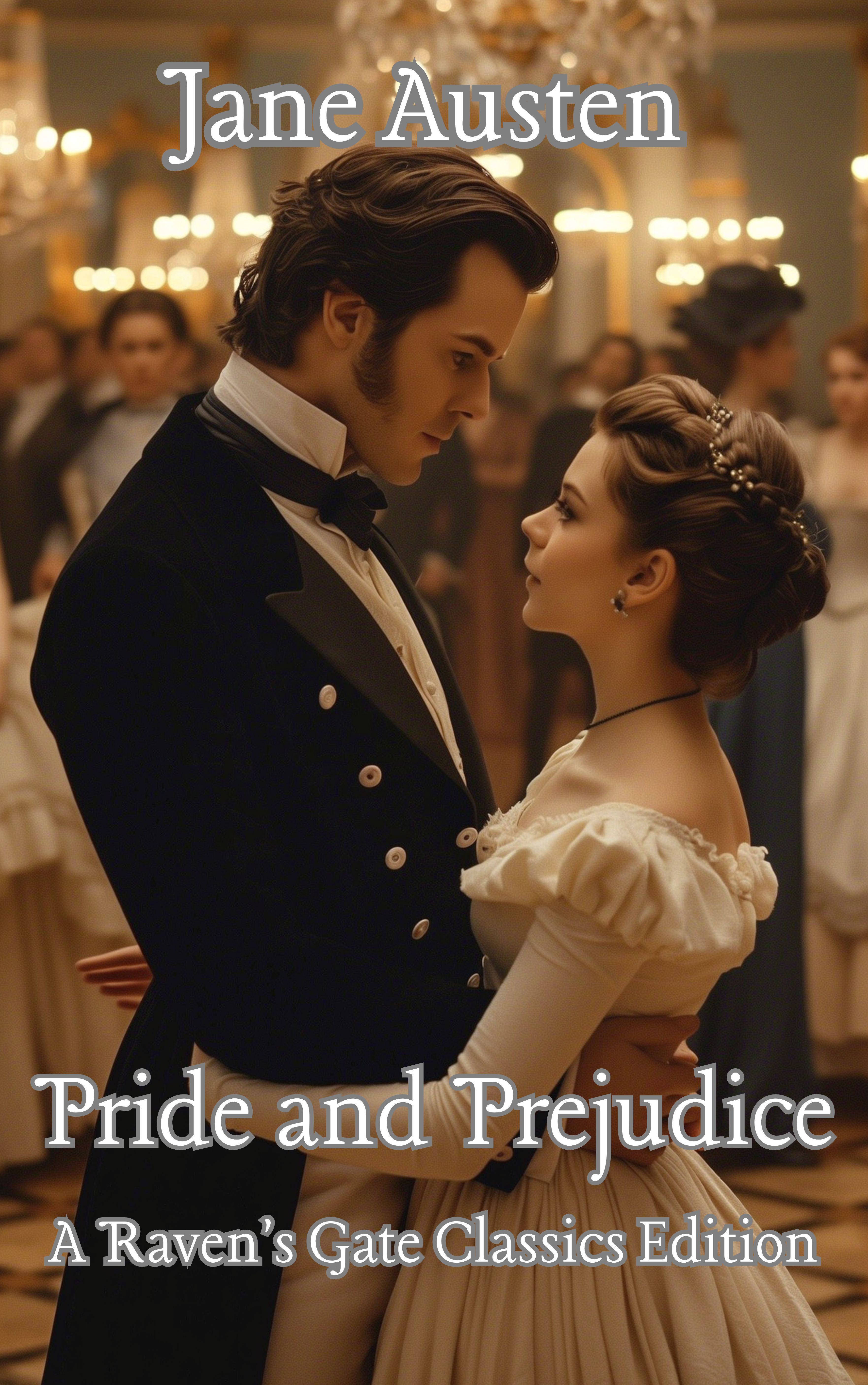
Pride and Prejudice
Jane Austen
Jane Austen's 1813 masterpiece is the most beloved romance in the English language—and one of the sharpest social satires ever written. Elizabeth Bennet is intelligent, witty, and determined not to marry without love. Mr. Darcy is proud, reserved, and certain of his own superiority. Their mutual dislike transforms into something far more complicated as misunderstandings multiply and truths emerge. Austen's genius lies in making us laugh at her characters while caring desperately about their happiness. Two centuries later, Lizzy and Darcy remain the gold standard against which all romantic couples are measured. A Raven's Gate Classics edition.
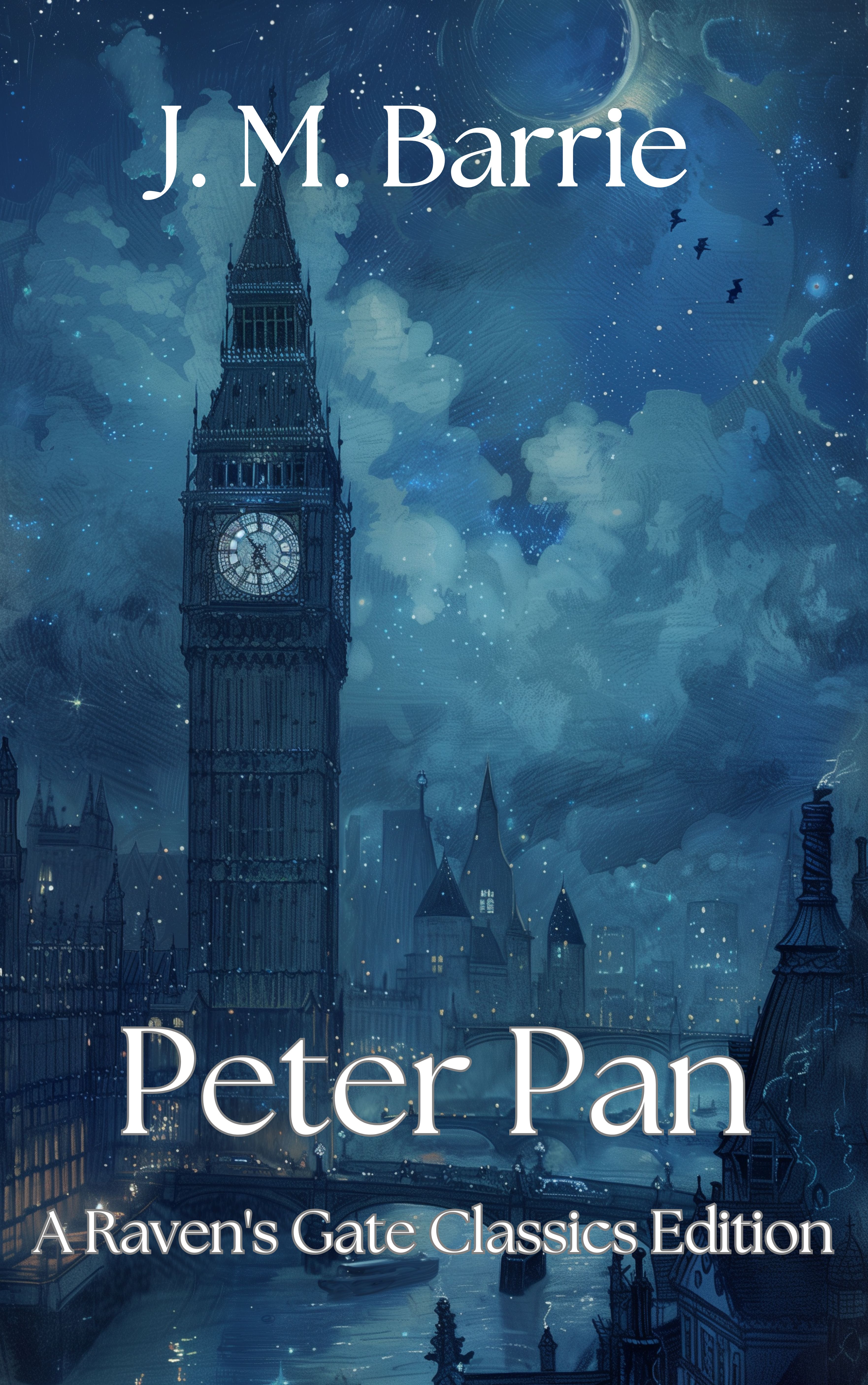
Peter Pan
J. M. Barrie
J.M. Barrie's 1911 novel is far darker and stranger than the Disney version suggests. Peter Pan is the boy who refused to grow up, living in Neverland with the Lost Boys, fighting pirates, and consorting with fairies. When he spirits Wendy, John, and Michael Darling away from their London nursery, they discover a world of adventure—but also of forgetting, of children who fall from their prams and are never claimed, of a boy who cannot understand love or loss because he cannot remember. Beneath the fantasy lies a profound meditation on childhood, memory, and the terrible cost of never growing up. A Raven's Gate Classics edition.
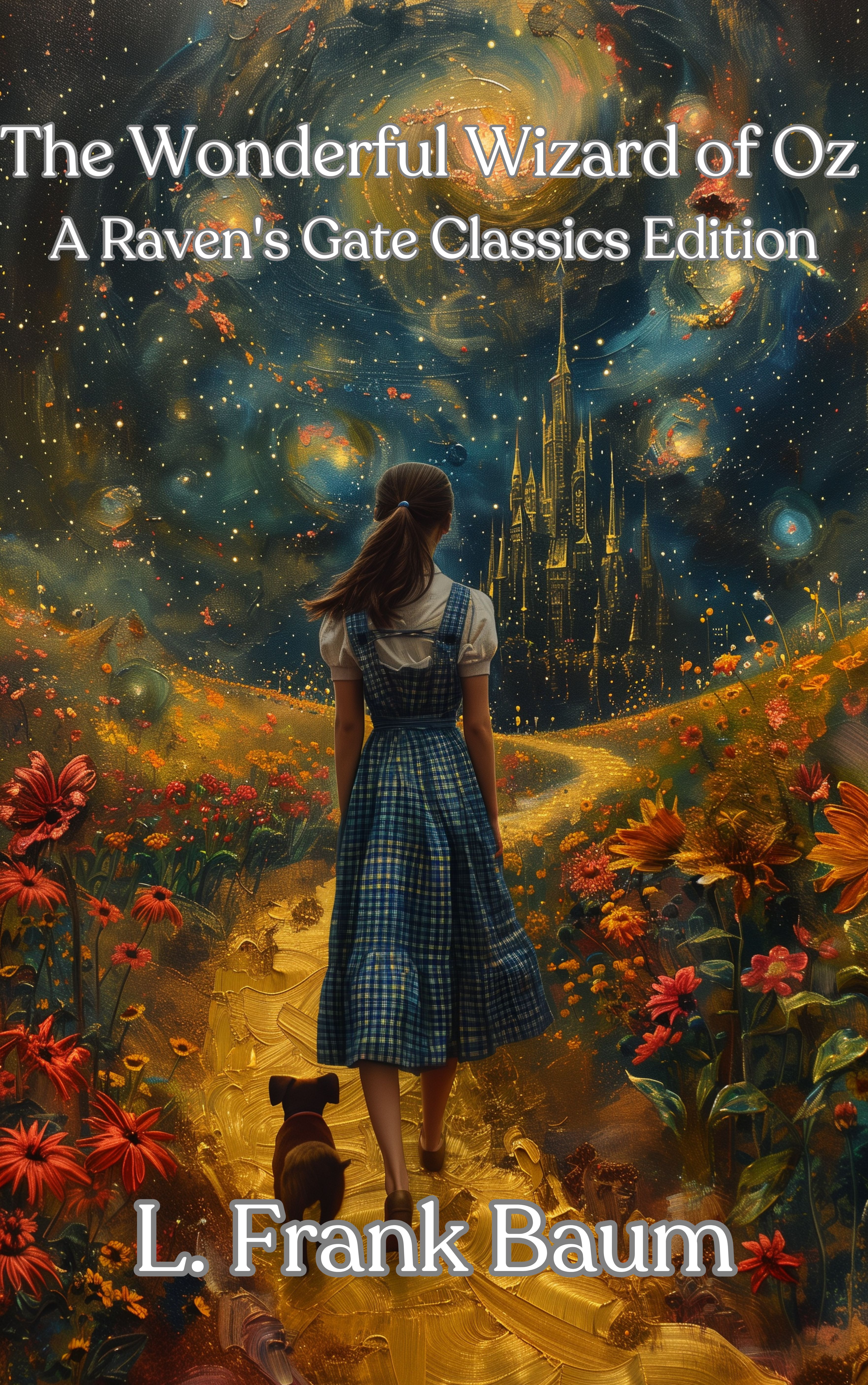
The Wonderful Wizard of Oz
L. Frank Baum
L. Frank Baum's 1900 fantasy created the first truly American fairy tale—and one of the most enduring stories ever told. When a Kansas tornado drops Dorothy and her dog Toto in the magical Land of Oz, she must follow the Yellow Brick Road to the Emerald City to find the Wizard who can send her home. Along the way she befriends a Scarecrow who wants a brain, a Tin Woodman who wants a heart, and a Cowardly Lion who wants courage. But the Wizard may not be what he seems, and home may be closer than Dorothy thinks. A Raven's Gate Classics edition with enchanting new cover art.
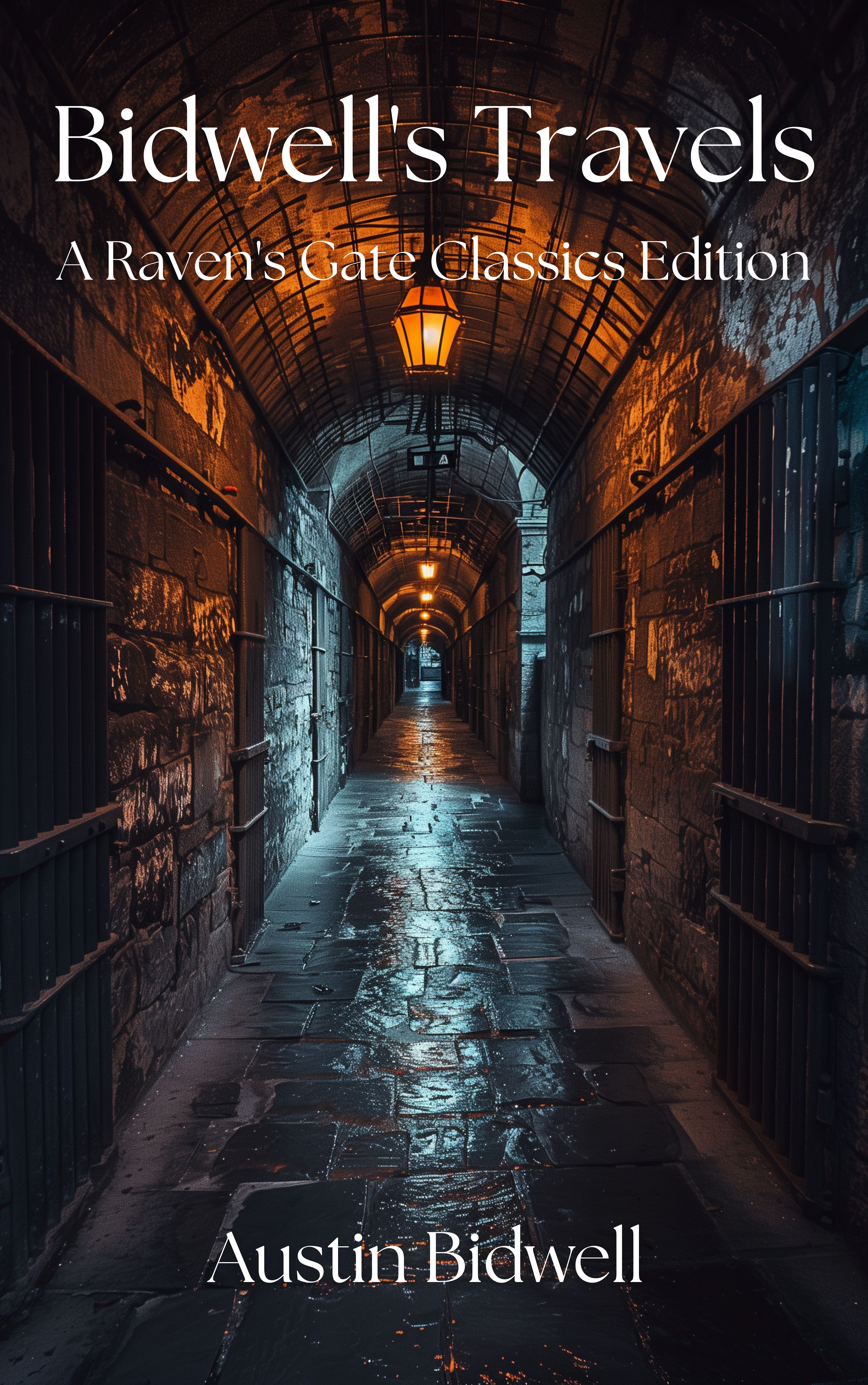
Bidwell's Travels
Austin Bidwell
Austin Bidwell was one of the most notorious confidence men of the 19th century—the mastermind behind the audacious 1873 forgery that nearly swindled the Bank of England out of a fortune. In this remarkable memoir, Bidwell recounts his extraordinary life of crime, his daring schemes across two continents, his eventual capture, and the long years he spent in the grim confines of an English prison. Part adventure, part confession, and part searing indictment of the penal system, Bidwell's Travels offers a fascinating first-hand glimpse into the criminal underworld of the Victorian age and the man who lived to tell the tale. A Raven's Gate Classics edition with atmospheric new cover art.
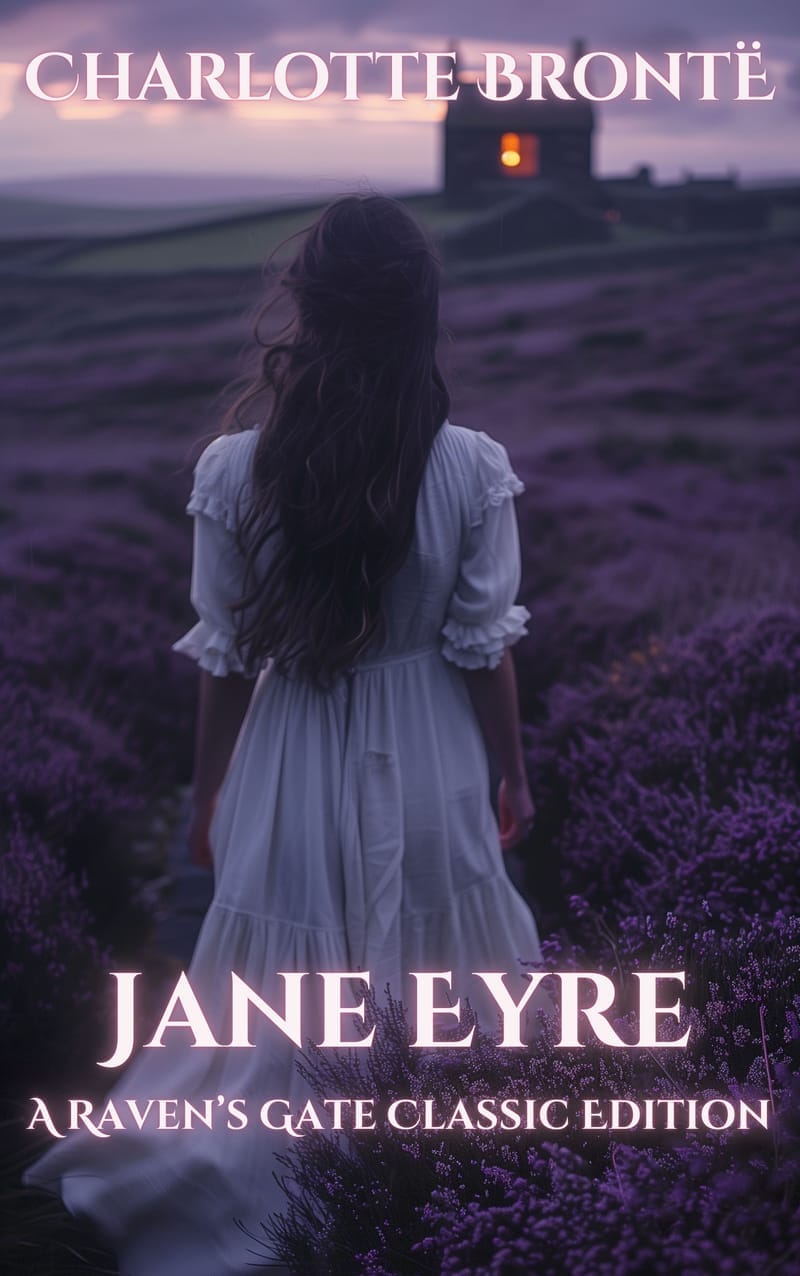
Jane Eyre
Charlotte Bronte
She is ten years old, locked in a room where a man died, and she is already fighting back. Jane Eyre does not apologize for her existence. Not when her aunt locks her away. Not when Lowood School tries to break her. Not when she falls in love with a man who has a secret that would destroy lesser novels. And not in the famous line that readers have carried with them for nearly two centuries: "Do you think, because I am poor, obscure, plain, and little, I am soulless and heartless? You think wrong!" Charlotte Bronte published this in 1847 under the name Currer Bell, and the literary establishment lost its collective mind. The book was passionate, furious, and uncomfortably direct about what it felt like to be a woman without money, beauty, or connections in a world that valued nothing else. Reviewers called it coarse. They meant honest. The novel is a gothic romance, but it is also a class argument. Jane is a governess, which means she is educated enough to teach the wealthy but not wealthy enough to sit at their table. Bronte lived that position, and the resentment burns off every page. Rochester is magnetic and manipulative and hiding something terrible in the attic. The madwoman upstairs has become one of the most written-about figures in literary criticism, and rightly so, because what Rochester did to Bertha Mason is the dark foundation the love story is built on. Bronte does not let you forget it, even when she lets Jane forgive it. This Raven's Gate Classics edition includes the complete, unaltered text of the 1847 first edition across thirty-eight chapters. A biography of Charlotte Bronte covers the Haworth parsonage childhood, the deaths of Maria and Elizabeth at Cowan Bridge (the school that became Lowood), the juvenilia written with Branwell, the disastrous experience as governess, the Brussels period and the attachment to Constantin Heger, the decision to publish with her sisters, the explosive reception of Jane Eyre, the revelation of Currer Bell's identity, the deaths of Branwell, Emily, and Anne in a single terrible year, the marriage to Arthur Bell Nicholls, and the death in pregnancy at thirty-eight. Commentary covers the novel's voice and why it still sounds like no one else, the gothic tradition and what Bronte did with it, class and independence as the novel's real engine, religion as both weapon and refuge, and the problem of Rochester, which is also the problem of Bertha, which is also the problem of empire. Curated further reading is included. No summaries. No study questions. No academic gatekeeping. Just the novel that made a plain, poor, angry governess the most compelling heroine in English fiction, with the context to understand the plain, poor, angry clergyman's daughter who wrote her.
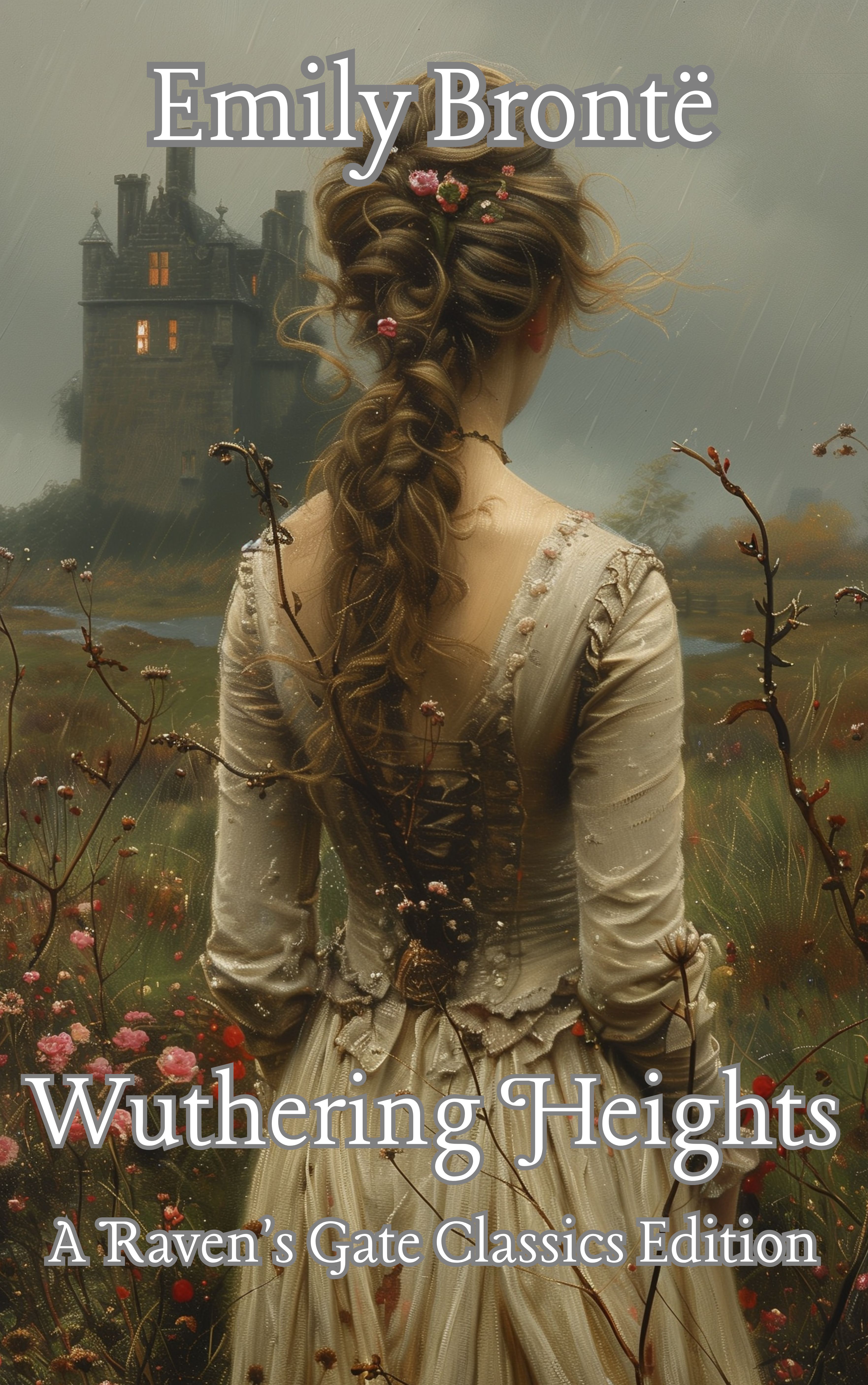
Wuthering Heights
Emily Bronte
Emily Brontë's only novel is a wild, passionate, and deeply unsettling story of love that transcends death—and destroys everyone it touches. Heathcliff, a foundling raised alongside Catherine Earnshaw on the Yorkshire moors, loves her with an intensity that borders on madness. When she chooses respectability over passion, his revenge consumes two generations. This is not a comfortable love story: it's a tale of obsession, cruelty, and souls so intertwined they cannot exist apart. Brontë wrote nothing else—she died at thirty—but Wuthering Heights ensures her immortality. A Raven's Gate Classics edition with atmospheric new cover art.
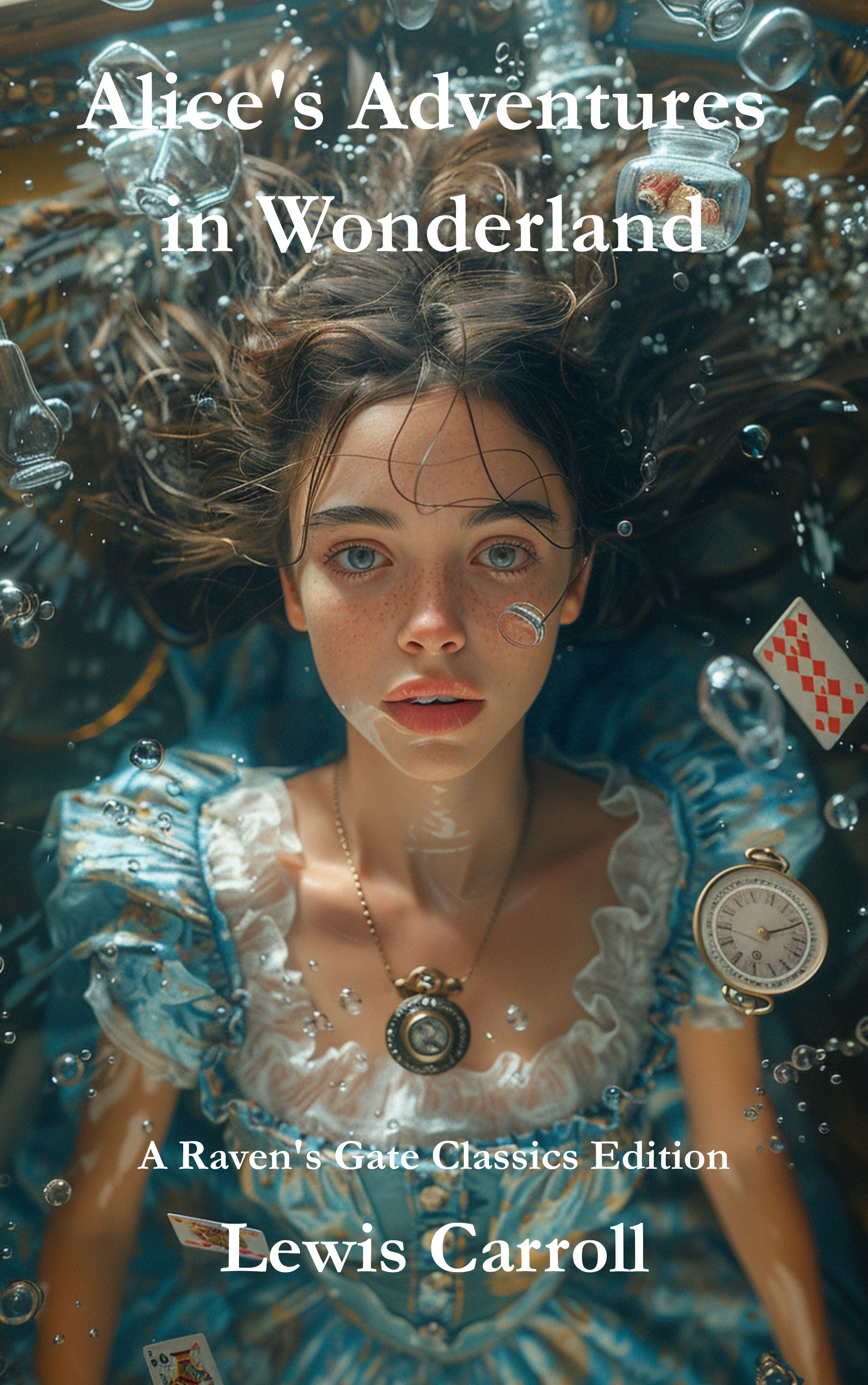
Alice's Adventures in Wonderland
Lewis Carroll
Fall down the rabbit hole with Lewis Carroll's timeless 1865 masterpiece of literary nonsense. In this beloved tale, young Alice tumbles into a world where nothing makes sense—cats vanish leaving only their grins, mad hatters host eternal tea parties, and a tyrannical queen demands heads roll at the slightest offense. Carroll's brilliant wordplay and dreamlike logic have enchanted readers for over 150 years. This Raven's Gate Classics edition presents the complete original text with a stunning new cover that captures Wonderland's surreal beauty.
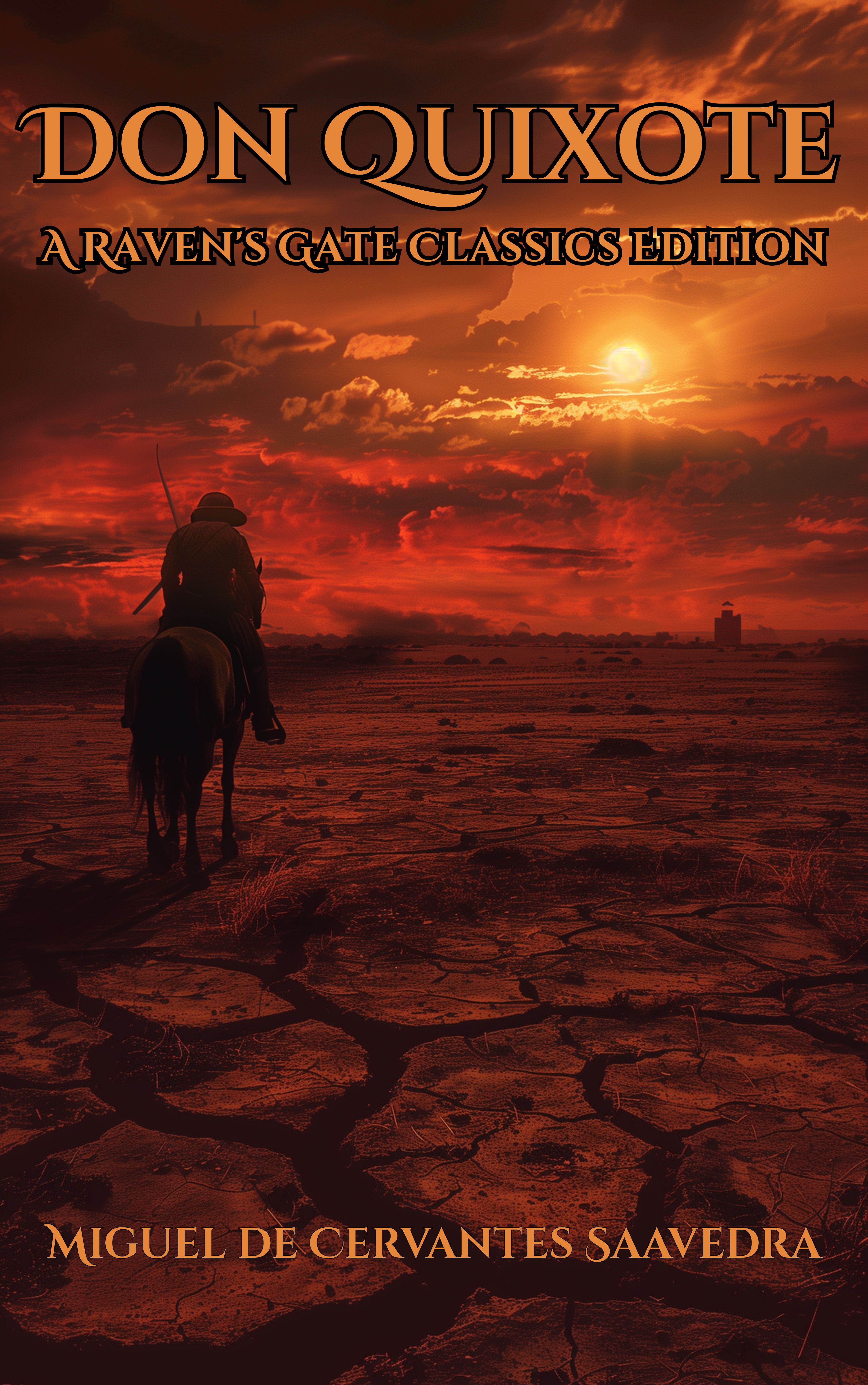
Don Quixote
Miguel de Cervantes
Miguel de Cervantes Saavedra's 1605 masterpiece is widely considered the first modern novel—and one of the greatest works ever written. An aging gentleman, his mind addled by too many tales of chivalry, sets out as a knight-errant to revive the age of heroes. Renaming himself Don Quixote, he charges windmills he believes to be giants, mistakes inns for castles, and recruits the loyal peasant Sancho Panza as his squire. Both hilarious and heartbreaking, the novel is a profound meditation on idealism and reality, madness and wisdom, and the dignity of dreaming impossible dreams in a disenchanted world. A Raven's Gate Classics edition with dramatic new cover art.
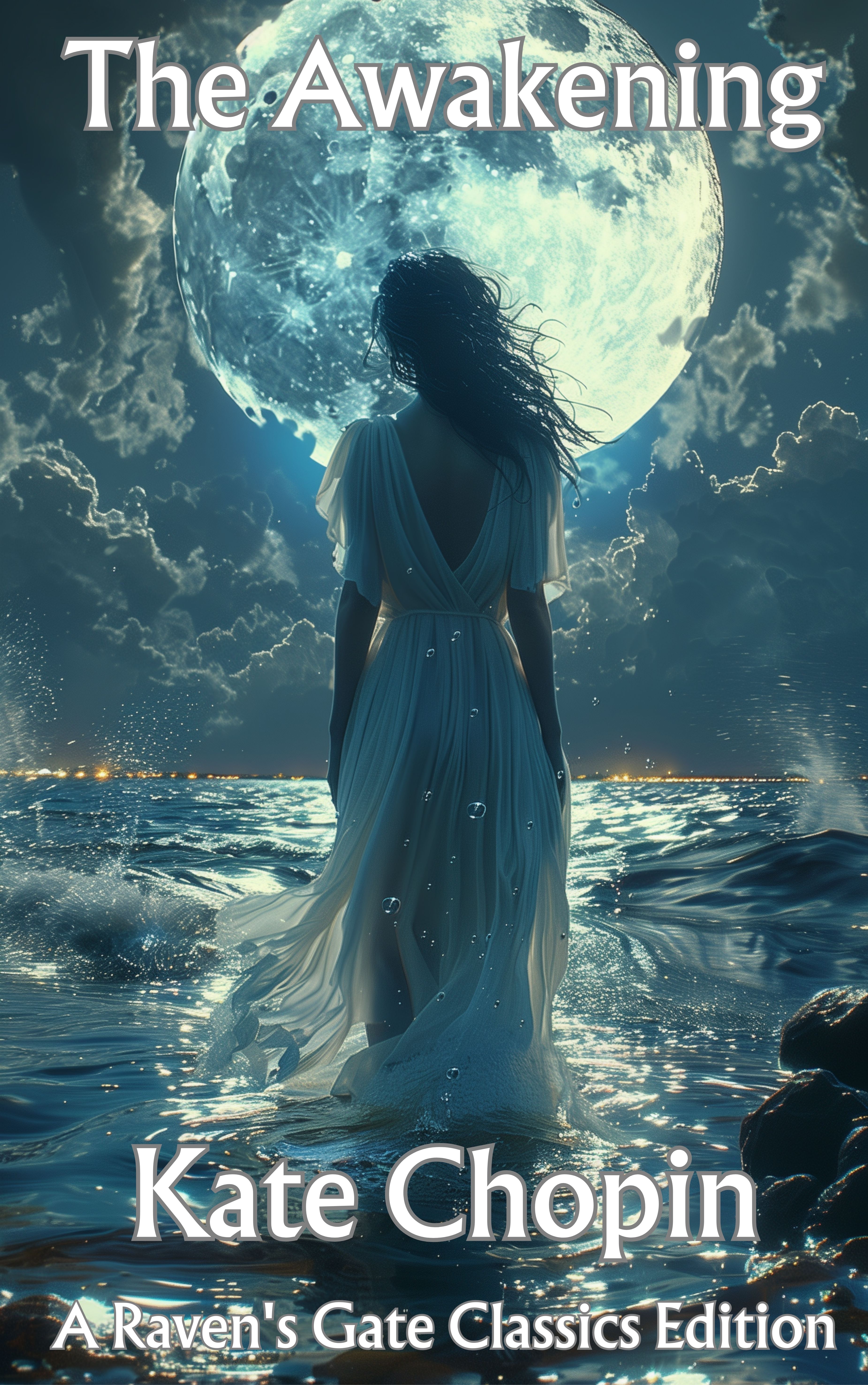
The Awakening
Kate Chopin
Kate Chopin's 1899 masterpiece was so far ahead of its time that it destroyed her literary career—and became one of the most important novels in American literature. Edna Pontellier is a young wife and mother vacationing on the Louisiana Gulf Coast when she begins to 'awaken' to desires and ambitions that her society forbids women to have. Her journey toward independence and self-discovery remains as radical and heartbreaking today as it was over a century ago. A pioneering work of feminist literature that speaks to every woman who has ever felt trapped by expectation. A Raven's Gate Classics edition with hauntingly beautiful new cover art.
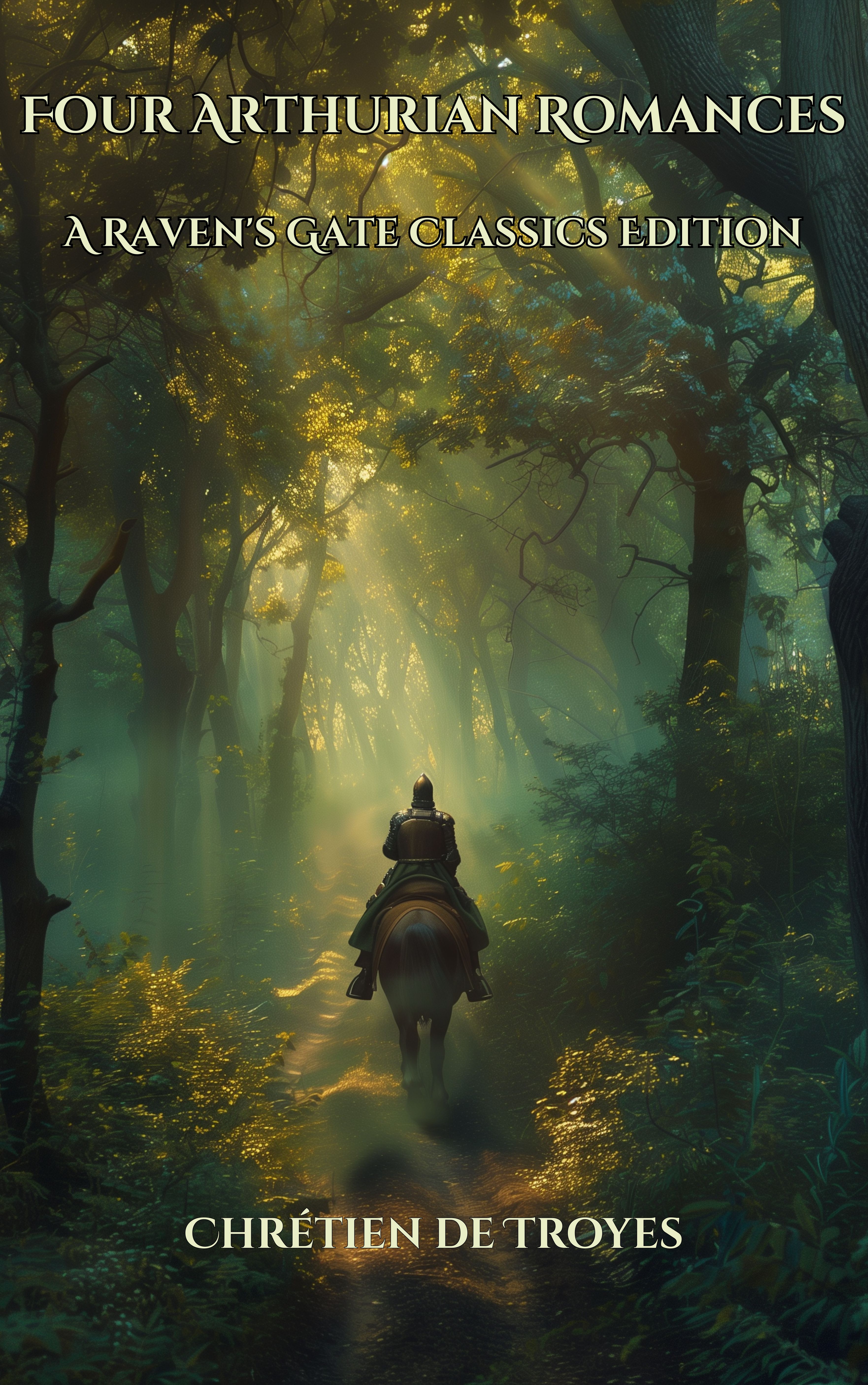
Four Arthurian Romances
Chretien de Troyes
Chrétien de Troyes was the 12th-century poet who invented the literary world of King Arthur as we know it—and these four verse romances are the foundation of Arthurian legend. 'Erec and Enide,' 'Cligès,' 'Yvain, the Knight of the Lion,' and 'Lancelot, the Knight of the Cart' introduced the quest, courtly love, and the chivalric ideal to Western literature, and gave us Lancelot's doomed passion for Guinevere. Filled with enchanted forests, magical fountains, fierce combats, and tests of love and honor, these tales shaped every Arthurian story that followed. A Raven's Gate Classics edition with enchanting new cover art.
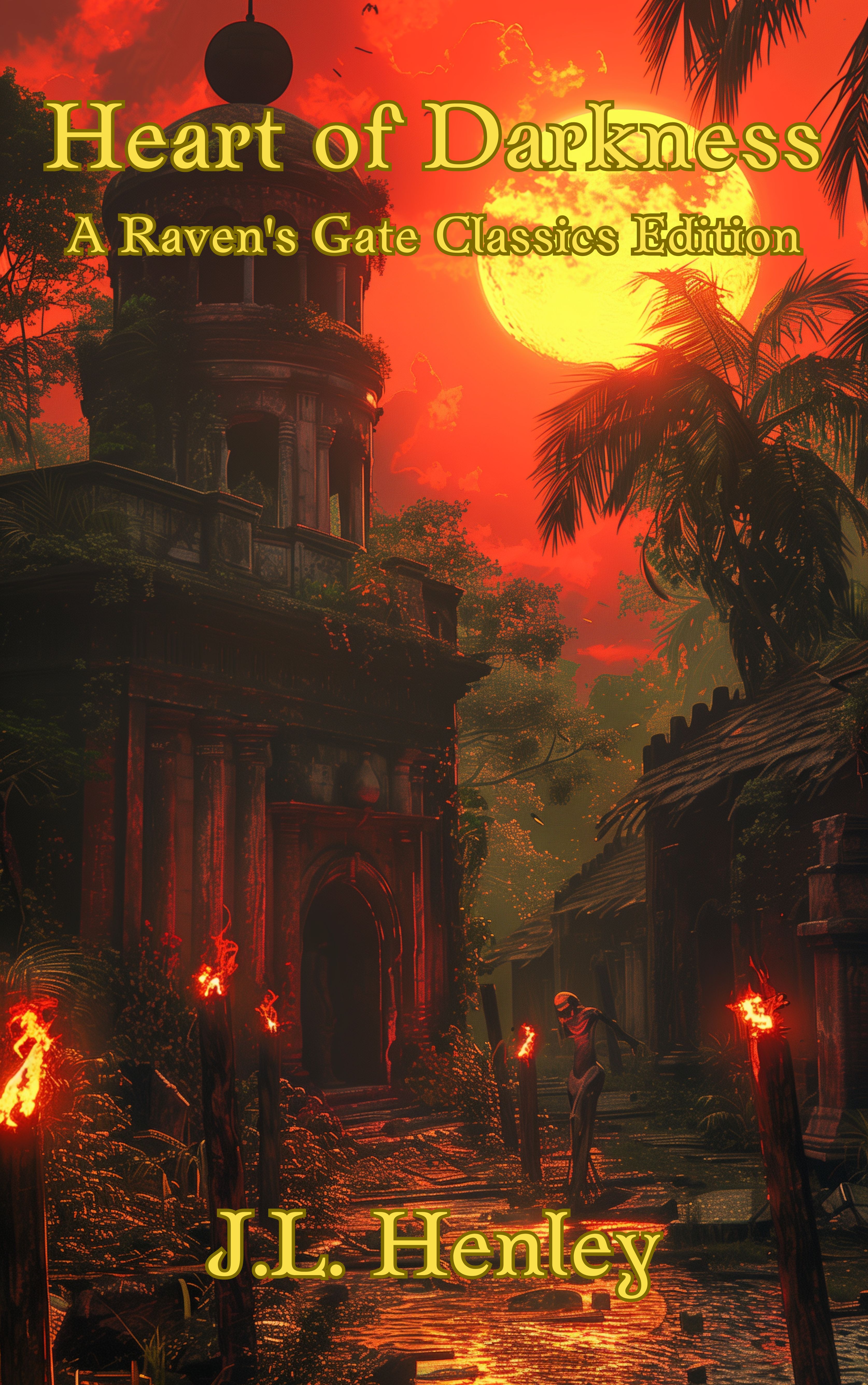
Heart of Darkness
Joseph Conrad
Joseph Conrad's 1899 novella is a descent into the darkest corners of colonialism and the human soul. Marlow, a steamboat captain, journeys up the Congo River to find Kurtz, a legendary ivory trader who has 'gone native' and established himself as a god among the local people. What Marlow discovers is a man who has shed all civilized restraints and embraced the horror at the heart of European imperialism. Conrad's dense, atmospheric prose creates a nightmare journey that inspired Apocalypse Now and continues to provoke debates about race, colonialism, and human nature. A Raven's Gate Classics edition with striking new cover art.
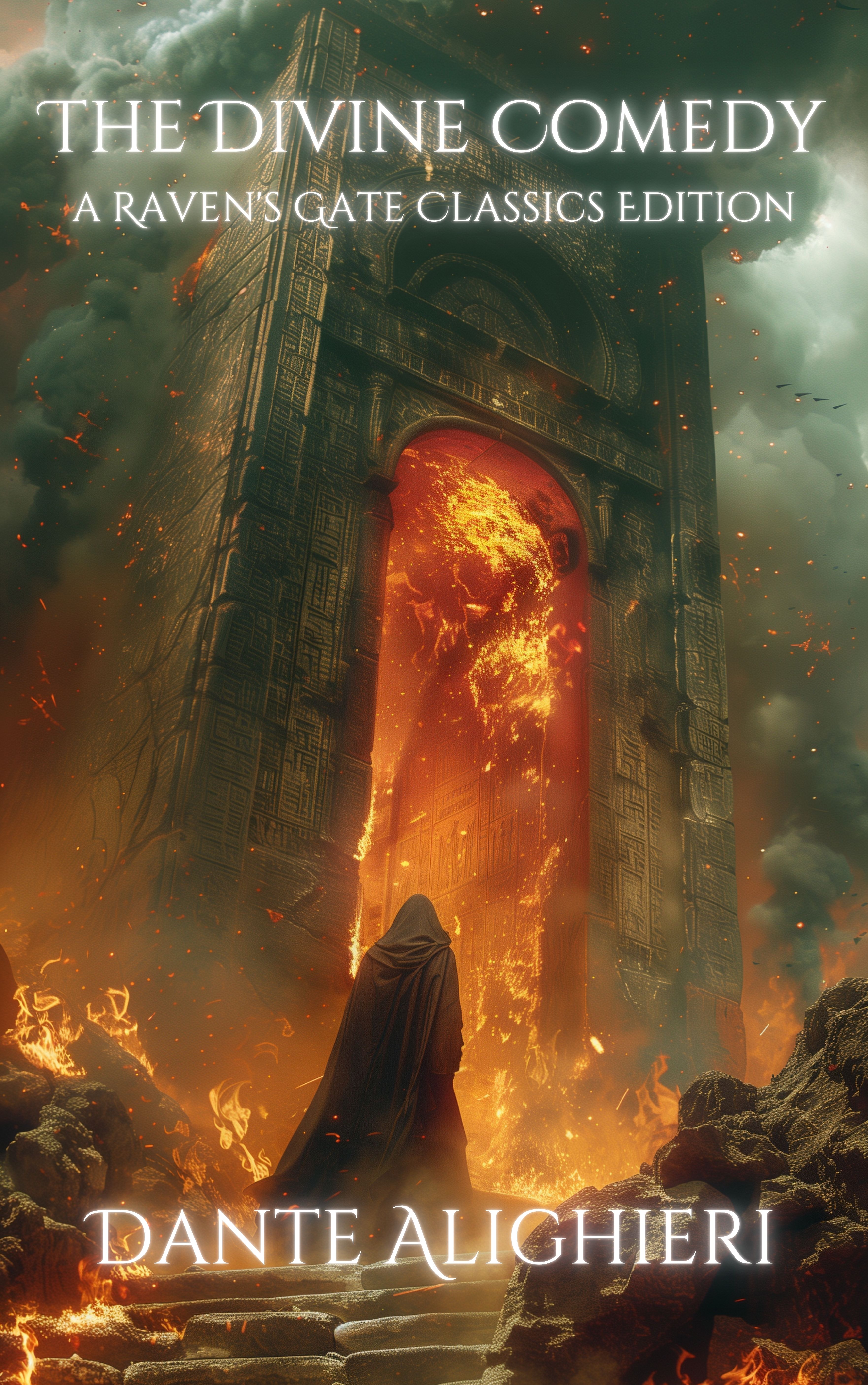
The Divine Comedy
Dante Alighieri
Dante Alighieri's 14th-century epic is the greatest poem ever written—a journey through Hell, Purgatory, and Paradise that defined how Western civilization imagines the afterlife. Lost in a dark wood, Dante is guided by the poet Virgil through the nine circles of Hell, where sinners suffer punishments that mirror their sins. He climbs Mount Purgatory where souls are cleansed, and finally ascends through the celestial spheres to behold the face of God. Along the way, Dante encounters popes and emperors, lovers and traitors, friends and enemies—creating a portrait of medieval Italy that is also a timeless meditation on sin, redemption, and divine love. A Raven's Gate Classics edition.
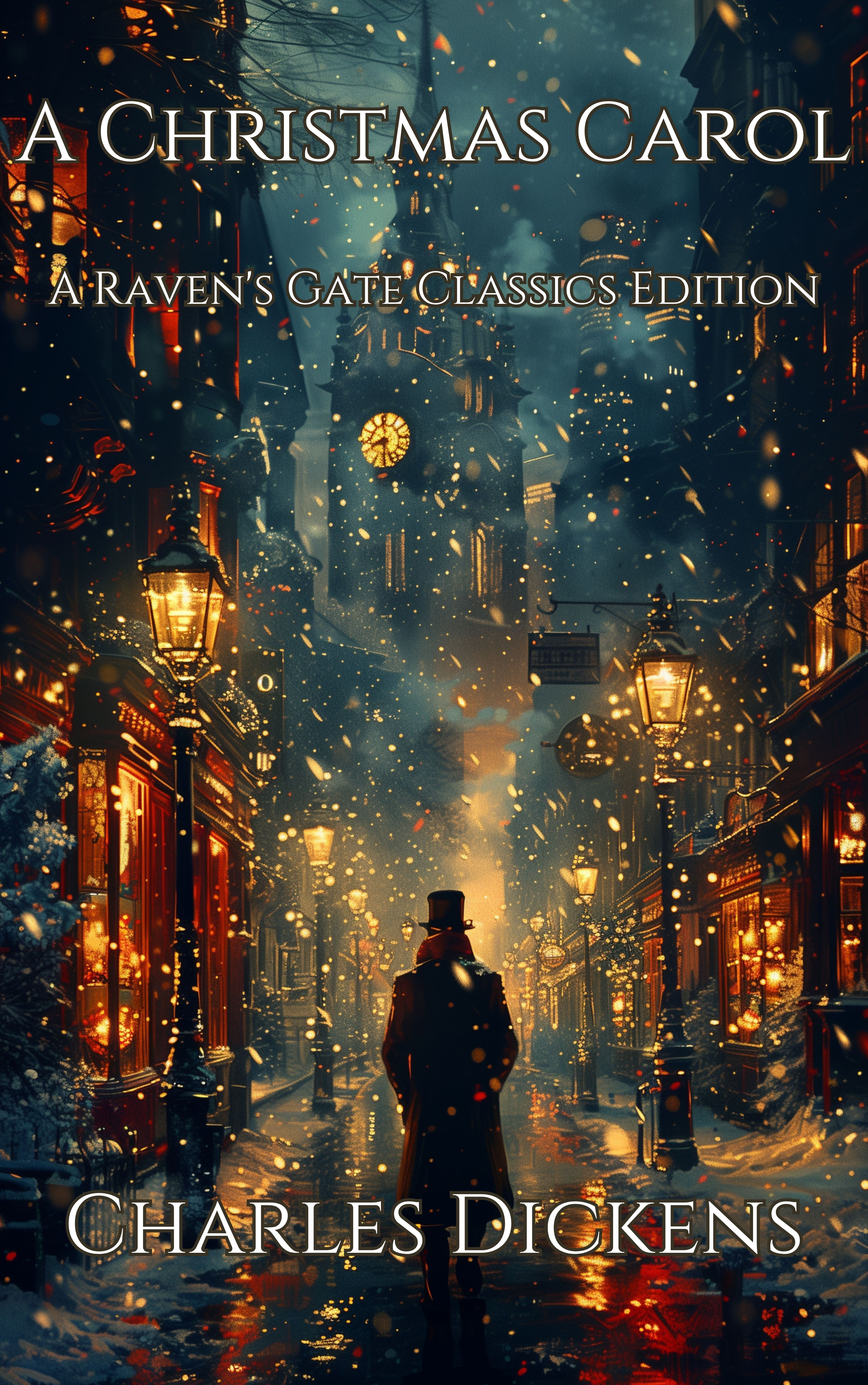
A Christmas Carol
Charles Dickens
The ghost story that invented Christmas as we know it. Charles Dickens's 1843 novella transformed a minor religious holiday into the season of generosity, family, and redemption that we celebrate today. Ebenezer Scrooge is a miser who despises Christmas and all it represents—until three spirits take him on a journey through his past, present, and future that will change him forever. In prose that moves from comic to terrifying to heartbreaking, Dickens created characters that have become immortal: the Ghosts of Christmas Past, Present, and Yet to Come; Tiny Tim; and Scrooge himself, whose transformation remains the ultimate story of redemption. A Raven's Gate Classics edition with magical new cover art.
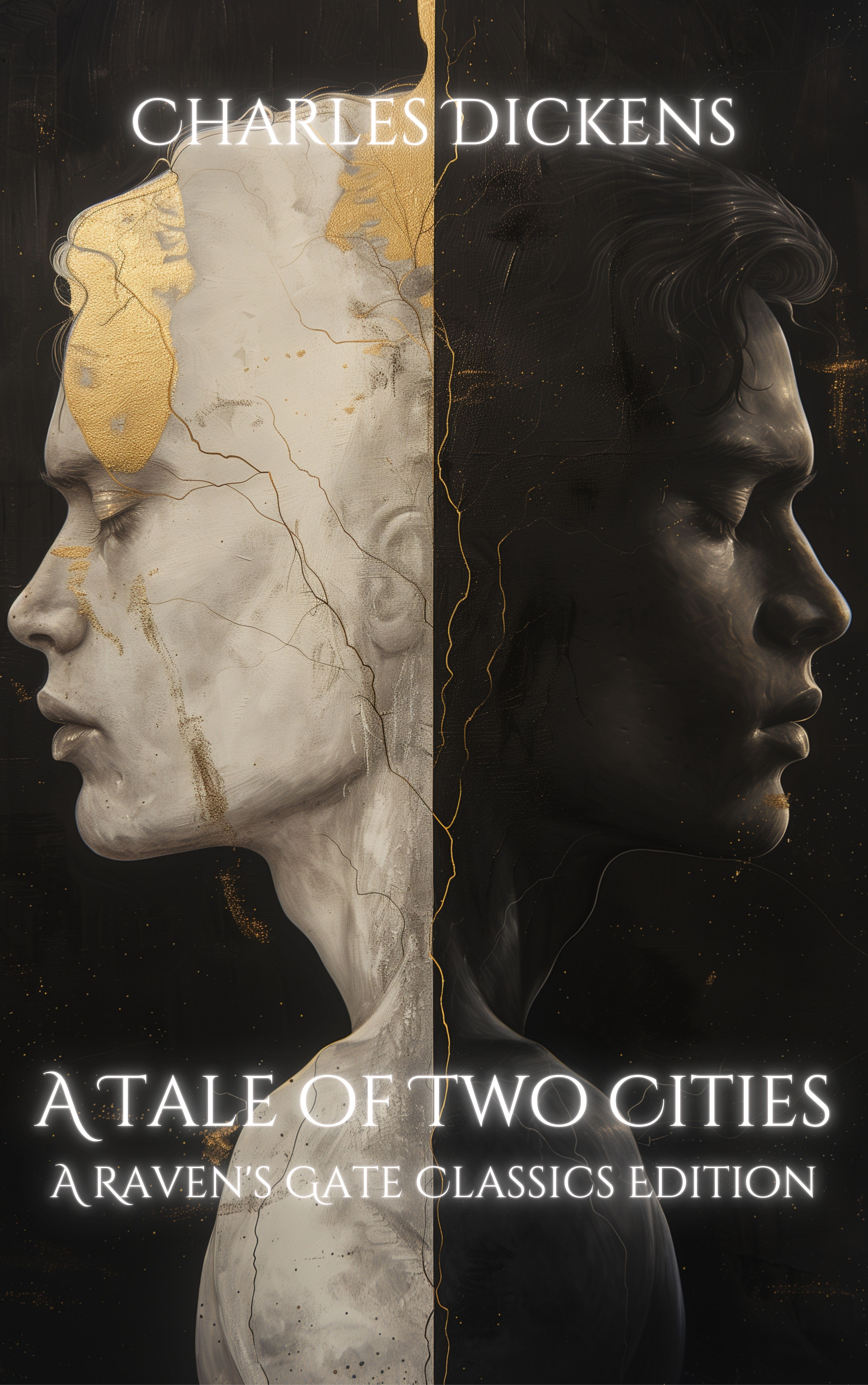
A Tale of Two Cities
Charles Dickens
Charles Dickens's historical masterpiece opens with the immortal line, 'It was the best of times, it was the worst of times.' Set in London and Paris before and during the French Revolution, the novel follows Charles Darnay, a French aristocrat who renounces his heritage, and Sydney Carton, a dissolute English lawyer who finds redemption through love and sacrifice. As the Reign of Terror engulfs Paris and the guillotine claims its victims, the lives of these two men—linked by their love for the same woman—converge toward one of the most moving climaxes in all of literature. A sweeping tale of love, resurrection, and sacrifice. A Raven's Gate Classics edition with striking new cover art.
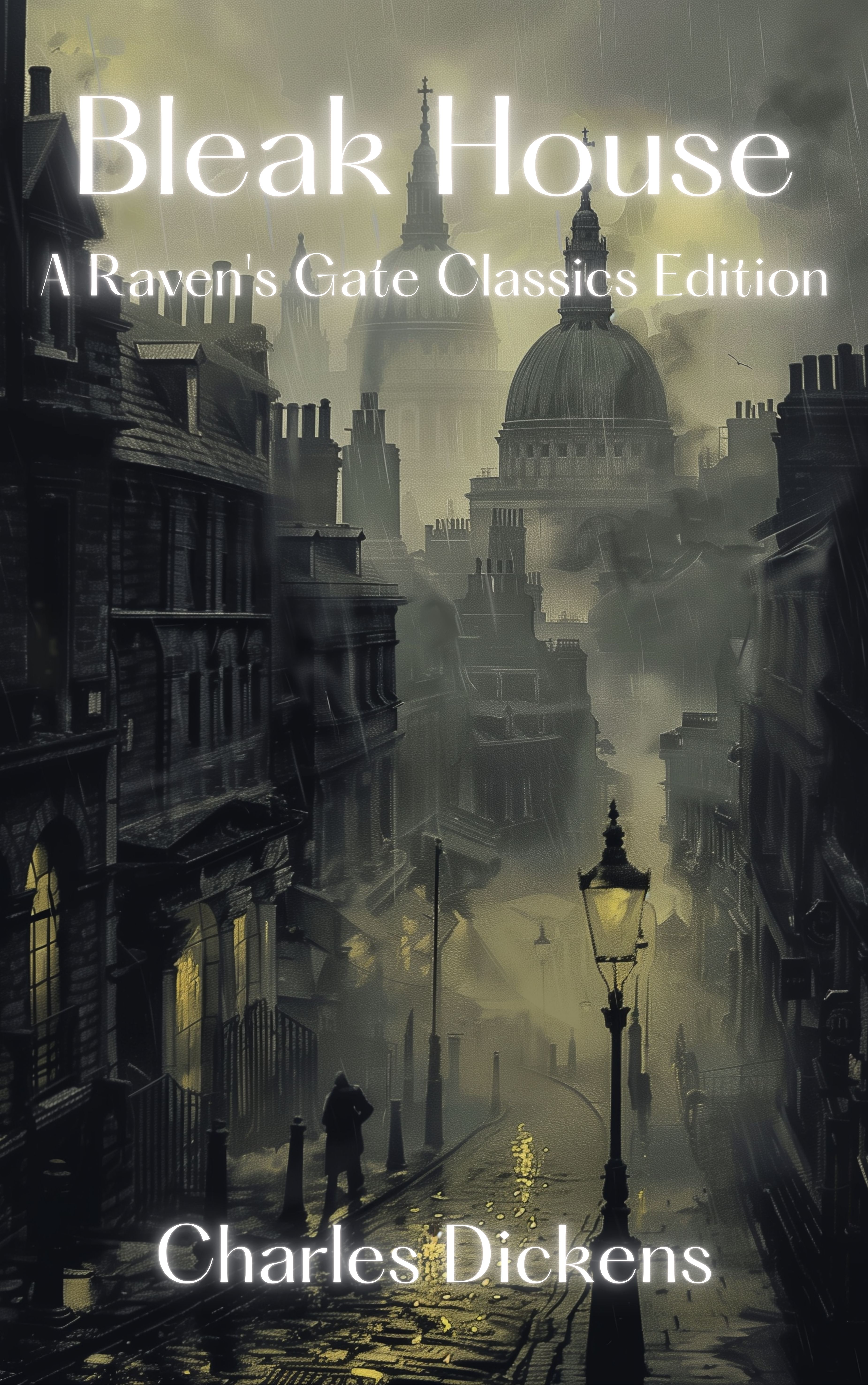
Bleak House
Charles Dickens
Often regarded as Charles Dickens's finest novel, Bleak House revolves around the interminable lawsuit of Jarndyce and Jarndyce, a case so tangled in the fog of the Court of Chancery that it has consumed fortunes and lives across generations. Through a remarkable cast—the kindly John Jarndyce, the mysterious Lady Dedlock, the relentless detective Inspector Bucket, and the gentle narrator Esther Summerson—Dickens weaves a sprawling tapestry of secrets, scandal, and social criticism. A searing satire of legal corruption and a gripping mystery of hidden parentage, Bleak House remains one of the towering achievements of Victorian fiction. A Raven's Gate Classics edition with atmospheric new cover art.
David Copperfield
Charles Dickens
Charles Dickens's most personal and beloved novel traces the life of David Copperfield from a troubled childhood to maturity, through poverty, cruelty, friendship, and love. Orphaned and sent to labor in a London factory, David endures the tyranny of his stepfather, the schemes of the unctuous Uriah Heep, and the heartbreak of misplaced affection—but he also finds unforgettable companions in the eternally optimistic Mr. Micawber and the fiercely loving Betsey Trotwood. Dickens called it his 'favourite child,' and its blend of comedy, pathos, and vivid characters has made it a cornerstone of English literature. A Raven's Gate Classics edition with evocative new cover art.
Great Expectations
Charles Dickens
Charles Dickens's beloved coming-of-age masterpiece follows the orphan Pip, raised by his harsh sister and her gentle blacksmith husband in the bleak marshes of Kent. When a terrifying encounter with an escaped convict and a summons to the decaying mansion of the eccentric Miss Havisham set his life on an unexpected course, Pip is suddenly endowed with 'great expectations' by a mysterious benefactor and thrust into the world of London gentility. As he chases wealth, status, and the cold, beautiful Estella, Pip must learn what truly makes a gentleman—and discover the surprising source of his fortune. A rich, haunting tale of ambition, love, guilt, and redemption. A Raven's Gate Classics edition with atmospheric new cover art.
Oliver Twist
Charles Dickens
You know the scene. The workhouse. The bowl. "Please, sir, I want some more." It is the most famous moment in Dickens and one of the most misremembered. People recall a sentimental story about a plucky orphan. The novel Dickens wrote is something else entirely. Oliver Twist is a book about child trafficking, criminal exploitation, and murder. A boy is born into a system designed to starve him, sold to an undertaker, beaten until he runs, and recruited by a criminal network that trains children to steal. A teenage girl trapped in a violent relationship tries to save him and is beaten to death for it. Dickens was twenty-five. He was not writing a fairy tale. He was writing an indictment. The workhouse scenes are satire so precise they read as journalism. The London underworld is rendered with a dark vitality that the respectable characters never match. Fagin, the Artful Dodger, Bill Sikes, and Nancy are among the most vivid creations in English fiction, and the murder of Nancy is one of the most harrowing scenes Dickens ever wrote. It haunted him for the rest of his life. When he performed it on stage decades later, audiences fainted. His doctors believed the performance was killing him. He refused to stop. This Raven's Gate Classics edition includes the complete, unaltered text of all fifty-three chapters. A biography of Charles Dickens covers the blacking warehouse that scarred him at twelve, the explosion from parliamentary reporter to the most famous writer in England, the two decades of relentless output and social activism, the collapse of his marriage, Ellen Ternan, the reading tours that destroyed his health, and the death at fifty-eight. Commentary covers the Poor Law and what Dickens was attacking, Fagin's kitchen and the problem of interesting villains, Nancy as the novel's moral centre, the problem of blood that undermines Oliver's story, Sikes' flight as proto-psychological thriller, and what endures despite the novel's flaws. Legacy runs from the 1948 David Lean film to the Best Picture-winning musical. Curated further reading is included. No summaries. No study questions. No academic gatekeeping. Just Dickens' angriest novel, with the context to understand who he was fighting and why.
The Mystery of Edwin Drood
Charles Dickens
Charles Dickens's final novel—and literature's greatest unsolved mystery. When Dickens died in 1870, he left Edwin Drood half-finished, and the identity of Edwin's murderer (if he was murdered at all) has been debated ever since. What remains is a dark, atmospheric tale of obsession, opium, and evil lurking beneath respectable Victorian society. John Jasper, the cathedral choirmaster, harbors a secret passion for his nephew Edwin's fiancée—and perhaps darker secrets still. The novel we have is Dickens at his most Gothic and psychologically complex. The novel we'll never have might have been his masterpiece. A Raven's Gate Classics edition.
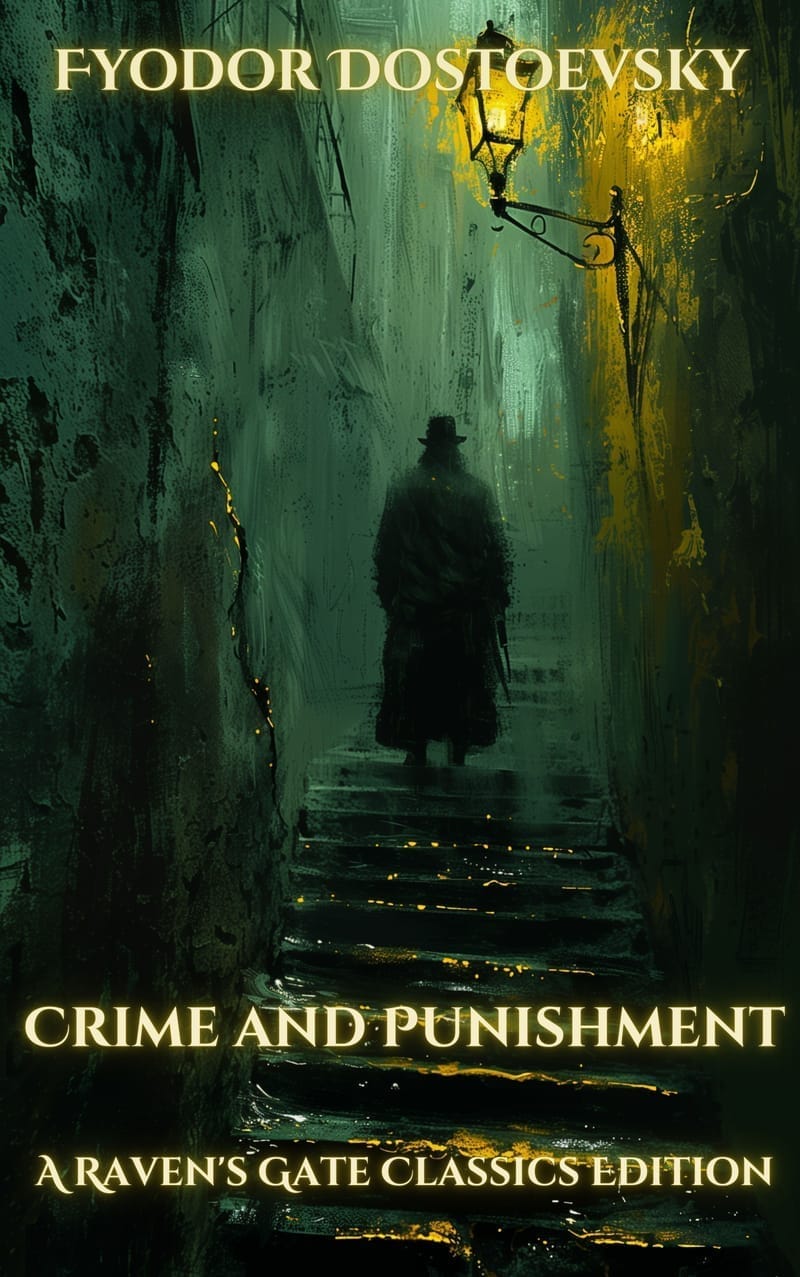
Crime and Punishment
Fyodor Dostoevsky
A student with an axe and a theory. The theory says some men are extraordinary, above the law, permitted to kill if the killing serves a higher purpose. The axe says he is about to test it. Crime and Punishment is the greatest psychological novel ever written. Dostoevsky does something no novelist had done before and few have managed since: he puts you inside the mind of a murderer and makes you understand. Not sympathize. Not forgive. Understand. Raskolnikov kills a pawnbroker in Part One. The remaining five parts are the disintegration of a man who thought he was Napoleon and discovered he was not. This is not a whodunit. You know who did it. You know why. What Dostoevsky is interested in is what happens to a mind that has crossed a line it cannot uncross. Raskolnikov sweats, hallucinates, confesses to strangers, picks fights he cannot win, and collapses into fever. The detective Porfiry doesn't need evidence. He has conversations. They are the most terrifying interrogation scenes in fiction because Porfiry never raises his voice and Raskolnikov cannot stop talking. And then there is Sonya. A woman forced into prostitution to feed her family, who reads the Gospel of Lazarus to a murderer and tells him he can come back from the dead. Dostoevsky believed she was right. Whether you do is the question the novel leaves with you. This Raven's Gate Classics edition includes the complete, unaltered text of all six parts and the epilogue in the Constance Garnett translation. A biography of Fyodor Dostoevsky covers the military engineering school, the early literary success, the arrest for involvement with the Petrashevsky Circle, the mock execution that broke something in him permanently, four years in a Siberian prison camp, the epilepsy, the compulsive gambling that devoured his advances, the writing of Crime and Punishment under crushing deadline pressure while simultaneously serializing The Gambler, and the late masterworks. Commentary covers Raskolnikov's theory of the extraordinary man and where Dostoevsky found it, Porfiry as the detective who solves a crime through psychology rather than evidence, Sonya and the novel's argument about redemption, the St. Petersburg that Dostoevsky mapped with obsessive precision, and why this novel invented the psychological thriller. Curated further reading is included. No summaries. No study questions. No academic gatekeeping. Just the novel that invented the psychological thriller, in the translation that brought Dostoevsky to the English-speaking world, with the context to understand the man who wrote it coming off a mock execution and a Siberian prison.
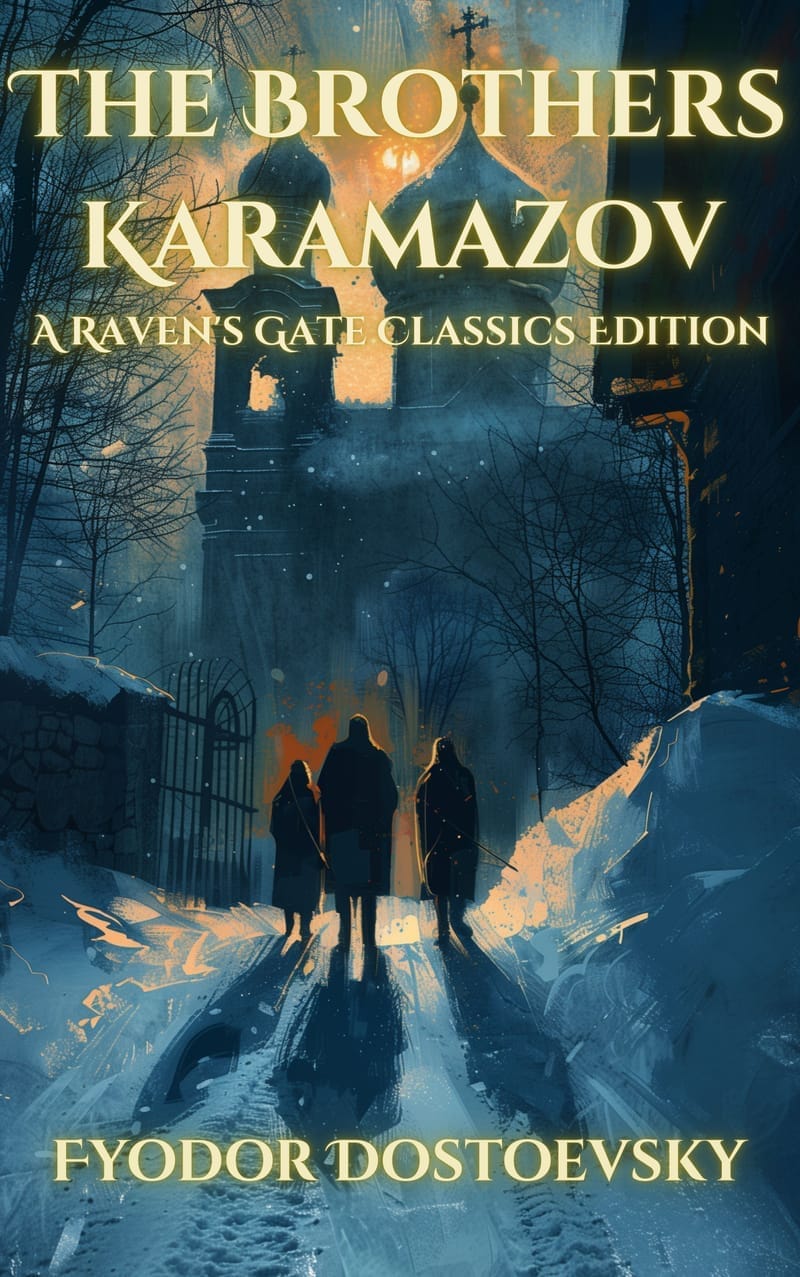
The Brothers Karamazov
Fyodor Dostoevsky
A father is murdered. Three sons are suspects. One wanted him dead and said so in public. One built the philosophical case that murder is permissible. One was busy having a spiritual crisis and looked the other way. The man who actually killed him is a fourth son nobody acknowledges, raised as a servant in the dead man's kitchen. The Brothers Karamazov is the most ambitious novel ever written. Dostoevsky finished it two months before he died, and he spent his entire career getting ready for it. Everything he had been arguing with himself about for thirty years lands here: whether God exists, whether morality survives without him, whether a father who fails every obligation of fatherhood can still be murdered without justification. Three brothers, three answers, and none of them wins. Dmitri is the body. He loves and rages with equal force, quotes Schiller while pounding the table, and is convicted of a murder he did not commit. Ivan is the intellect. He constructs the most devastating argument against God's justice in all of literature, and it breaks him. Alyosha is the spirit. He listens. He loves. He holds the hands of people who are suffering. Whether that is enough is the question the novel refuses to resolve. And then there is The Grand Inquisitor. Christ returns to Seville during the Inquisition. The cardinal arrests him. In a prison cell, the old man explains that humanity never wanted the freedom Christ offered. They wanted bread, miracle and authority. Christ listens in silence, then kisses him on his bloodless lips. It is the most famous chapter in Russian literature, and possibly in any literature. It has not lost a gram of force in a hundred and forty years. This Raven's Gate Classics edition includes the complete, unaltered text of all four parts, twelve books and ninety-six chapters in the Constance Garnett translation, with an introduction that sets up the novel's architecture without spoiling its power. A full biography of Dostoevsky covers the mock execution, the Siberian prison camp, the epilepsy, the gambling addiction, the wife who saved him, the four great novels produced in fourteen years, and the funeral procession that stretched a mile through St. Petersburg. Commentary covers the three brothers as psychological and theological constructs, the Grand Inquisitor as prophecy and philosophy, Smerdyakov as the logical conclusion of Ivan's ideas, the trial as Dostoevsky's indictment of institutional justice, and the children's ending that answers the novel's great argument with an image instead of a proof. An essay on legacy and influence runs from Freud to Kafka to Camus to every courtroom drama that followed. Annotated further reading is included. No study guides. No chapter summaries. No academic apparatus. The novel that contains all other novels, with the context to understand the man who wrote it while his lungs were failing and his country was tearing itself apart.
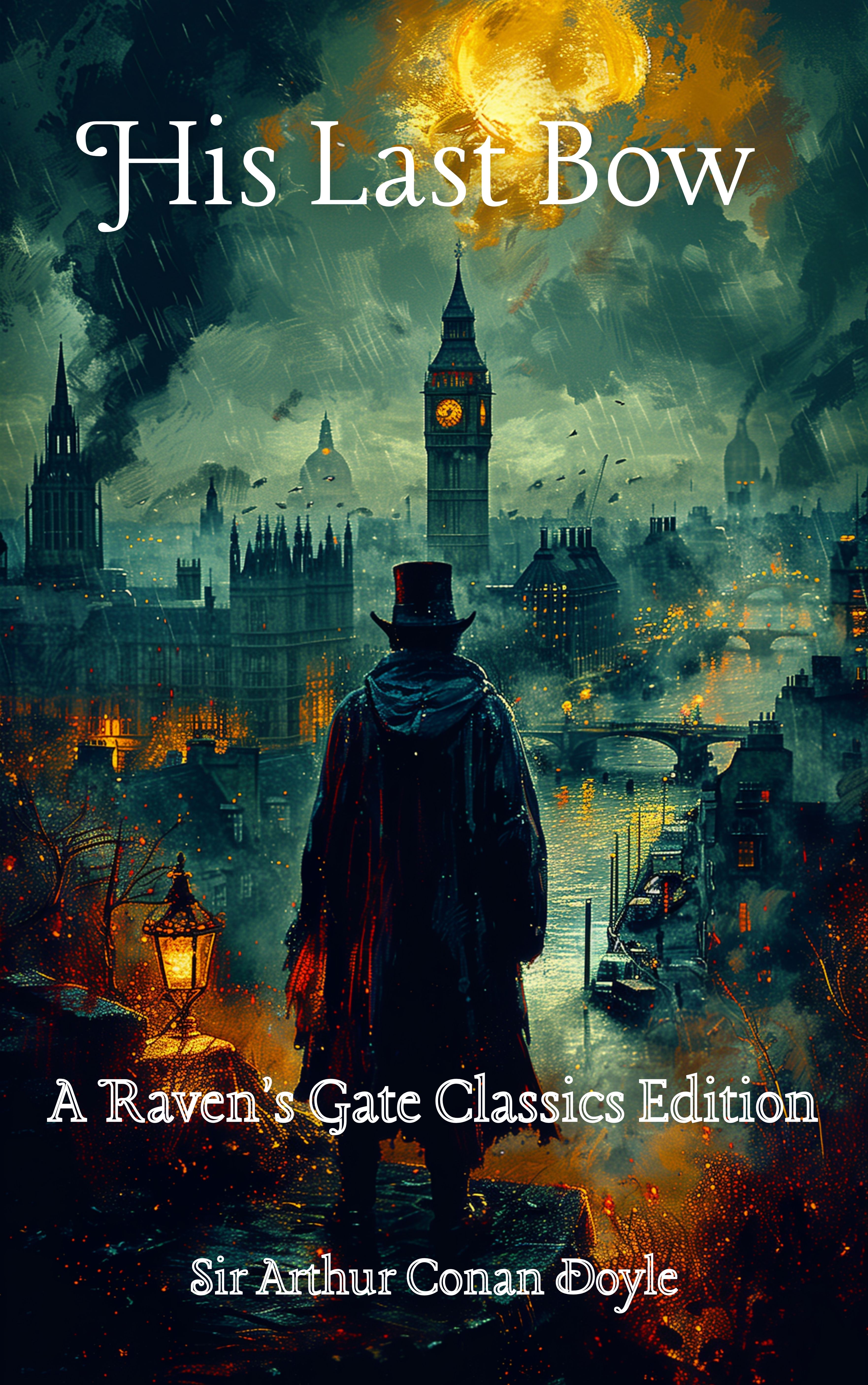
His Last Bow
Arthur Conan Doyle
Sir Arthur Conan Doyle's penultimate Sherlock Holmes collection brings the great detective into the twentieth century with eight tales spanning from 1892 to 1914. From the chilling 'The Adventure of the Devil's Foot' to the patriotic title story set on the eve of World War I, these cases showcase Holmes at his most mature and reflective. The collection includes some of the most atmospheric mysteries in the canon, featuring murder by exotic poison, stolen submarine plans, and the detective's final bow as he emerges from retirement to serve king and country. A Raven's Gate Classics edition with stunning new cover art.
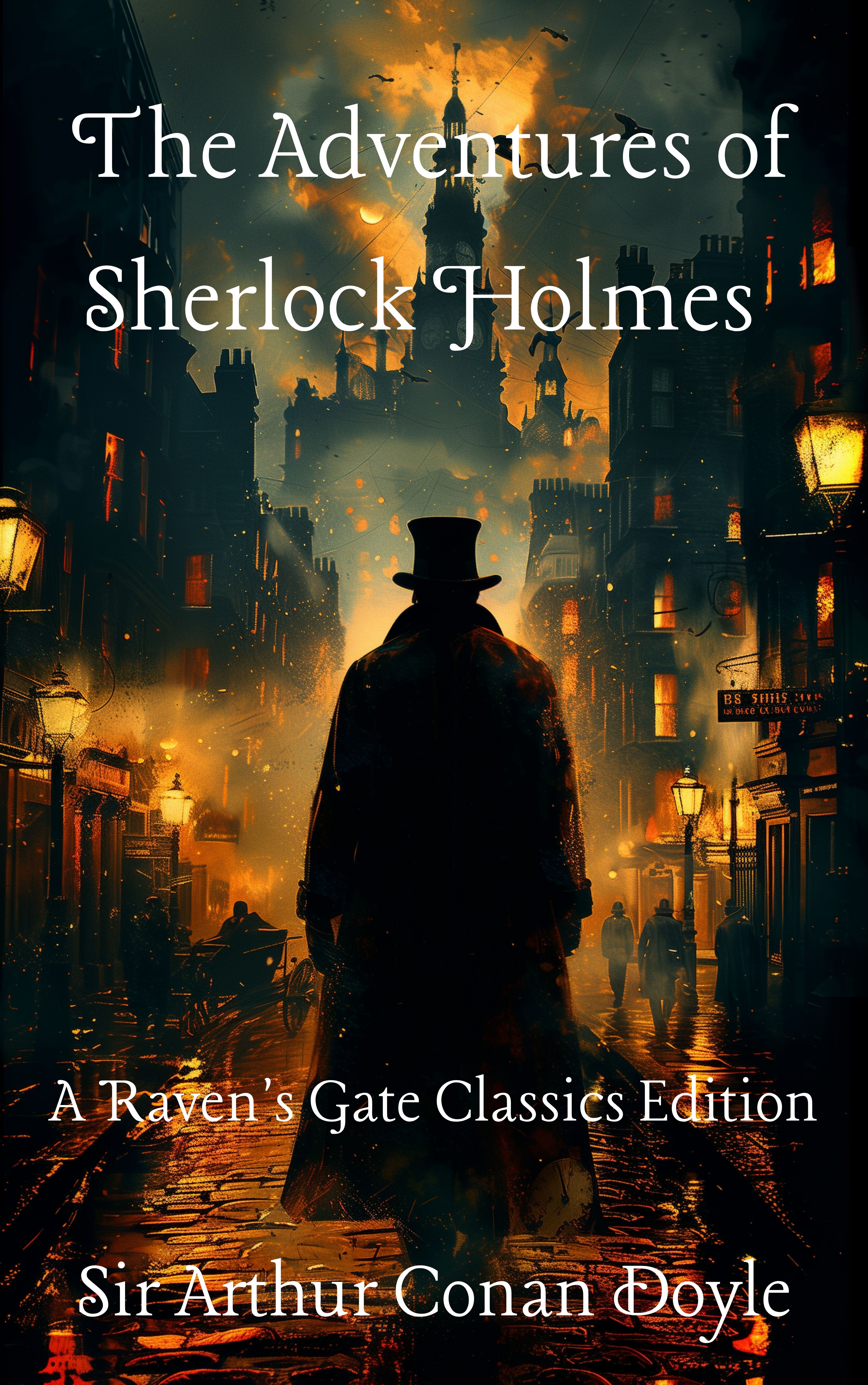
The Adventures of Sherlock Holmes
Arthur Conan Doyle
The collection that made Sherlock Holmes a legend. Sir Arthur Conan Doyle's first anthology of short stories introduced readers to twelve of the most celebrated mysteries in detective fiction. From 'A Scandal in Bohemia' and the unforgettable Irene Adler to the twisted 'The Speckled Band' and the cryptic 'The Red-Headed League,' these tales established the template for detective fiction that writers still follow today. Meet Holmes and Watson in their Baker Street prime, solving cases that range from royal blackmail to supernatural terror. A Raven's Gate Classics edition featuring dramatic new cover art.
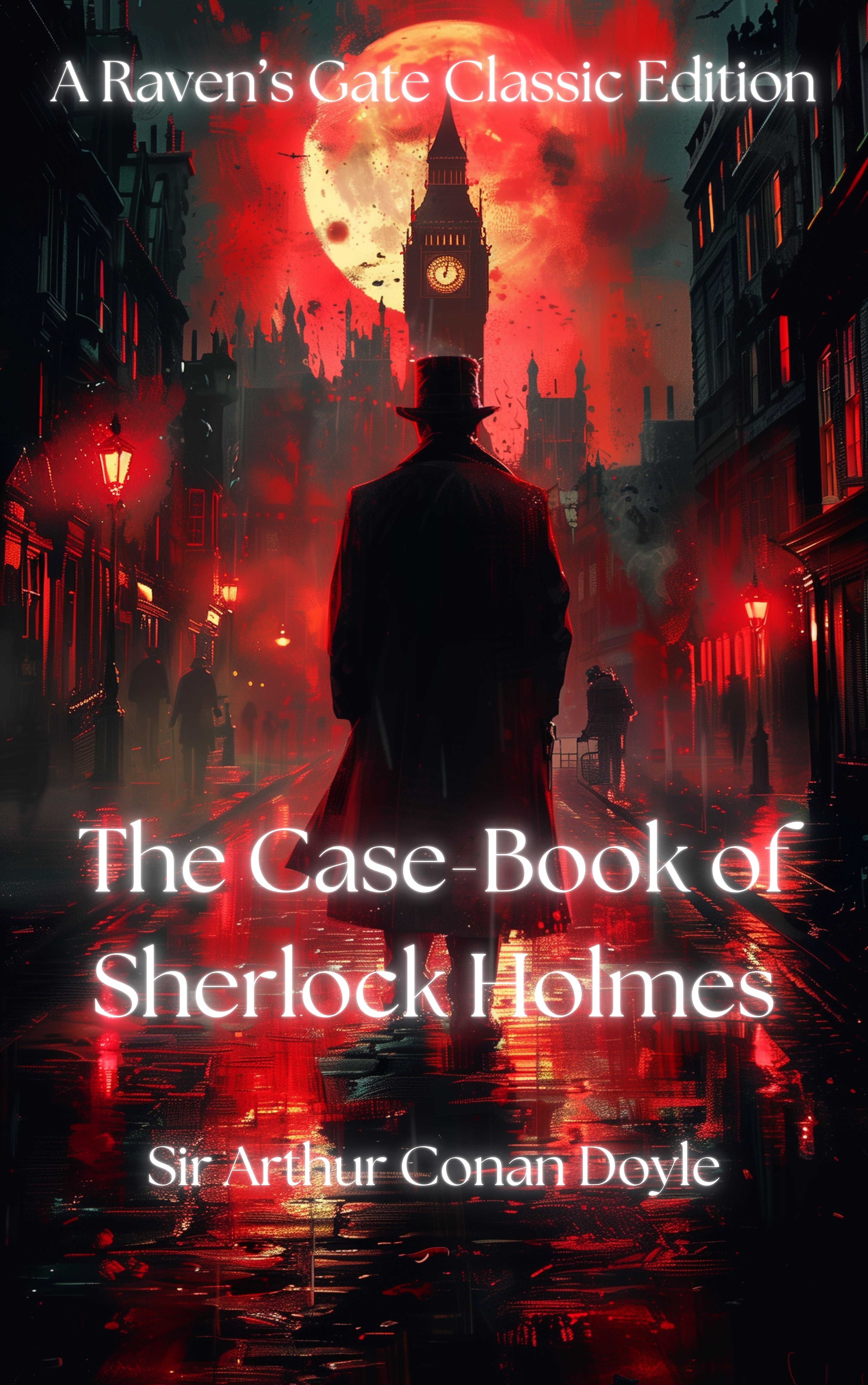
The Case-Book of Sherlock Holmes
Arthur Conan Doyle
The final collection of Sherlock Holmes short stories—Sir Arthur Conan Doyle's last word on the world's greatest detective. These twelve tales, published between 1921 and 1927, show Holmes in his later years, tackling cases that range from vampire legends to murderous jealousy. The collection includes some of the darkest entries in the canon: 'The Adventure of the Sussex Vampire,' 'The Adventure of the Illustrious Client,' and the chilling 'The Adventure of the Creeping Man.' Holmes himself narrates two stories, offering rare glimpses into the detective's own perspective. A Raven's Gate Classics edition with dramatic new cover art marking the end of an era.
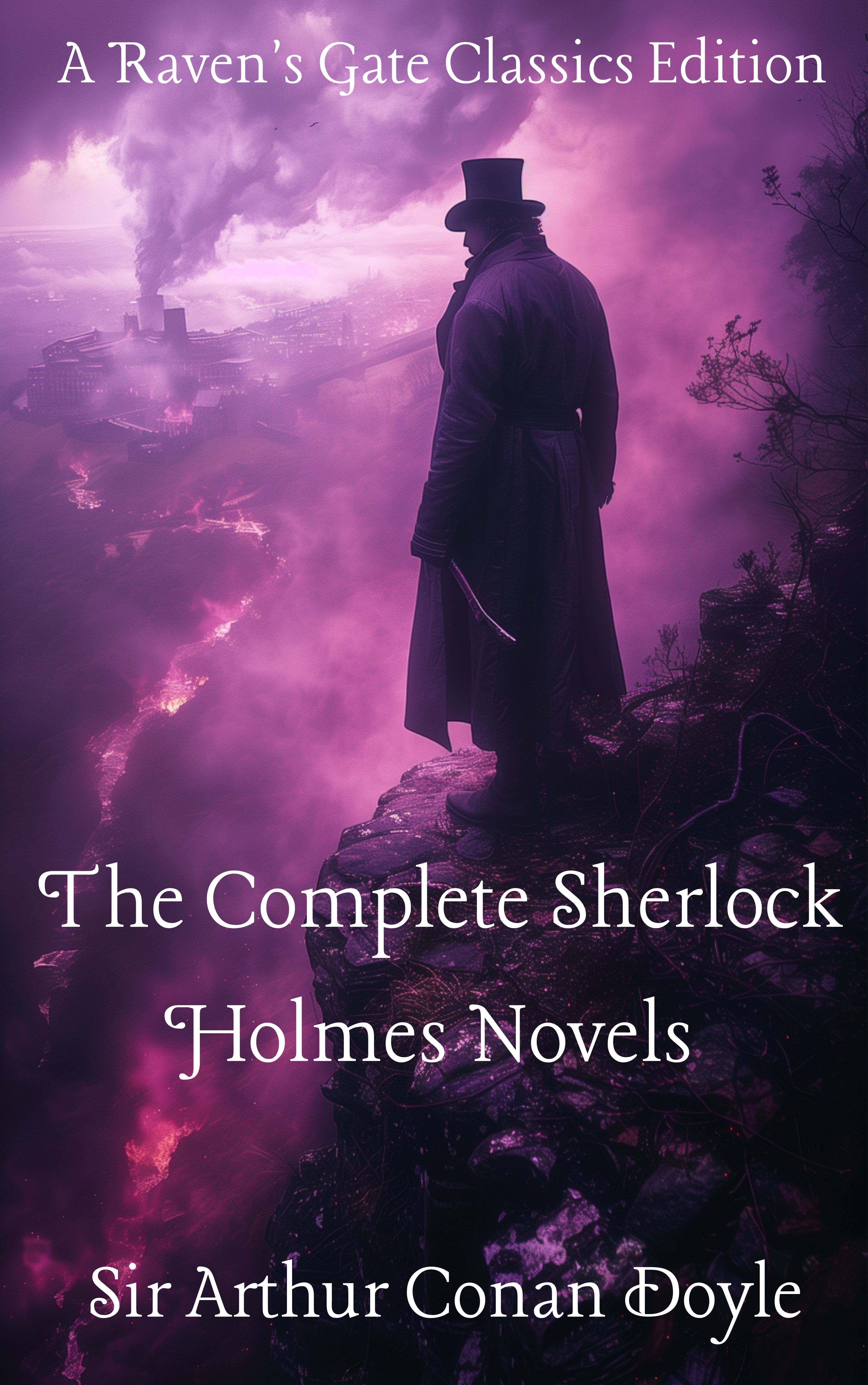
The Complete Sherlock Holmes Novels
Arthur Conan Doyle
All four Sherlock Holmes novels in one definitive volume. Sir Arthur Conan Doyle's longer works showcase the great detective at his most complex, tackling cases that span continents and decades. From 'A Study in Scarlet'—the first meeting of Holmes and Watson—through 'The Sign of Four,' 'The Hound of the Baskervilles,' and 'The Valley of Fear,' these novels reveal the depth of Holmes's genius and the darkness he confronts. Including tales of Mormon vengeance, cursed aristocrats, secret societies, and spectral hounds, this collection proves why Sherlock Holmes remains the world's greatest detective. A Raven's Gate Classics edition.

The Lost World
Arthur Conan Doyle
Before Jurassic Park, there was The Lost World. Sir Arthur Conan Doyle's 1912 adventure novel introduced Professor George Edward Challenger, a brilliant and irascible scientist who claims to have discovered a plateau in South America where dinosaurs and other prehistoric creatures still survive. When a journalist and expedition team venture into the Amazon to verify his claims, they find a world beyond imagination—and dangers beyond survival. The novel that created the 'lost world' genre and inspired a century of dinosaur fiction, from King Kong to Crichton. A Raven's Gate Classics edition with breathtaking new cover art.
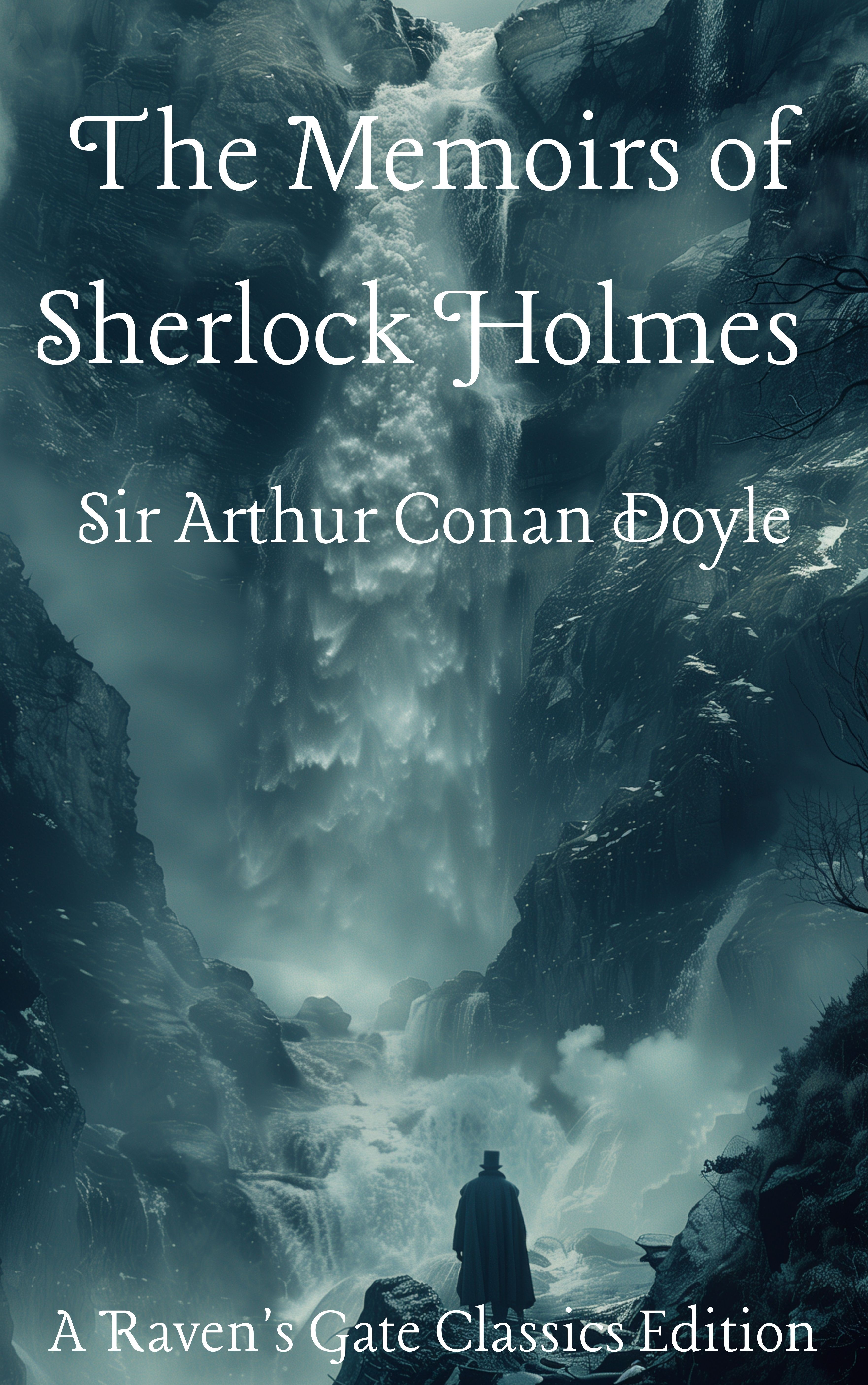
The Memoirs of Sherlock Holmes
Arthur Conan Doyle
The second collection of Sherlock Holmes short stories—and the one that shocked the world when Sir Arthur Conan Doyle killed his creation at Reichenbach Falls. These eleven tales showcase Holmes at the height of his powers, from the naval treaty crisis to the chilling 'The Adventure of the Cardboard Box.' The collection culminates in 'The Final Problem,' where Holmes faces his nemesis Professor Moriarty in a confrontation that would leave readers mourning for a decade. A Raven's Gate Classics edition featuring dramatic new cover art that captures the darkness of Holmes's most dangerous cases.
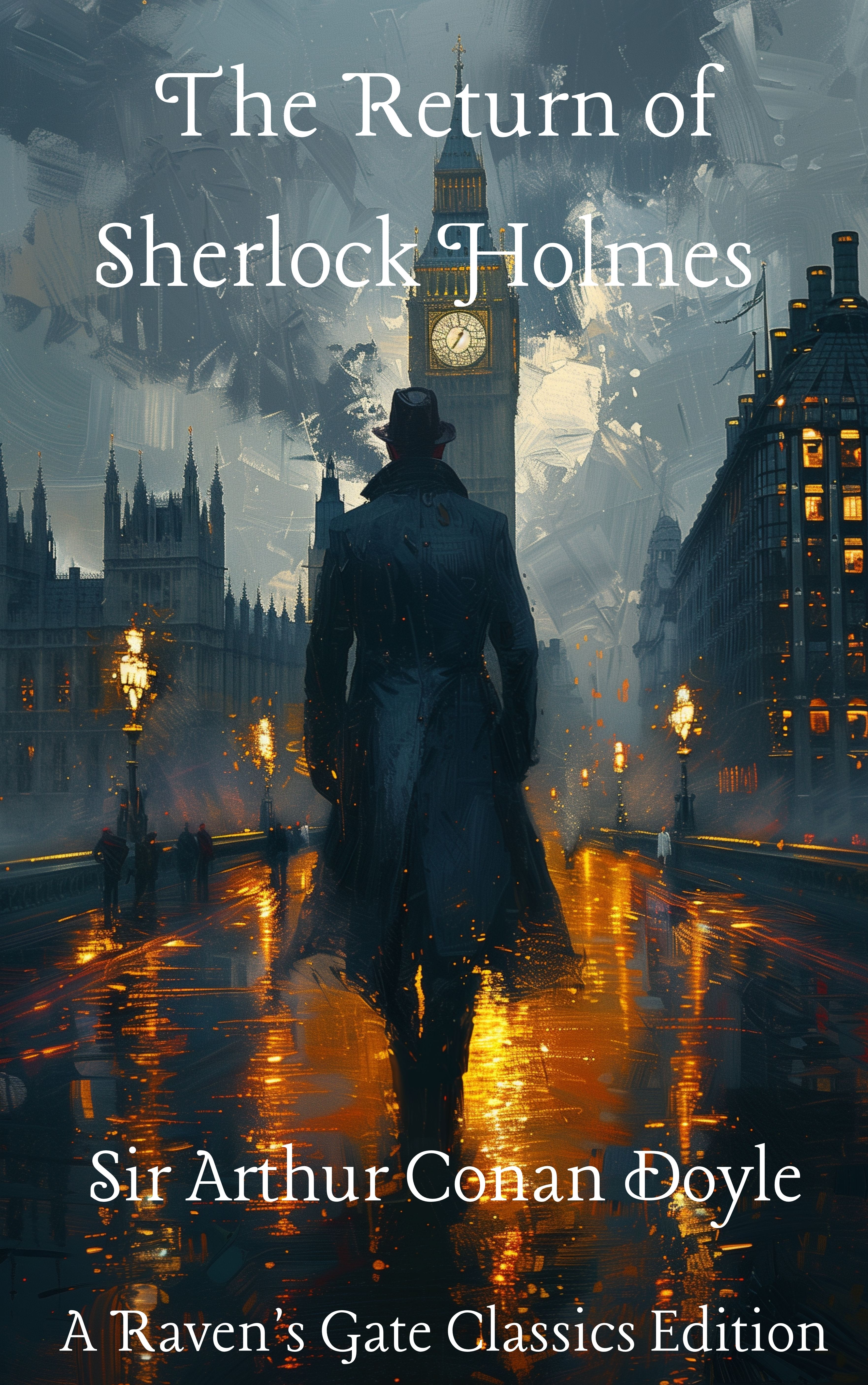
The Return of Sherlock Holmes
Arthur Conan Doyle
He was dead. The world mourned. And then, ten years later, Sherlock Holmes walked back into Baker Street. Sir Arthur Conan Doyle's third short story collection opens with 'The Adventure of the Empty House,' explaining Holmes's miraculous survival and return—and delivers thirteen more cases that proved the great detective had lost none of his brilliance. From the dancing men cipher to the six Napoleon busts, from blackmail to murder, Holmes and Watson resume their partnership as if they'd never been apart. A Raven's Gate Classics edition with stunning new cover art celebrating the detective's triumphant return.
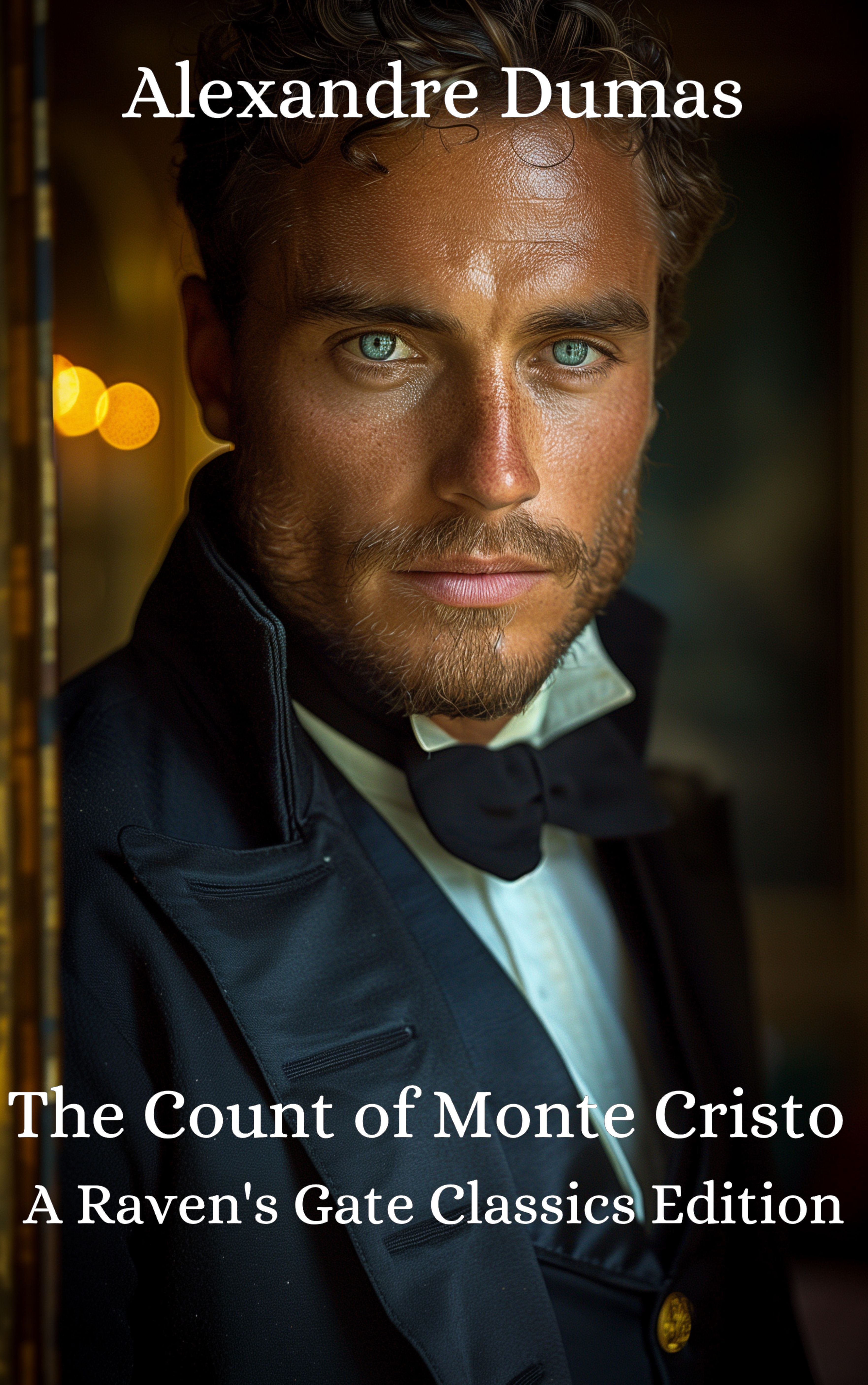
The Count of Monte Cristo
Alexandre Dumas
Alexandre Dumas's sweeping tale of betrayal and revenge is one of the most thrilling adventure novels ever written. Edmond Dantès, a young sailor on the verge of marriage and a promising career, is falsely accused of treason by jealous rivals and imprisoned in the grim island fortress of Château d'If. After years of suffering, he escapes, discovers a hidden fortune, and reinvents himself as the mysterious and fabulously wealthy Count of Monte Cristo—returning to French society to exact a meticulous, devastating revenge on those who destroyed his life. A masterpiece of suspense, justice, and the corrosive power of vengeance. A Raven's Gate Classics edition with striking new cover art.
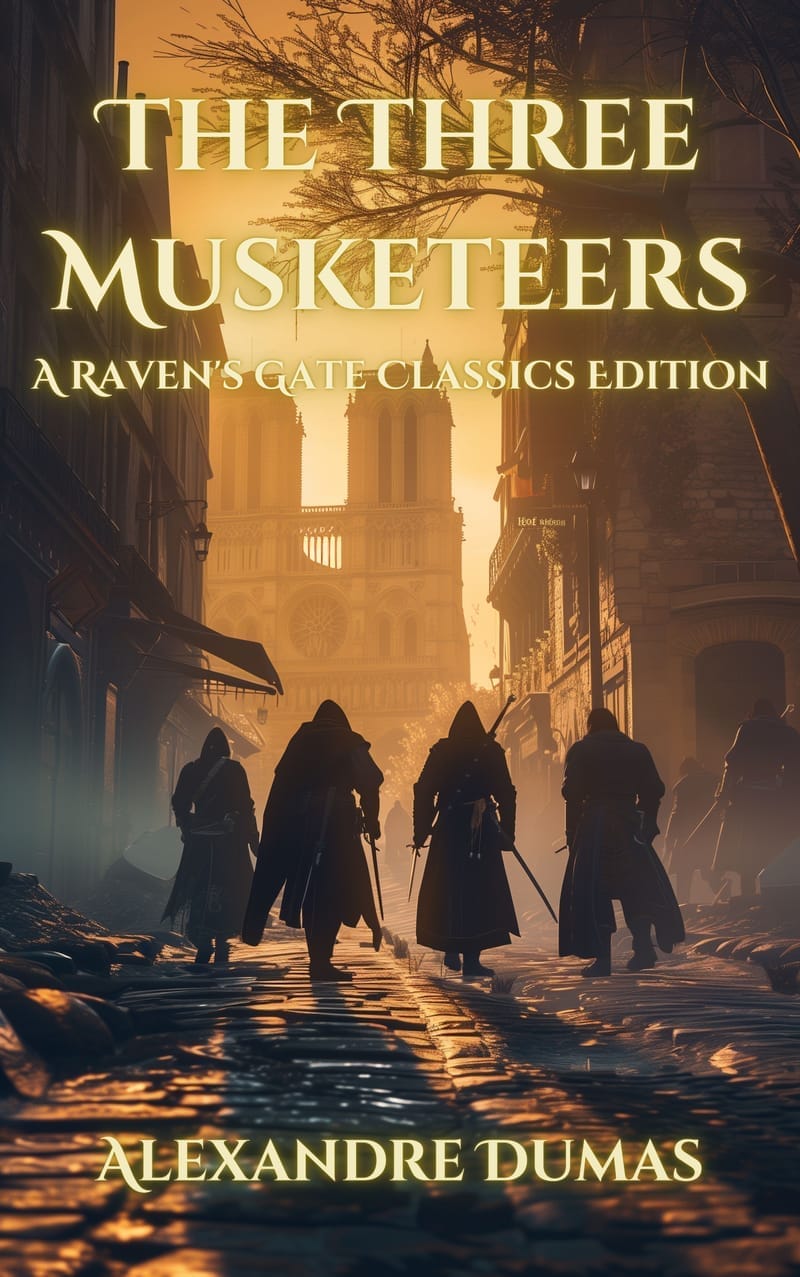
The Three Musketeers
Alexandre Dumas
A young Gascon rides into Paris on a yellow horse, with three letters of introduction, a family sword, and a recipe for healing balm. Within twenty-four hours he has challenged three of the King's Musketeers to duels, fought the Cardinal's Guards alongside them, and made friends with the three most dangerous men in France. That is the opening, and the pace never drops. Alexandre Dumas published The Three Musketeers in 1844 as a serial in Le Siecle, and it was an instant phenomenon. It is the adventure novel that all adventure novels since have been trying to equal. D'Artagnan is broke, brave, and smarter than everyone in the room. Athos drinks because he has been destroyed by a woman and will not say how. Porthos lies about everything, especially money. Aramis is going to join the priesthood any day now, as soon as he finishes his current love affair. Together they serve King Louis XIII against Cardinal Richelieu, recover diamond studs from the Duke of Buckingham before the Queen's indiscretion is discovered, and cross swords with Milady de Winter, one of the greatest villains in fiction. Milady is worth the price of admission alone. She is beautiful, lethal, branded as a criminal, and operating with the Cardinal's authority. She kills without hesitation and manipulates without remorse. She is also the most interesting person in the novel, and Dumas knows it. This Raven's Gate Classics edition includes the complete, unaltered text of all sixty-seven chapters plus the epilogue. A biography of Alexandre Dumas covers his father, General Thomas-Alexandre Dumas, the Haitian-born son of a French marquis and an enslaved woman who became one of Napoleon's finest generals; Alexandre's racial identity in nineteenth-century France; his theatrical career; the July Revolution; the feuilleton era that made serialized fiction a cultural force; his collaboration with Auguste Maquet and the question of joint authorship; the construction of the Chateau de Monte-Cristo; the financial recklessness; the Italian exile with Garibaldi; and the death during the Franco-Prussian War. Commentary covers D'Artagnan and the historical Charles de Batz, the real Richelieu and Dumas's version, Milady as villain and victim, the friendship as the novel's moral centre, the feuilleton structure and how serial publication shaped every cliffhanger, the actual Queen's diamonds affair and what Dumas invented, and why this novel has never been out of print for 180 years. Curated further reading is included. No summaries. No study questions. No academic gatekeeping. Just the greatest adventure novel ever written, with the context to understand the biracial son of a revolutionary general who turned seventeenth-century France into the most entertaining fiction of the nineteenth century.
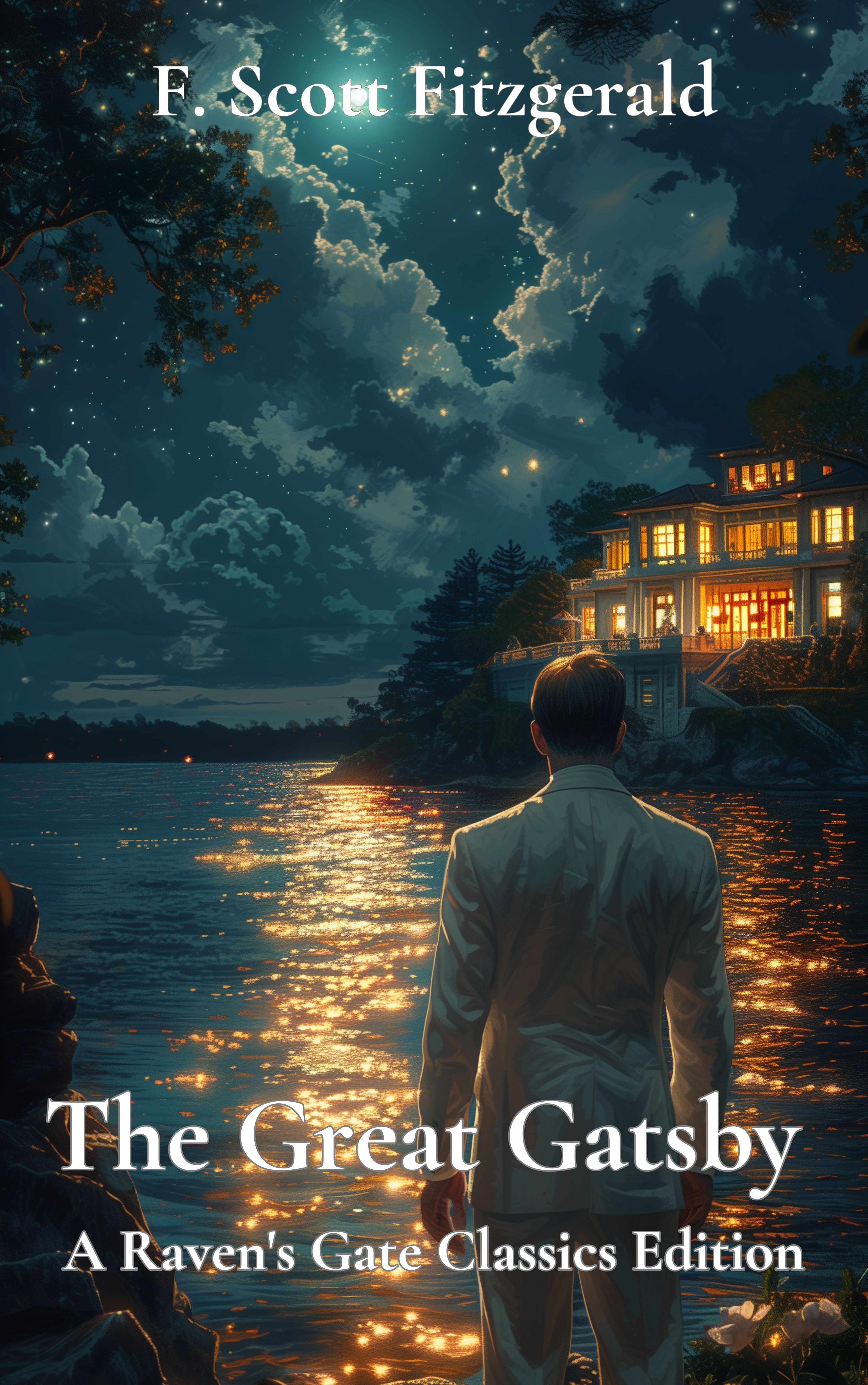
The Great Gatsby
F. Scott Fitzgerald
F. Scott Fitzgerald's 1925 masterpiece is the great American novel of the Jazz Age—a shimmering, devastating portrait of wealth, longing, and the corruption of the American Dream. Jay Gatsby has reinvented himself from a poor Midwestern boy into a fabulously wealthy man, all for one purpose: to win back Daisy Buchanan, the golden girl he loved and lost years ago. But the green light at the end of her dock represents more than romance—it's the promise of America itself, and its ultimate betrayal. Narrated by the outsider Nick Carraway, Gatsby's story unfolds with the terrible inevitability of tragedy. A Raven's Gate Classics edition with stunning new cover art.
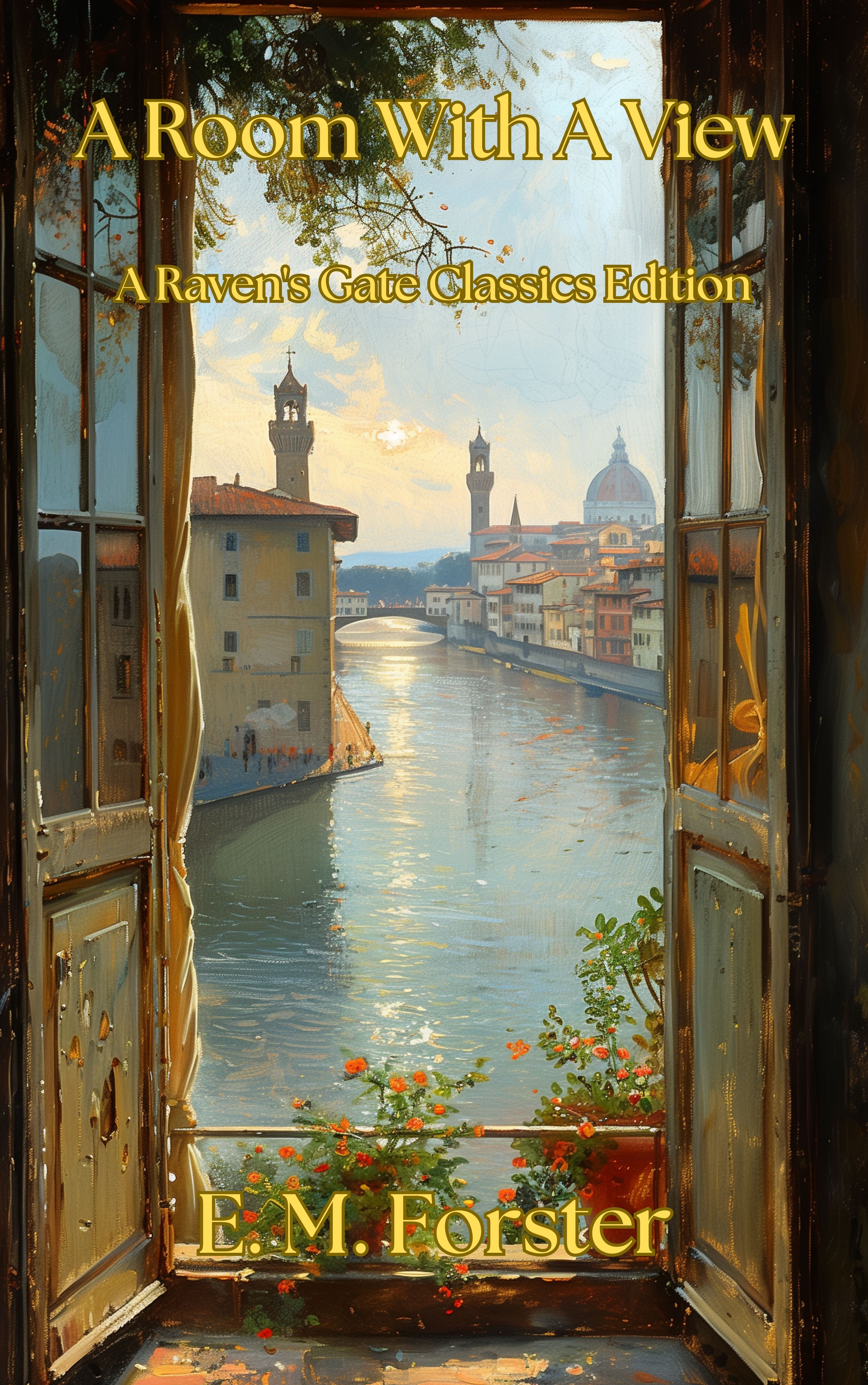
A Room With A View
E. M. Forster
E.M. Forster's 1908 romantic comedy is a sparkling critique of Edwardian propriety and a celebration of passion over convention. Lucy Honeychurch is a proper young Englishwoman on holiday in Florence when a series of encounters with the unconventional George Emerson awakens something in her that her stuffy fiancé Cecil could never reach. Torn between the expectations of her class and the stirrings of her heart, Lucy must choose between a life of comfortable mediocrity and the terrifying freedom of following her own desires. Witty, romantic, and surprisingly modern, A Room With A View remains one of the great love stories in English literature. A Raven's Gate Classics edition with luminous new cover art.
Faust
Johann Wolfgang von Goethe
Johann Wolfgang von Goethe's masterpiece is the definitive tale of the man who sold his soul to the devil. Weary of scholarship and despairing of life's meaning, the brilliant Dr. Faust strikes a bargain with Mephistopheles: the demon will serve him on earth in exchange for his soul in the hereafter. What follows is a sweeping drama of temptation, love, damnation, and redemption that ranges from the quiet tragedy of the innocent Gretchen to cosmic visions of heaven and hell. Goethe worked on this towering work for nearly sixty years, and it stands as one of the supreme achievements of world literature—a profound meditation on ambition, desire, and the eternal struggle for the human soul. A Raven's Gate Classics edition with striking new cover art.
The Wind in the Willows
Kenneth Grahame
Kenneth Grahame's 1908 masterpiece remains one of the most beloved works of children's literature ever written—and one of the most profound meditations on friendship, home, and the English countryside. Follow Mole, Rat, Badger, and the irrepressible Mr. Toad through adventures on the riverbank, from lazy summer days to the Battle of Toad Hall. Beneath the whimsy lies a deeply moving celebration of companionship, nature, and finding where you belong. A Raven's Gate Classics edition with enchanting new cover art that captures the magic of the riverbank.
Grimm's Fairy Tales
Jacob and Wilhelm Grimm
You know these stories. Cinderella. Snow White. Rapunzel. Hansel and Gretel. Rumpelstiltskin. You grew up with them in picture books and Disney films, softened and brightened until the darkness was invisible. The originals are not soft. In the Brothers Grimm version, Cinderella's stepsisters slice off their toes to fit the glass slipper. The wicked queen dances in red-hot iron shoes until she drops dead. The wolf does not survive. This Raven's Gate Classics edition presents sixty-two of the Grimms' tales complete and unaltered, in the classic English translations of Edgar Taylor and Marian Edwardes. From the famous to the overlooked masterpieces, this is the full range of the Grimms' imagination: funny, violent, strange, and relentlessly honest about human nature. The real fairy tales have teeth. This edition lets them bite.
The House of the Seven Gables
Nathaniel Hawthorne
Colonel Pyncheon wanted a house. Matthew Maule owned the land. Pyncheon accused Maule of witchcraft, watched him hang, and built on the cleared lot. From the scaffold, Maule cursed the family. Then Pyncheon died on the day of his housewarming, slumped in his chair with blood on his beard. That was seven generations ago. The house is still standing. The family is still paying. Nathaniel Hawthorne published this in 1851, one year after The Scarlet Letter made him famous and made Salem furious. He called it a romance, not a novel, and he meant the distinction. Where The Scarlet Letter is tight, controlled, almost claustrophobic, The House of the Seven Gables sprawls. It is a ghost story and a love story and a meditation on whether sin can be inherited. The Pyncheon family has spent two centuries trying to reclaim a vast tract of land through a missing deed, and every generation produces a new Judge Pyncheon who accumulates wealth and power while something rots behind the respectable face. The novel asks a question Americans still have not answered: what do the living owe for what the dead did to get them what they have? Hawthorne knew this territory. His own ancestor, John Hathorne, was one of the judges at the Salem witch trials. Nathaniel added the w to the family name but never stopped writing about inherited guilt. This is the novel where he dealt with it most directly: a house built on stolen land, a family sustained by a lie, and the curse that will not lift until someone tells the truth. This Raven's Gate Classics edition includes Hawthorne's original preface, in which he explains the difference between a romance and a novel and why it matters for what follows, and the complete, unaltered text of all twenty-one chapters. A biography of Nathaniel Hawthorne covers the Salem ancestry and Judge Hathorne's role in the witch trials, the reclusive early years, the Concord circle and the friendship with Melville, the customs house firing, the fame and controversy of The Scarlet Letter, the composition of Seven Gables as a companion piece and corrective, the consulship in Liverpool, the Italian years, the failing health, and the death with an unfinished manuscript in his desk. Commentary covers the curse and whether it works as the supernatural or as the accumulated consequences of greed, Judge Pyncheon as one of American fiction's great hypocrites, Hepzibah and Clifford and the cost of gentility without money, Phoebe as the force that breaks the cycle, Holgrave and the question of reform versus inheritance, and Hawthorne's theory of romance versus novel and what it freed him to do. Curated further reading is included. No summaries. No study questions. No academic gatekeeping. Just the novel about what a family owes for a house built on a dead man's land, with the context to understand the writer who added a letter to his name but could not outrun his ancestor's bench.
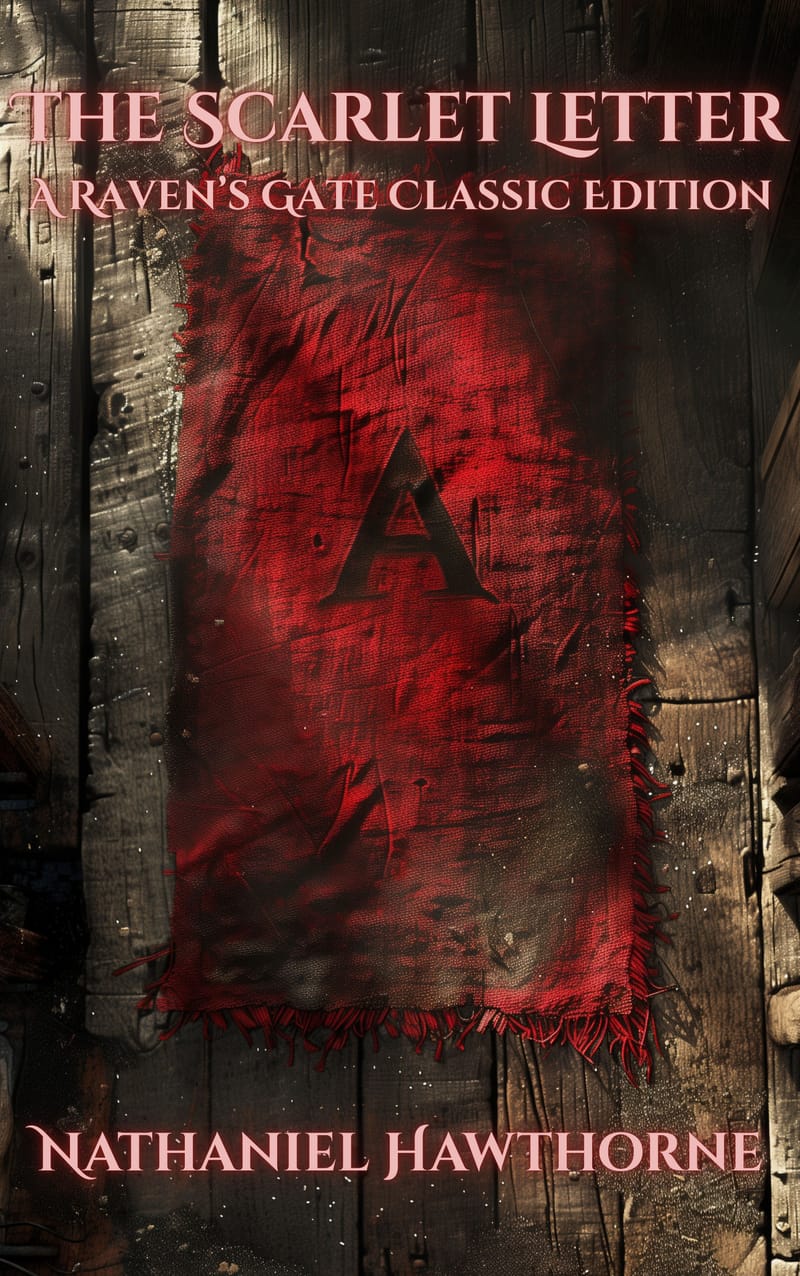
The Scarlet Letter
Nathaniel Hawthorne
A woman stands on a scaffold with a baby and a letter stitched to her chest. She will not name the father. The town stares. The minister clutches his own chest in the crowd. And Hawthorne spends the next two hundred pages proving that the woman who wore her sin in public suffered less than the man who hid his in the dark. The Scarlet Letter is not about Puritan morality. It is about what concealment does to a human being. Hester Prynne is punished and becomes stronger. Arthur Dimmesdale is protected by his silence and it eats him alive. Roger Chillingworth sets out to avenge a betrayal and becomes the thing he hunts. Pearl, the daughter born from the affair, is the only honest character in the novel, and every adult in her life treats her like a symbol instead of a child. Hawthorne wrote this in 1850, set it in the 1640s, and somehow built a book about shame, punishment, and the cost of secrets that reads as if he wrote it about next week. The novel opens with The Custom-House, a forty-page essay about Hawthorne's government job that most readers skip. They shouldn't. It is Hawthorne explaining why he writes, how he found the scarlet letter itself, and what happens to a writer trapped in a bureaucracy. It is also the reason he got fired. He published the novel and the essay together, and Salem never forgave him for either. This Raven's Gate Classics edition includes the complete, unaltered text with The Custom-House introductory sketch and all twenty-four chapters. A biography of Nathaniel Hawthorne covers the Salem childhood shadowed by his Puritan ancestors, the reclusive years of early writing, the friendships with Melville and the Concord circle, the customs house appointment and the firing that freed him to write, the composition of the novel in a burst of grief and fury after his mother's death, the controversial fame, the consulship in Liverpool, the Italian years, the declining health, and the death during the Civil War with an unfinished manuscript in his desk. Commentary covers the three scaffold scenes as the novel's structural spine, Hester Prynne as the first great American heroine, Dimmesdale and the destruction of concealment, Chillingworth as the novel's true villain, Pearl as wild truth, and the ambiguity Hawthorne builds into every symbol. Curated further reading is included. No summaries. No study questions. No academic gatekeeping. Just the novel that invented American literary fiction, with the context to understand the man who wrote it while grieving his mother in the house where his ancestors condemned witches.
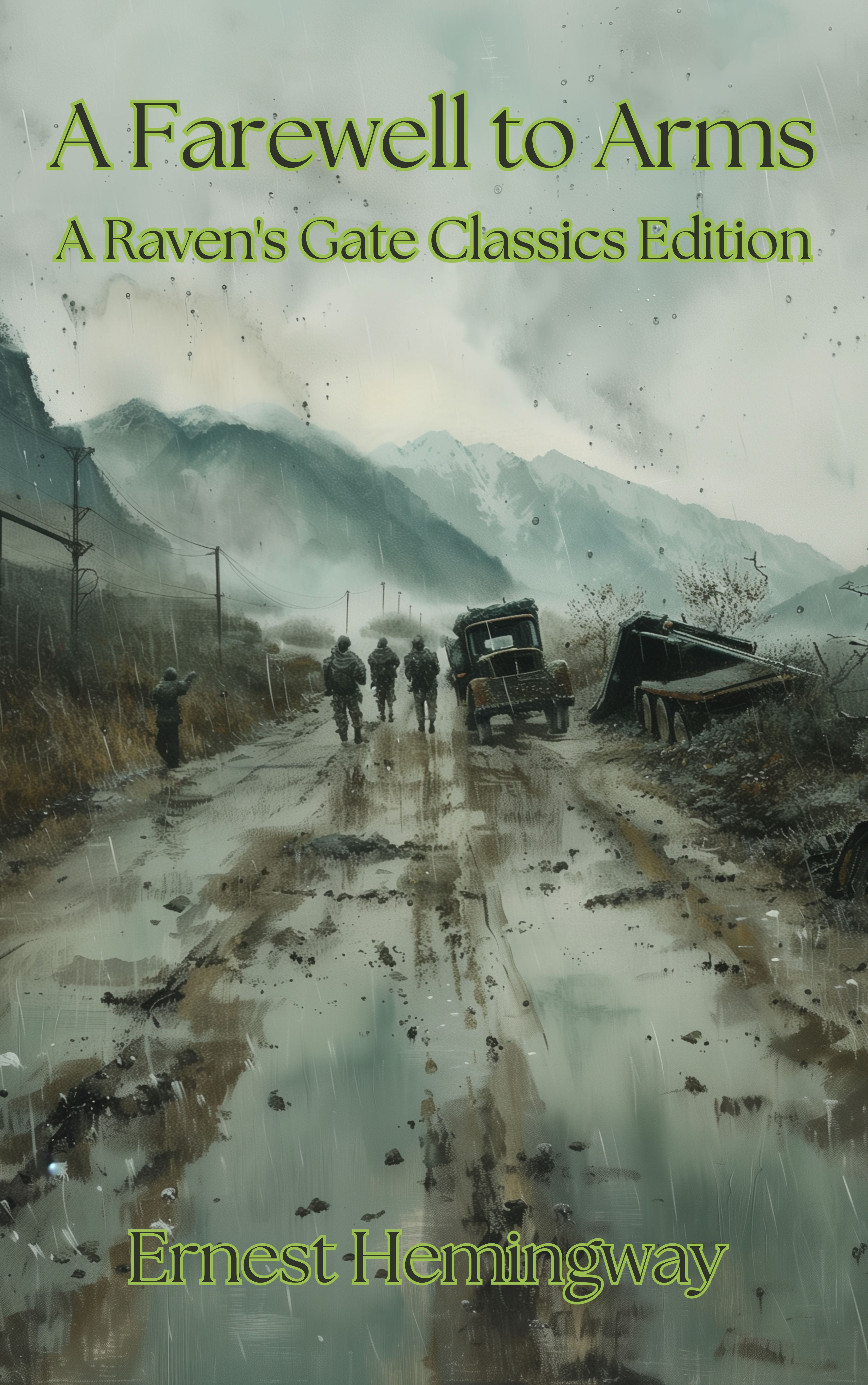
A Farewell to Arms
Ernest Hemingway
Ernest Hemingway's semi-autobiographical masterpiece is one of the greatest war novels ever written. Set on the Italian front during World War I, it tells the story of Frederic Henry, an American serving as an ambulance driver in the Italian army, and his passionate love affair with Catherine Barkley, an English nurse. As the war grinds on with senseless brutality—captured in Hemingway's stark, revolutionary prose—the lovers attempt to escape the chaos and build a life together, only to confront the indifferent cruelty of fate. A devastating meditation on love, war, and loss that defined a generation. A Raven's Gate Classics edition with haunting new cover art.
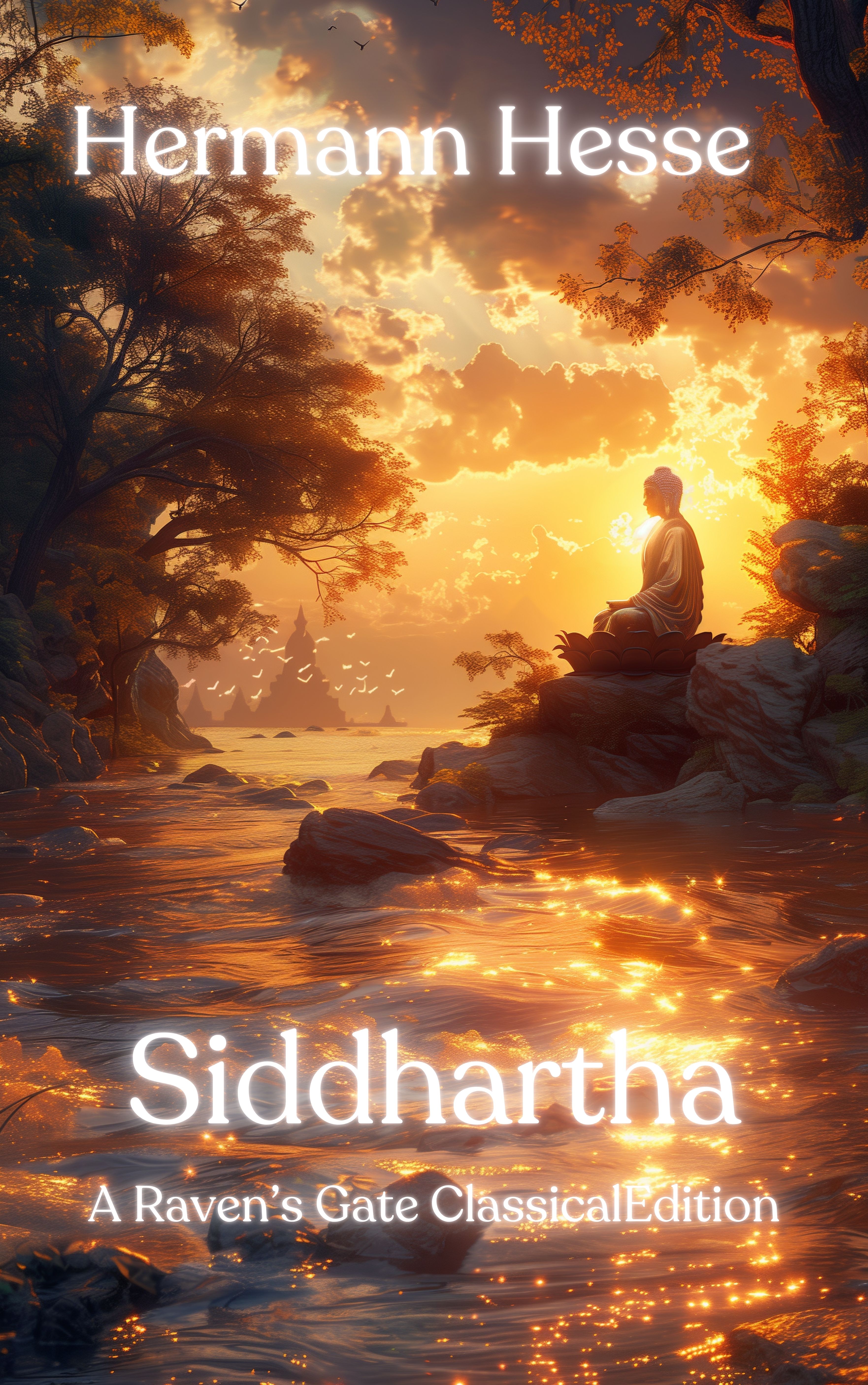
Siddhartha
Hermann Hesse
Hermann Hesse's 1922 novel has guided generations of seekers on their own journeys of self-discovery. In ancient India, a young Brahmin named Siddhartha abandons his privileged life to seek enlightenment. His path leads him through asceticism and sensuality, wealth and poverty, love and loss—until he finally finds wisdom not through teachers or doctrines, but through the eternal voice of a river. Written with lyrical simplicity and profound insight, Siddhartha explores the tension between spiritual teaching and lived experience, between knowing and understanding. A Raven's Gate Classics edition with luminous new cover art.
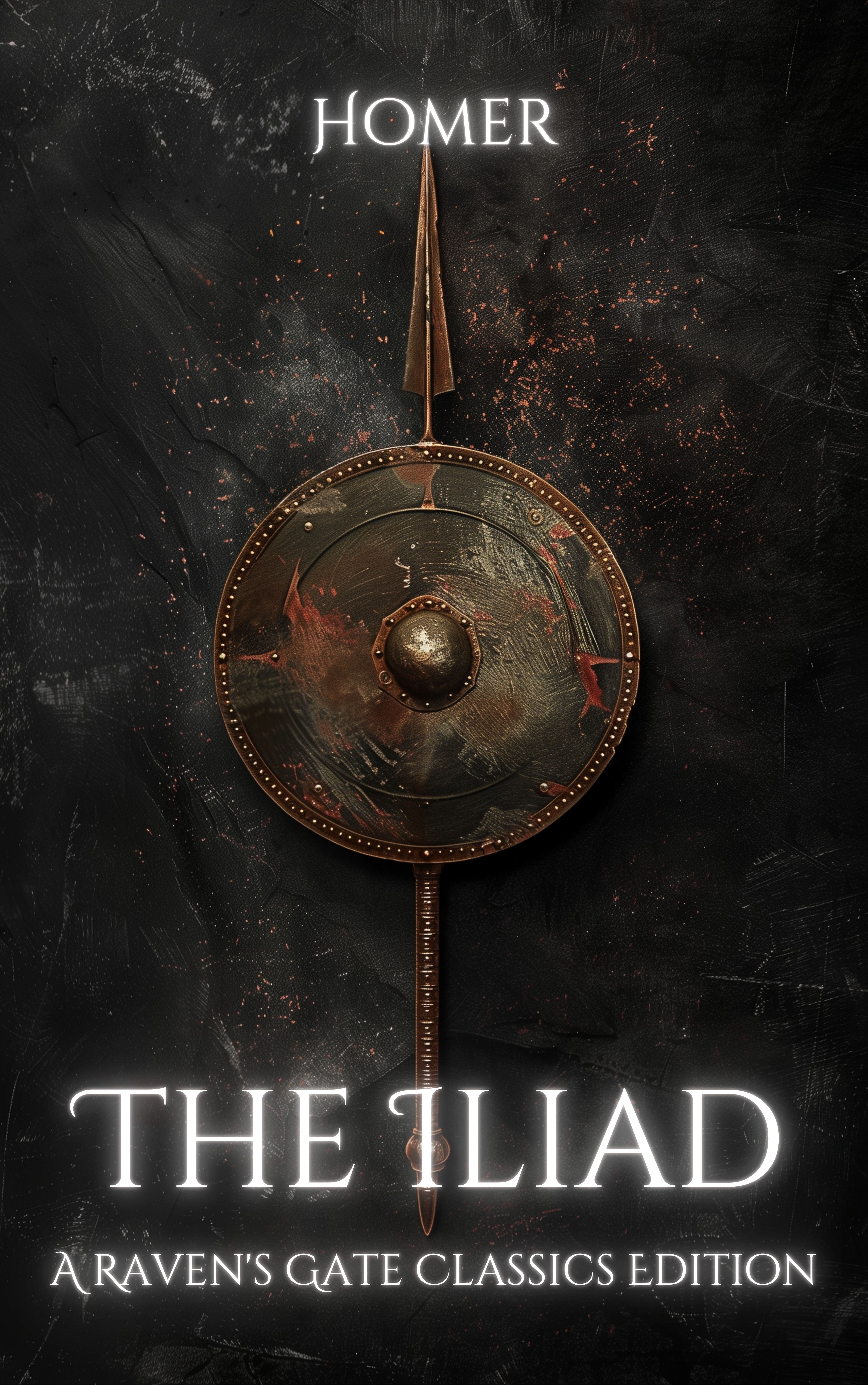
The Iliad
Homer
Homer's towering war epic recounts a few crucial weeks in the final year of the Trojan War. At its heart is the rage of Achilles, the greatest of the Greek warriors, whose bitter feud with King Agamemnon threatens to doom the entire Greek army. As gods take sides and meddle in the affairs of men, the battle rages between the Greeks and the defenders of Troy, building to the unforgettable duel between Achilles and the noble Trojan prince Hector. A poem of glory and grief, honor and mortality, The Iliad remains the wellspring of Western literature and one of the most powerful depictions of war ever composed. A Raven's Gate Classics edition with battle-worn new cover art.
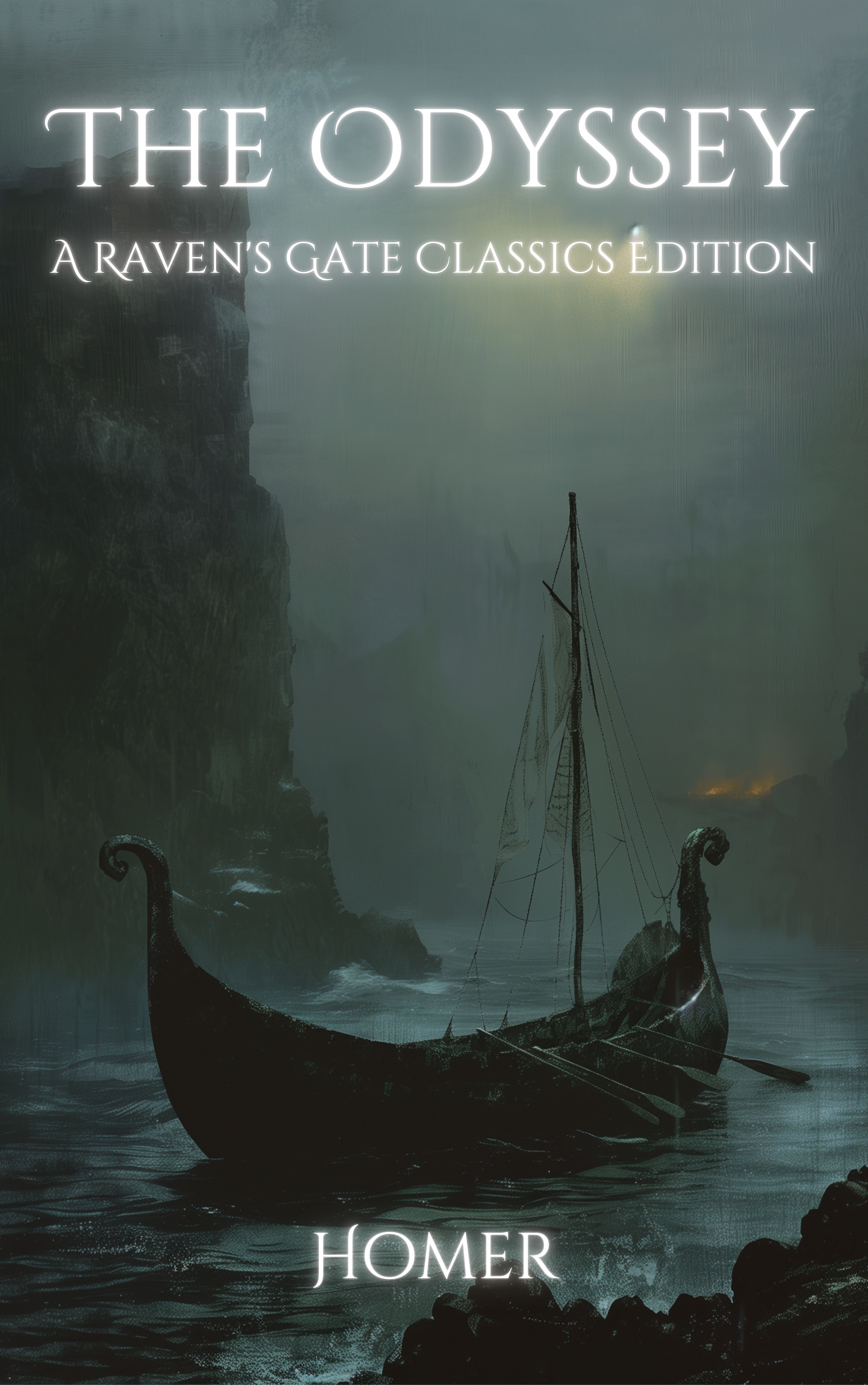
The Odyssey
Homer
Homer's epic poem is the foundational adventure story of Western literature. After ten years of war at Troy, the cunning hero Odysseus begins his long journey home to Ithaca—a voyage that will take another ten years and test him against monsters, witches, and the wrath of the gods. He must outwit the man-eating Cyclops, resist the deadly song of the Sirens, navigate between Scylla and Charybdis, and escape the enchantress Circe, all while his faithful wife Penelope fends off ruthless suitors at home. A timeless tale of perseverance, cleverness, and the longing for home that has captivated readers for nearly three thousand years. A Raven's Gate Classics edition with haunting new cover art.
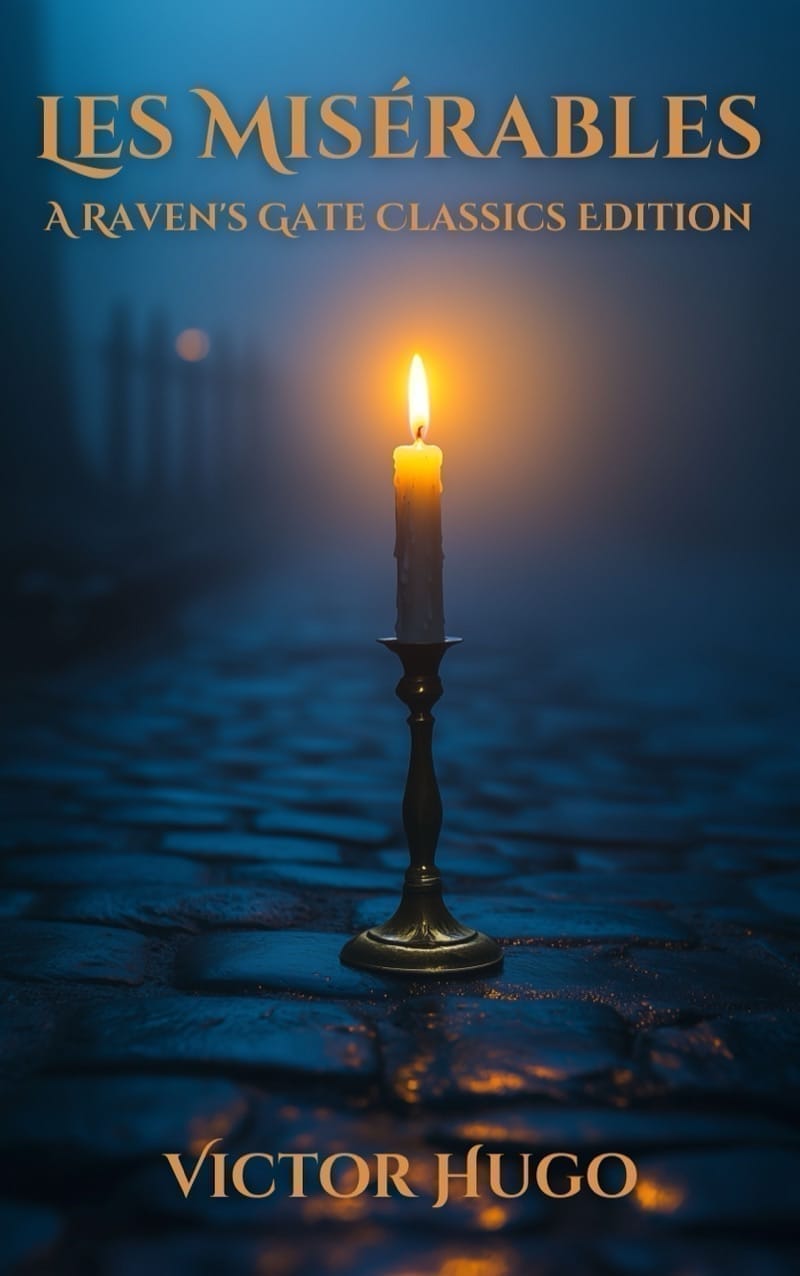
Les Misérables
Victor Hugo
You know the musical. You know the movie. You know the songs. But the novel Victor Hugo spent seventeen years writing is something else entirely. Les Misérables is one of the longest, most ambitious, and most emotionally overwhelming novels ever written. At its center is Jean Valjean, a convict transformed by a single act of mercy into a man who will spend the rest of his life paying that mercy forward. Pursuing him across decades is Inspector Javert, a man so committed to the law that he cannot survive discovering it is wrong. Around them, Hugo builds an entire world: the streets of Paris, the sewers beneath them, the barricades where students die for a republic that does not yet exist, and a love story so pure it aches. This edition presents the complete, unabridged novel in Isabel Florence Hapgood's acclaimed 1887 translation. The musical gives you three hours. Hugo gives you everything. This is the full cathedral.
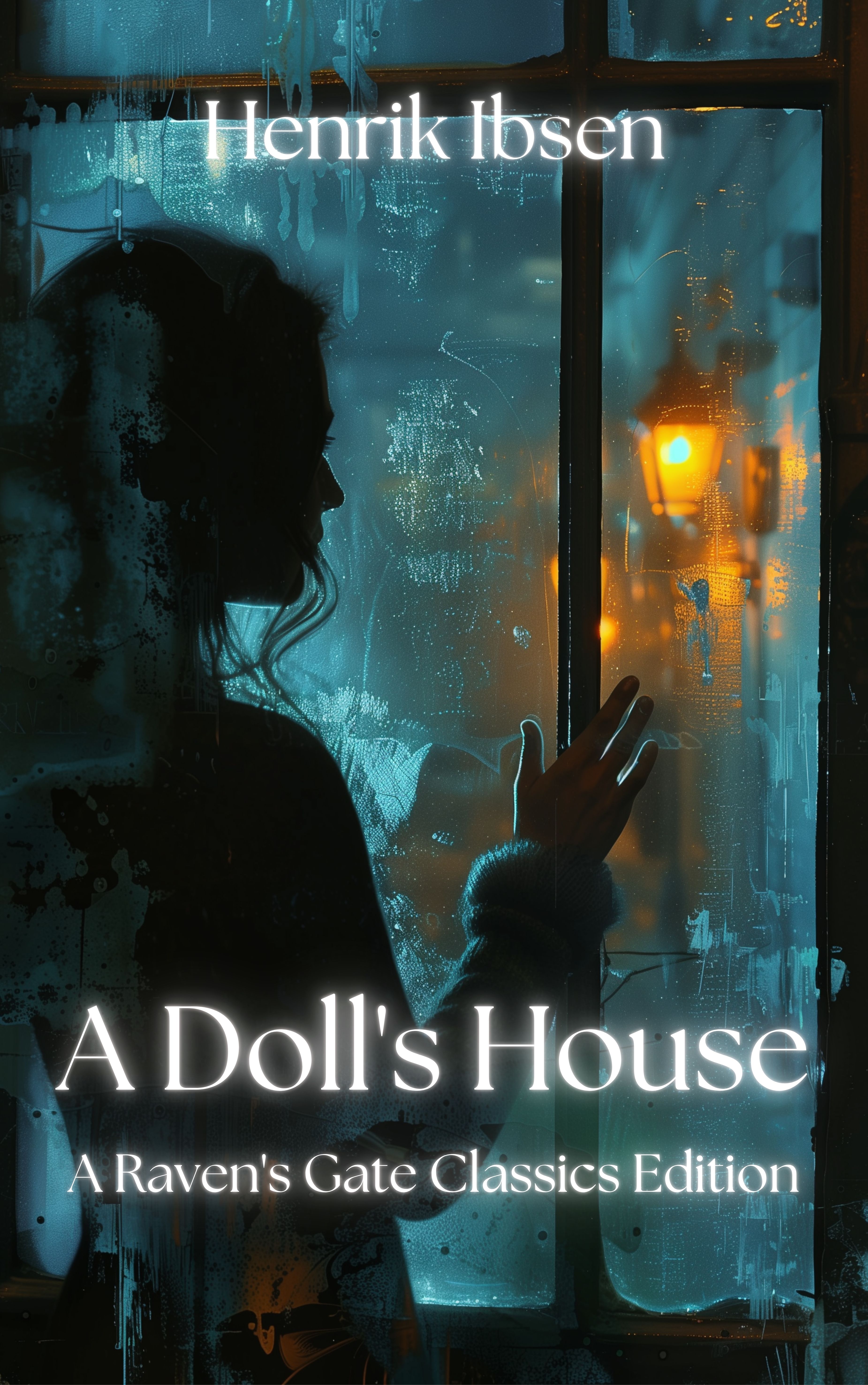
A Doll's House
Henrik Ibsen
Henrik Ibsen's groundbreaking 1879 play scandalized audiences and changed the course of modern drama. Nora Helmer appears to live an idyllic life as the cherished wife of an up-and-coming banker—but beneath the surface lies a secret debt, a forged signature, and a marriage built on illusions. As her carefully maintained world begins to unravel, Nora confronts the suffocating expectations placed upon her and makes a choice that reverberated through theaters around the world. A searing examination of marriage, identity, and a woman's right to define herself, A Doll's House remains one of the most powerful and performed plays ever written. A Raven's Gate Classics edition with evocative new cover art.
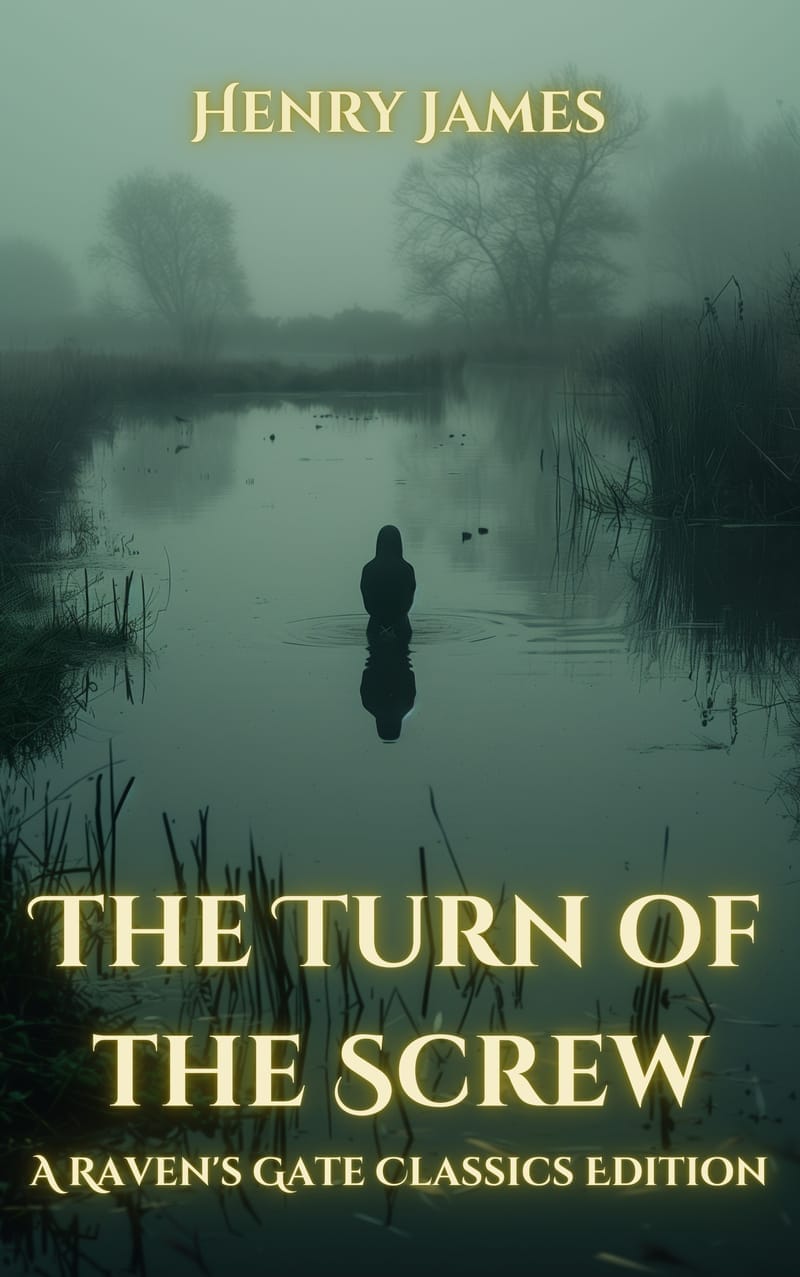
The Turn of the Screw
Henry James
A young governess takes a position at a country estate called Bly. The children are beautiful, well-mannered, and possibly damned. Two former employees, both dead, are appearing on the grounds. The governess sees them. The children, she becomes convinced, see them too, and are hiding it. She decides to save the children. What follows is either a ghost story about corruption beyond the grave or the account of a woman losing her mind and destroying the very people she means to protect. Henry James will not tell you which. That refusal is what makes The Turn of the Screw the most debated work of fiction in English. Published in 1898 as a serial in Collier's Weekly, James intended it as a tale to catch those not easily caught. He succeeded. Over a century of readers, critics and scholars have argued about what happens in this novella, and the argument has no resolution because James engineered it that way. Every piece of evidence for ghosts is also evidence for madness. Every moment of horror works in both directions. The governess narrates her own story. She is intelligent, earnest, devoted, and possibly unreliable in ways she cannot recognize. She sees figures on the tower and across the lake. She identifies them from descriptions that may or may not match. She interrogates the children with an intensity that looks like care or like obsession depending on which line you are reading. And the ending, one of the most shocking final pages in English fiction, resolves nothing. This Raven's Gate Classics edition includes the complete, unaltered text of the 1898 first edition, including the prologue frame narrative. A biography of Henry James covers the transatlantic childhood, the early novels of manners, the turn toward psychological fiction, the theatrical failure of Guy Domville and the pivot to the ghost stories, the friendship with the Archbishop of Canterbury whose anecdote sparked this tale, the late masterpieces, and the final illness. Commentary covers the governess as narrator and the question of her reliability, the ghosts of Peter Quint and Miss Jessel and what James does and does not confirm about them, the children Miles and Flora and whether their innocence is real, James's own comments about the story and why they clarify nothing, the frame narrative and what Douglas knows, and the critical war between Edmund Wilson's psychological reading and the supernaturalists. Legacy runs from the Britten opera to Jack Clayton's The Innocents to its permanent place in the canon of horror fiction. Curated further reading is included. No summaries. No study questions. No academic gatekeeping. Just the ghost story that refuses to tell you whether the ghosts are real, with the context to understand the novelist who made that refusal into art.
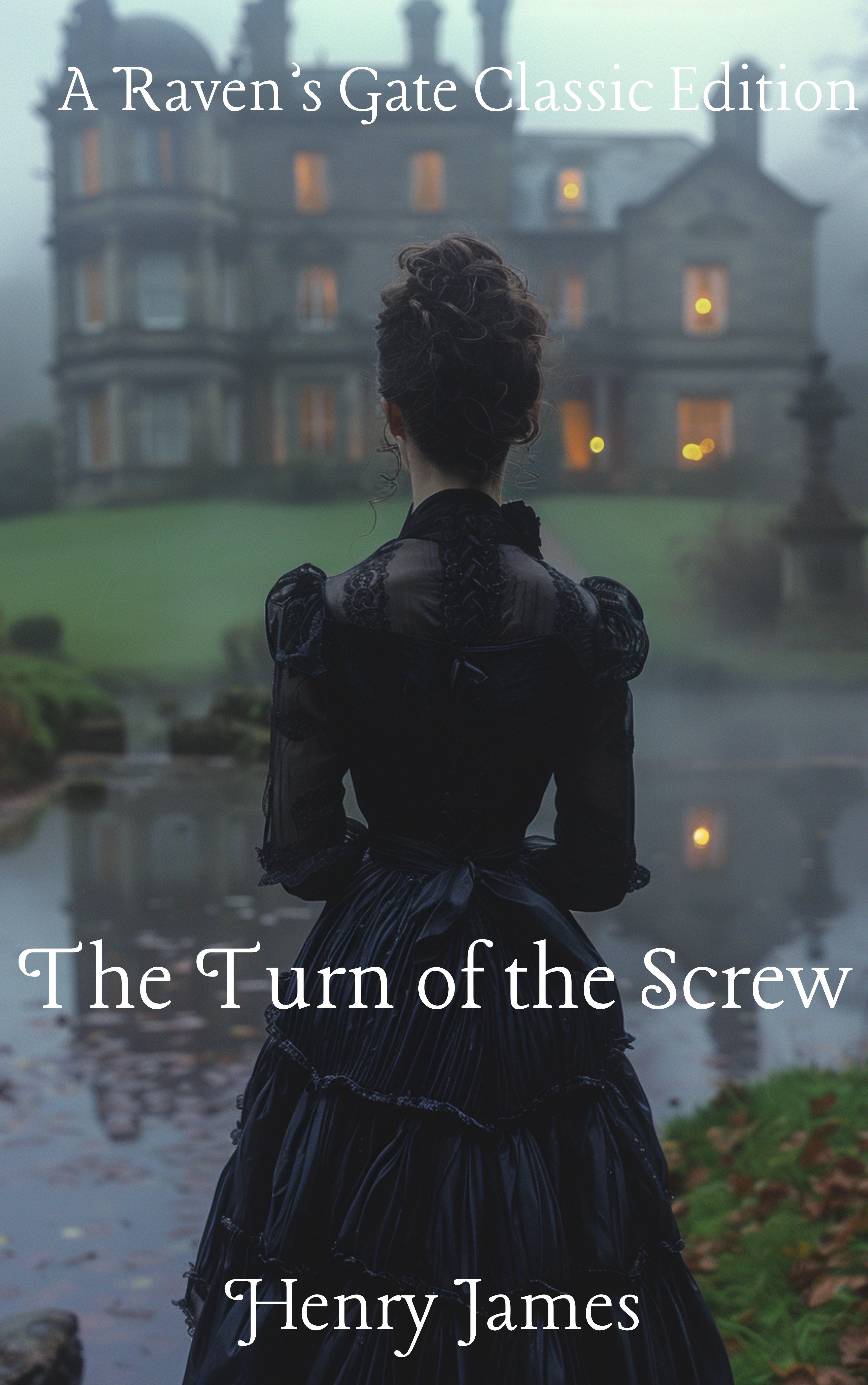
The Turn of the Screw
Henry James
Henry James's 1898 novella is perhaps the most ambiguous and unsettling ghost story ever written. A young governess arrives at a remote English estate to care for two orphaned children, only to become convinced that the grounds are haunted by the malevolent spirits of her predecessors. But are the ghosts real, or is she descending into madness? James never tells us, and that uncertainty has made this tale a favorite of readers and scholars for over a century. This Raven's Gate Classics edition presents the complete original text.
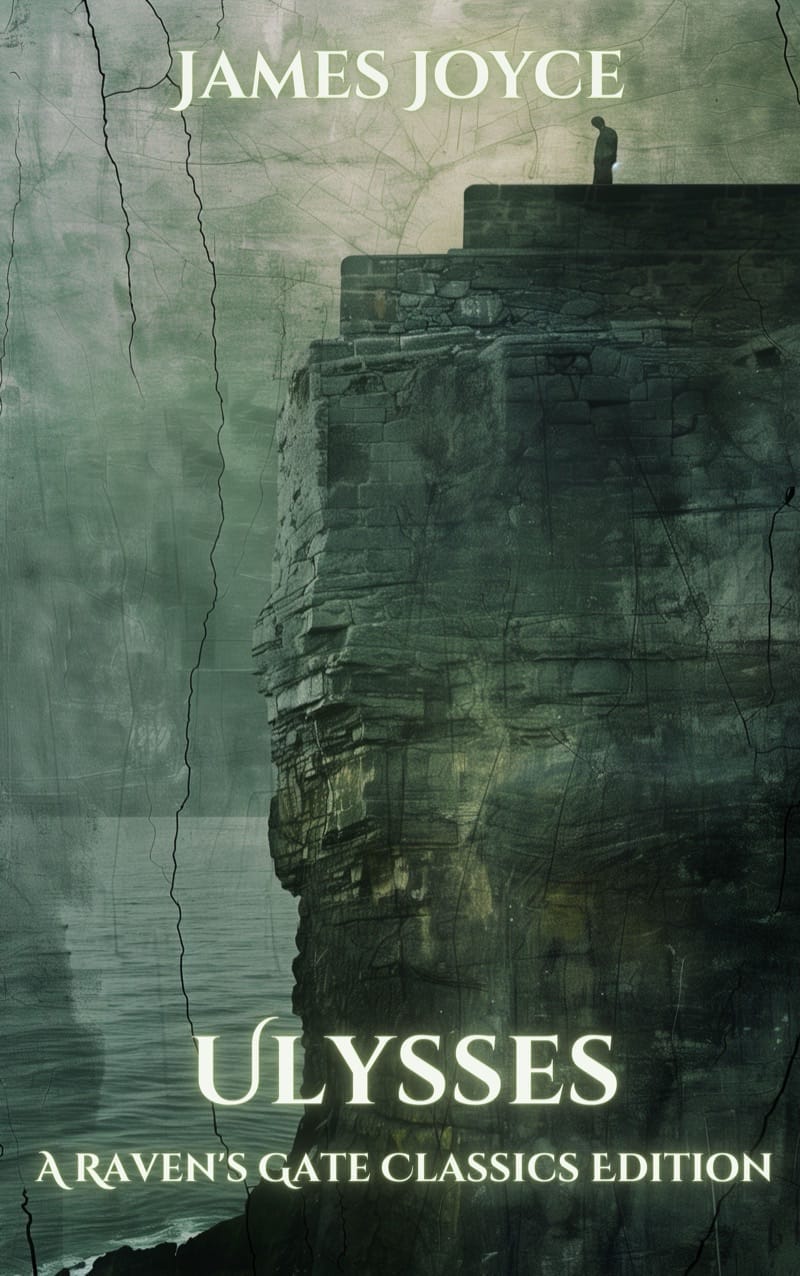
Ulysses
James Joyce
It is the story of a man walking around Dublin for a day. He eats a kidney for breakfast. He goes to a funeral. He buys soap. He thinks about his wife. Then he goes to bed. That is the entire plot. Everything else you have heard about this novel—its difficulty, its genius, its obscenity, its unreadability—is about the way James Joyce chose to tell that story. He told it in eighteen episodes, each written in a different style, each mapped onto Homer's Odyssey. The novel was serialized, seized by the U.S. Post Office, burned, and banned for obscenity. He also wrote one of the funniest, most humane, most alive books in the English language. That part tends to get lost in the reputation. Read it for Leopold Bloom: kind, curious, wounded, funny, ordinary, and quietly heroic. The professors will handle the puzzles. Bloom is yours. A Raven's Gate Classics edition.
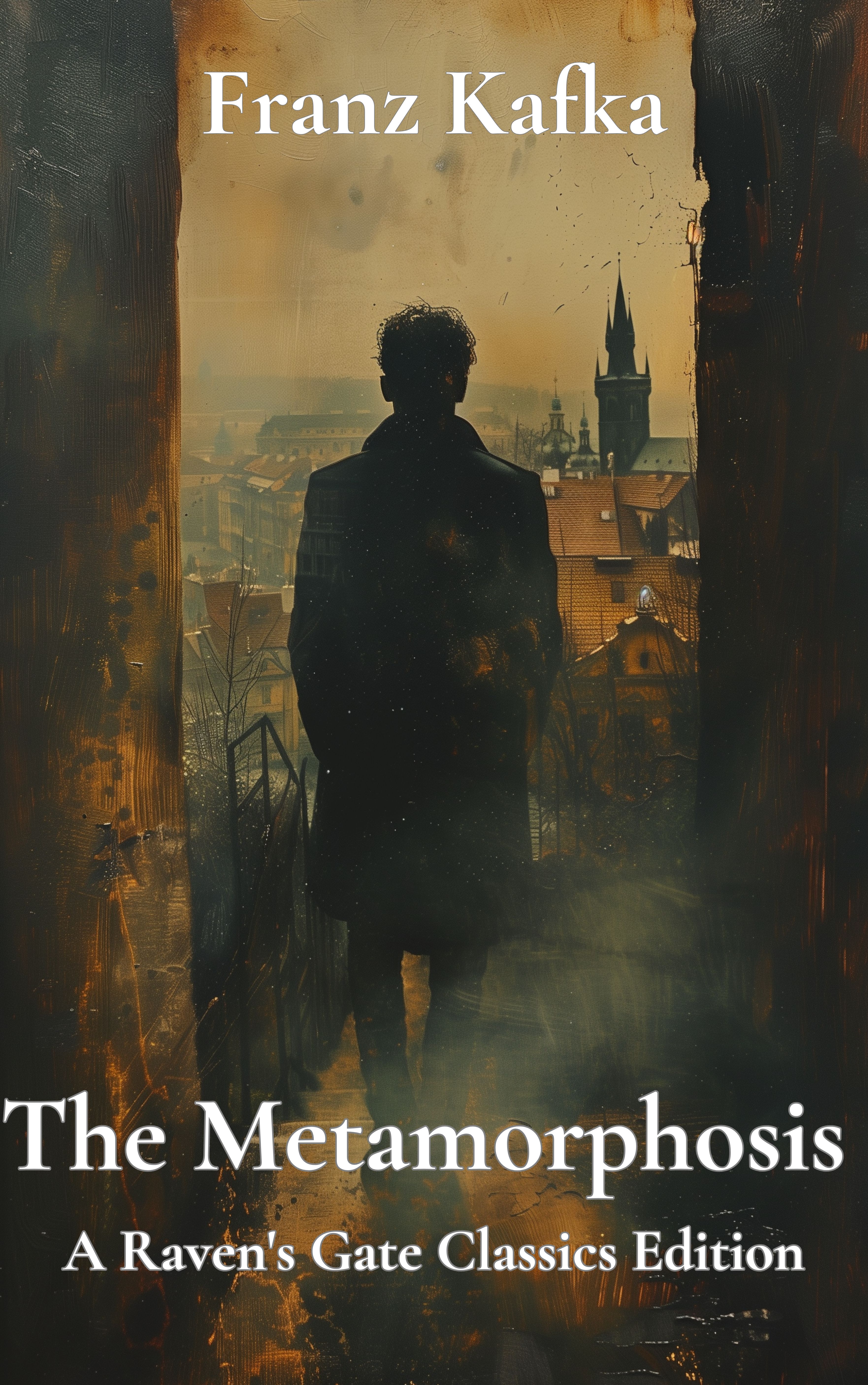
The Metamorphosis
Franz Kafka
Franz Kafka's haunting novella is one of the most influential works of modern literature. It begins with one of the most famous opening lines ever written: traveling salesman Gregor Samsa wakes one morning to find himself transformed into a monstrous insect. Trapped in his room and his hideous new body, Gregor becomes a burden and a horror to the family he once supported, and the story unfolds as a devastating parable of alienation, isolation, and the fragility of human dignity. Strange, nightmarish, and unforgettable, The Metamorphosis distills Kafka's vision of a world that is at once absurd and cruelly indifferent. A Raven's Gate Classics edition with evocative new cover art.

The Jungle Book
Rudyard Kipling
A naked brown baby crawls into a wolf's den, and the wolves decide to keep him. Not out of sentiment. Because a bear and a panther vouch for him, and because the Law permits it. This is not the Disney version. Kipling's Jungle Book is colder, stranger, and more honest than any adaptation has dared to be. Mowgli belongs nowhere. The wolves raise him but he is not a wolf. The village takes him in but he is not a villager. The Law of the Jungle, which Baloo teaches him and which governs every creature in the forest, is not a metaphor for freedom. It is a code of obligation, hierarchy, and consequence. Break it, and the jungle breaks you. The collection holds seven stories, and the non-Mowgli tales are as fine as anything Kipling wrote. Rikki-Tikki-Tavi is a combat narrative of terrifying efficiency, a mongoose killing cobras with the focus of a soldier executing a mission. The White Seal is an ecological parable decades before the word existed. Toomai of the Elephants describes a midnight dance that no human has witnessed, rendered with a restraint that borders on reverence. Each story is followed by a poem, because Kipling was a poet of the first order, and the verse deepens, complicates, and sometimes contradicts the prose. This Raven's Gate Classics edition includes the complete text of all seven stories and their accompanying poems as published in 1894. A biography of Rudyard Kipling covers the paradise of his Bombay childhood, the nightmare of the foster home in Southsea, the return to India at sixteen as a journalist, the literary debut that stunned London, the Vermont years where The Jungle Book was written within earshot of New England snowplows, the Nobel Prize at forty-one, The White Man's Burden and the complex relationship with empire, the death of his daughter Josephine at six, the loss of his son John at the Battle of Loos, and the corrosive guilt that followed. Commentary covers the Law of the Jungle as social code rather than metaphor for wildness, Mowgli's permanent displacement between two worlds, Baloo and Bagheera as complementary teachers, the non-Mowgli stories as masterpieces in miniature, Kipling and empire in all its contradictions, the integral function of the verse, and the narrative voice as one of Kipling's most distinctive achievements. A legacy section covers the Scouting movement's adoption of the book's characters, the Disney transformation, the literary influence on Jack London and beyond, and the book's enduring resonance as a story about belonging, exile, and the cost of walking between cultures. Curated further reading is included. No sanitizing. No simplifying. No Disney. Just the original jungle, with the context to understand the man who imagined it and the empire that shaped him.
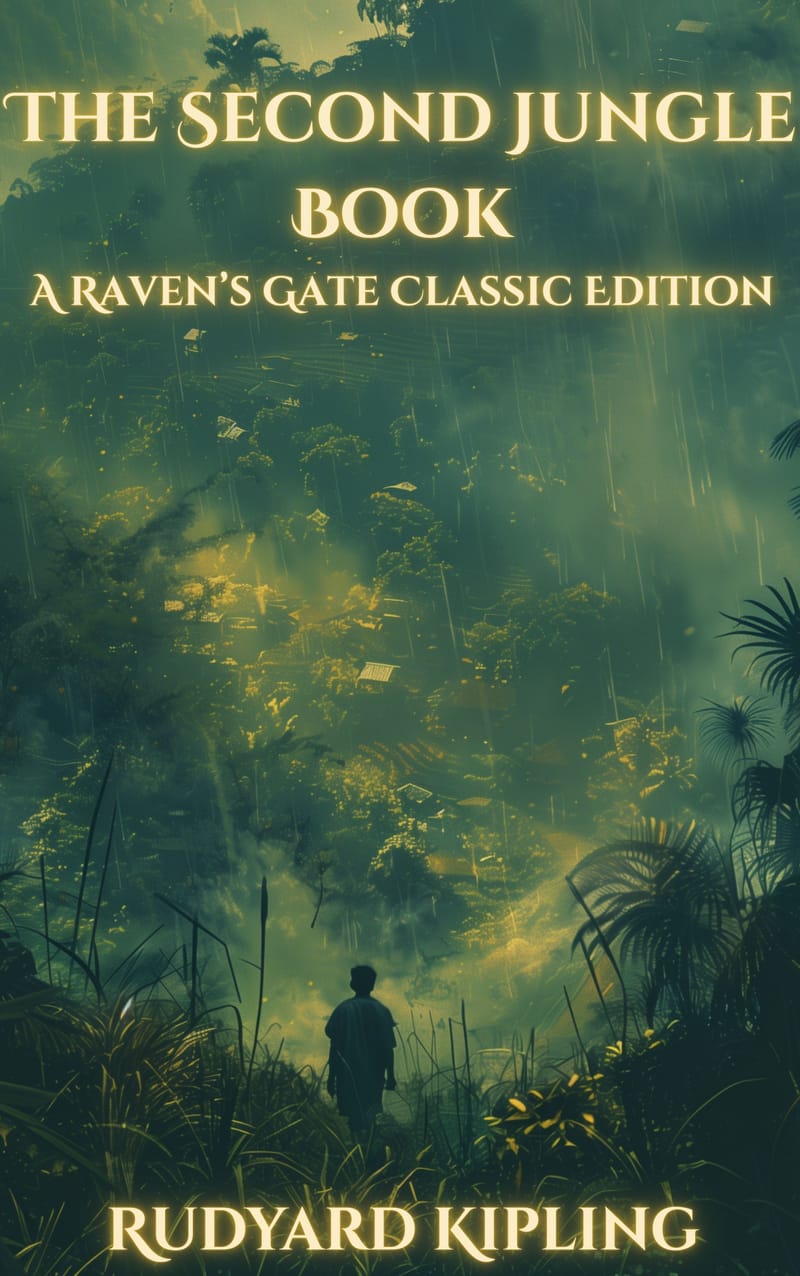
The Second Jungle Book
Rudyard Kipling
The boy who ran with wolves has grown up, and this is a different kind of book. In the first Jungle Book, Mowgli was a child discovering a world governed by laws more honest than anything the human village could offer. In this one, he enforces those laws. He commands the jungle's creatures to destroy a human village. He leads the wolf pack in a war of survival against invading dholes. He encounters human greed and cannot comprehend it. And in the final story, the jungle releases him — not because it no longer wants him, but because his own body is betraying him into manhood. The Spring Running is one of the quietest, most devastating farewells in English literature. Mowgli does not understand what is happening to him. The reader does. That gap is where the story lives. This is not a sequel. It is a deepening. Kipling was twenty-nine, living in Vermont, writing about Indian jungles he carried entire in his memory. The distance concentrated the detail rather than softening it. Five Mowgli stories carry the boy from power to departure. Three standalone tales — a Hindu holy man on a Himalayan mountainside, a mugger crocodile holding court in a river, Inuit hunters tracking seals across Arctic ice — are Kipling at the peak of his narrative craft. This Raven's Gate Classics edition includes the complete, unaltered text of the 1895 first edition with all eight stories and all verse interludes. A biography of Rudyard Kipling covers the Bombay childhood, the House of Desolation years in Southsea, the return to India as a teenage journalist, the explosive rise to fame, the Vermont years when both Jungle Books were written, the marriage to Caroline Balestier, the death of his daughter Josephine, the Nobel Prize, the loss of his son John at the Battle of Loos, and the final decades. Commentary covers the darker register of this second volume, the moral complexity of Letting In the Jungle, the devastating farewell of The Spring Running, the standalone masterpieces, the Law of the Jungle as moral philosophy, the verse interludes as structural architecture, the colonial landscape, and Mowgli's arc from innocence to experience as Kipling's most personal theme. Curated further reading is included. No summaries. No study questions. No academic gatekeeping. Just the book in which Kipling pushed the Mowgli stories to their conclusion and discovered they were about the cost of growing up.
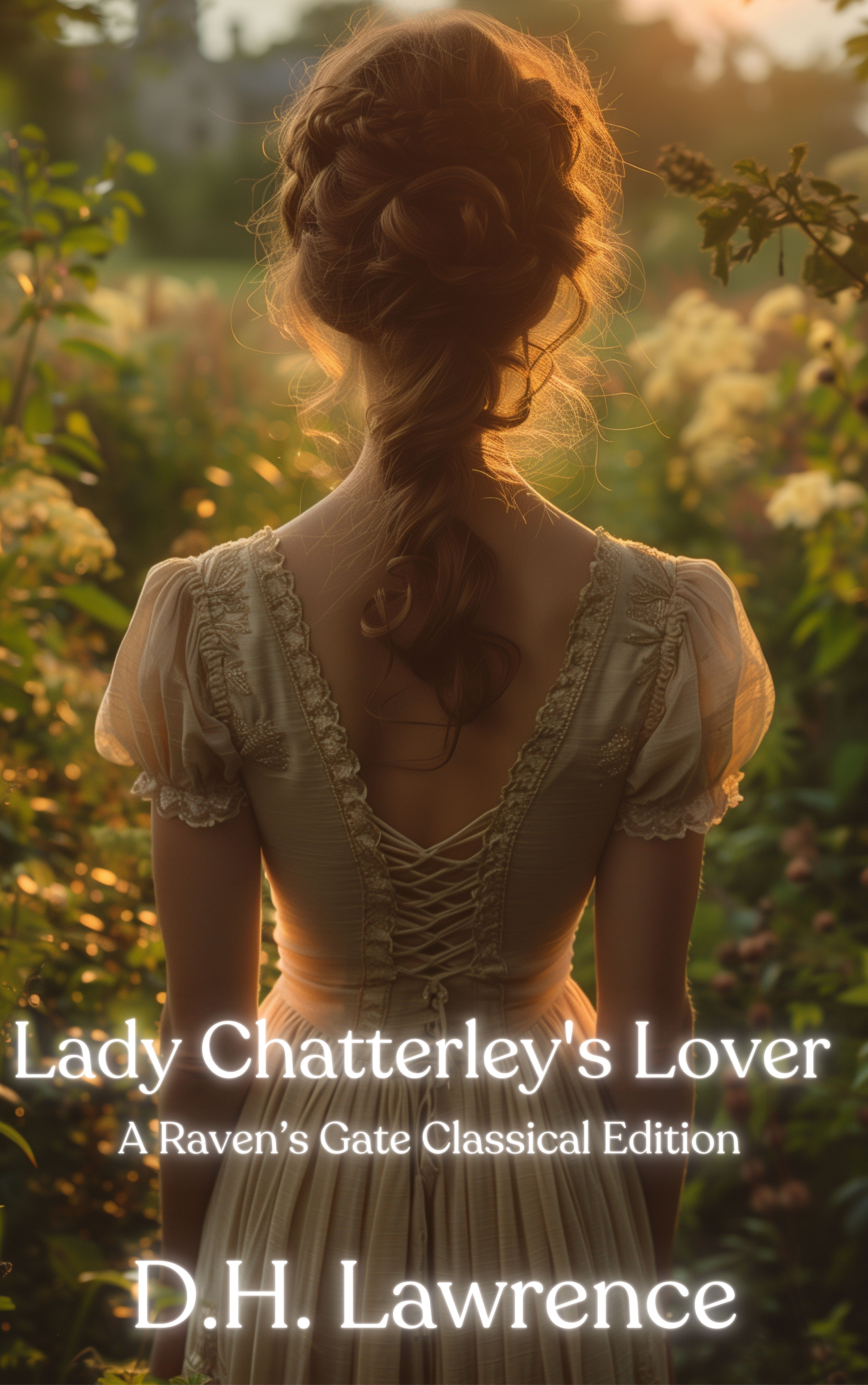
Lady Chatterley's Lover
D. H. Lawrence
D.H. Lawrence's final novel was so controversial that it was banned for over thirty years—and sparked a landmark obscenity trial that changed publishing forever. Constance Chatterley is trapped in a loveless marriage to a paralyzed aristocrat when she begins a passionate affair with the gamekeeper on their estate. But this is far more than a scandalous romance: it's a searing indictment of industrialization, class division, and the emotional sterility of modern life. Lawrence's explicit prose shocked his contemporaries, but his message—that physical intimacy and emotional connection are inseparable—remains as relevant as ever. A Raven's Gate Classics edition.

Carmilla
Joseph Sheridan Le Fanu
Before Dracula, there was Carmilla. Joseph Sheridan Le Fanu's 1872 gothic masterpiece tells the story of a young woman's mysterious friendship with a beautiful stranger—a friendship that slowly reveals itself to be something far darker and more dangerous. This groundbreaking vampire tale, which predates Bram Stoker's famous novel by 25 years, explores obsession, desire, and the seductive pull of the supernatural with a sophistication that still unsettles readers today. Presented in a stunning Raven's Gate Classics edition, this is the vampire story that started it all.
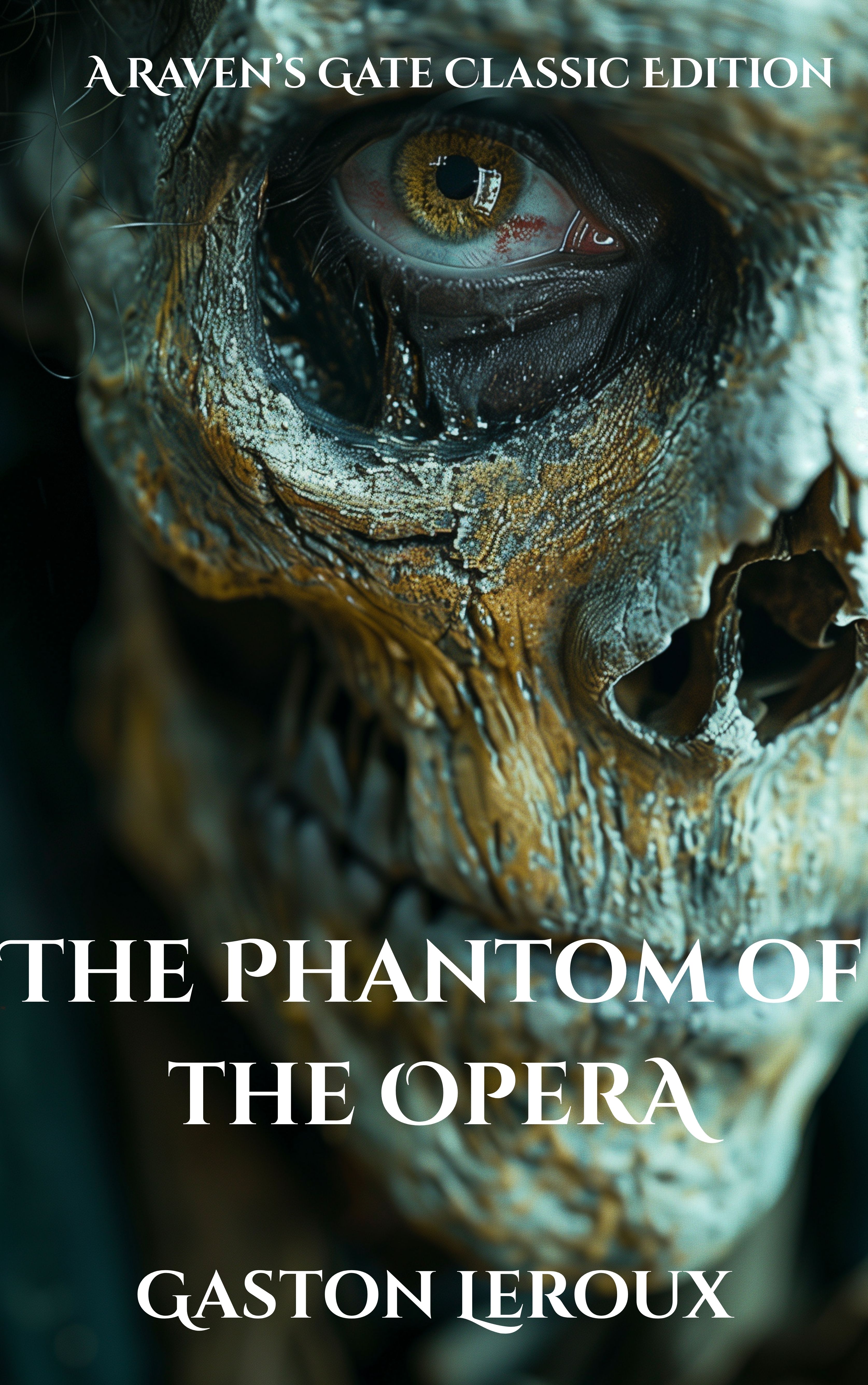
The Phantom of the Opera
Gaston Leroux
Gaston Leroux's 1910 gothic romance tells the tragic tale of Erik, the disfigured musical genius who haunts the Paris Opera House from the labyrinthine cellars beneath. When he becomes obsessed with the young soprano Christine Daaé, his twisted love sets in motion a chain of terror and tragedy. Far darker and more complex than its famous musical adaptation, Leroux's original novel is a meditation on beauty, obsession, and the monster that society creates when it rejects those who are different. A Raven's Gate Classics edition.
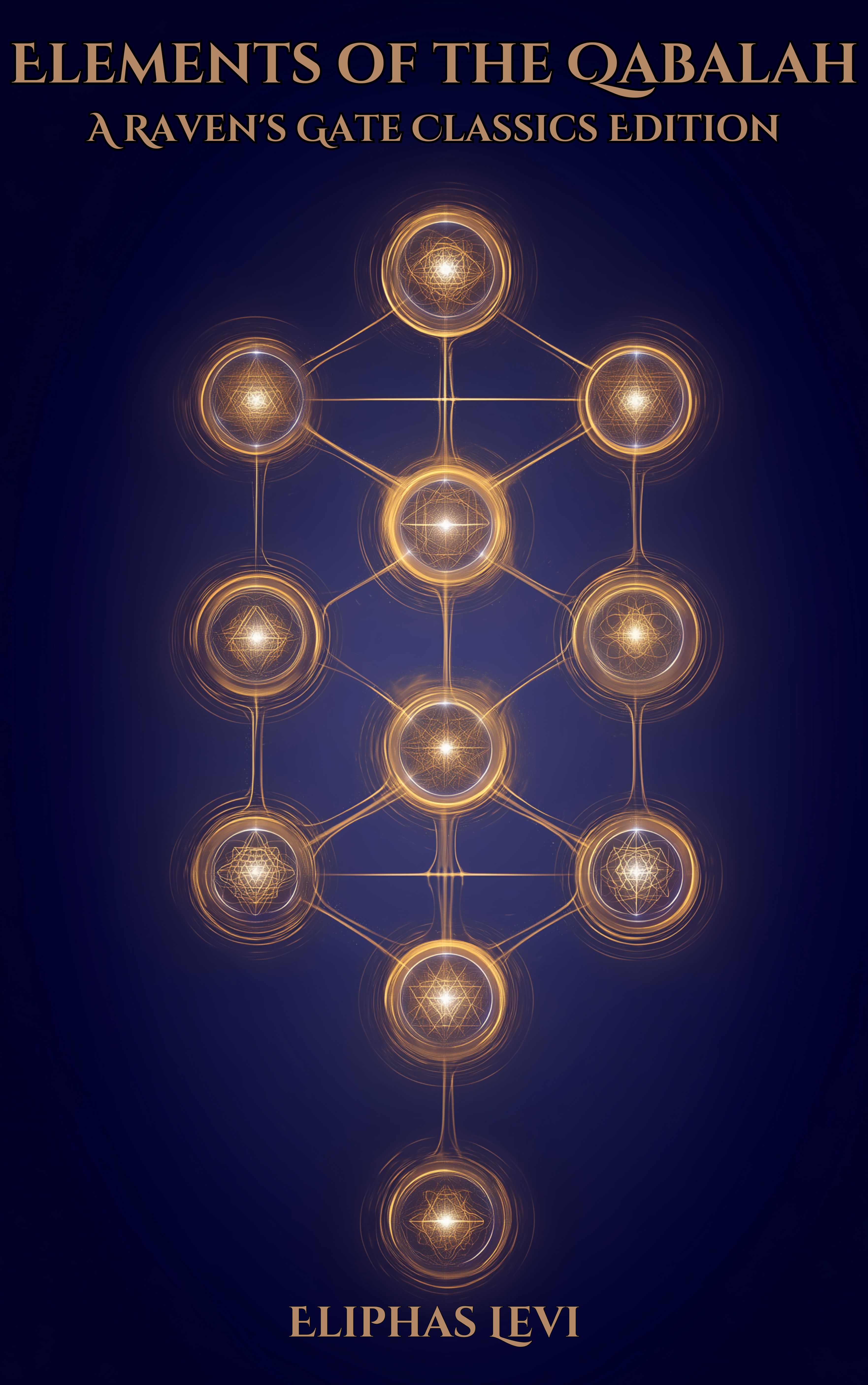
Elements of the Qabalah
Eliphas Levi
Eliphas Levi, the nineteenth-century French occultist who reshaped Western esoteric thought, here distills the foundations of Qabalistic doctrine into a series of luminous letters and meditations. Exploring the Tree of Life, the ten Sephiroth, the divine names, and the hidden correspondences between the spiritual and material worlds, Levi presents the Qabalah not as dry scholarship but as a living key to the mysteries of creation, the soul, and the unseen forces that govern both. A foundational text of the modern occult revival that influenced generations of mystics, magicians, and seekers. A Raven's Gate Classics edition with luminous new cover art.

The Call of the Wild
Jack London
A big dog named Buck lives on a California ranch. Men steal him and ship him north. Everything after that is about what civilization costs and what savagery gives back. The Call of the Wild is the shortest great American novel. Under thirty thousand words of original text, and every one of them earns its place. London wrote it in a month in 1903 and it made him the highest-paid writer in America. The prose is lean, fast, and violent. Dogs are beaten, starved, worked until they drop, and killed. Buck survives because he is stronger and more ruthless than anything around him. London wasn't sentimental about this. He didn't think it was a tragedy. He thought it was a liberation. That's what makes the book dangerous. Buck doesn't go feral because something breaks in him. He goes feral because something wakes up. London's argument, borrowed from Darwin and Nietzsche and his own brutal youth, is that civilization is the leash, not the gift. The frozen Yukon strips away everything domestic and comfortable and what's left underneath is magnificent. You finish the book wanting to howl. London intended that. This Raven's Gate Classics edition includes the complete, unaltered text of all seven chapters. A biography of Jack London covers the waterfront, the oyster pirating, the seal-hunting voyage at seventeen, the Klondike winter that gave him everything he wrote, the thousand-words-a-day discipline, the socialism, the drinking, the two marriages, the ranch that consumed him, and the death at forty. Commentary covers naturalism and why London's philosophical framework matters, the dog as protagonist and how London solves the problem of animal consciousness, the violence that makes the book work, the Yukon as both setting and argument, and why a short novel about a stolen pet became an American classic. Curated further reading is included. No summaries. No study questions. No academic gatekeeping. Just London's most perfect novel, with the context to understand the man who believed the wild was calling all of us.

White Fang
Jack London
London wrote The Call of the Wild and watched a domesticated dog become a wolf. Then he flipped the lens. White Fang starts in the wilderness and asks: what does it cost a wild thing to learn to love? The answer is almost everything. White Fang is born in the frozen Yukon, three-quarters wolf. His mother is part dog, enough to remember the campfire. He grows up killing or being killed, learns to survive dog fights and human cruelty, and is brutalized into a weapon by a man who makes money watching animals tear each other apart. When kindness finally arrives, it is almost too late. The wolf-dog doesn't know what to do with a hand that doesn't hit. London was not writing a children's story. He was writing a naturalist argument about environment and instinct, about whether the damage done by violence can be undone by patience. He gives no easy answers. White Fang's journey toward domestication is painful, halting, and psychologically precise. London understood trauma before anyone called it that. This Raven's Gate Classics edition includes the complete, unaltered text of all twenty-five chapters across five parts. A biography of Jack London covers the waterfront childhood, the oyster pirating, the Klondike expedition, the thousand-words-a-day work ethic, the socialism and the contradictions, the drinking, the ranch, and the death at forty. Commentary covers White Fang as the deliberate mirror of The Call of the Wild, London's naturalism and the philosophical framework driving both novels, the wolf-dog as a psychological study in trauma and recovery, and why the ending works despite everything that precedes it. Curated further reading is included. No summaries. No study questions. No academic gatekeeping. Just London's most psychologically complex novel, with the context to understand what he was arguing about wildness, domestication, and whether a broken thing can be made whole.
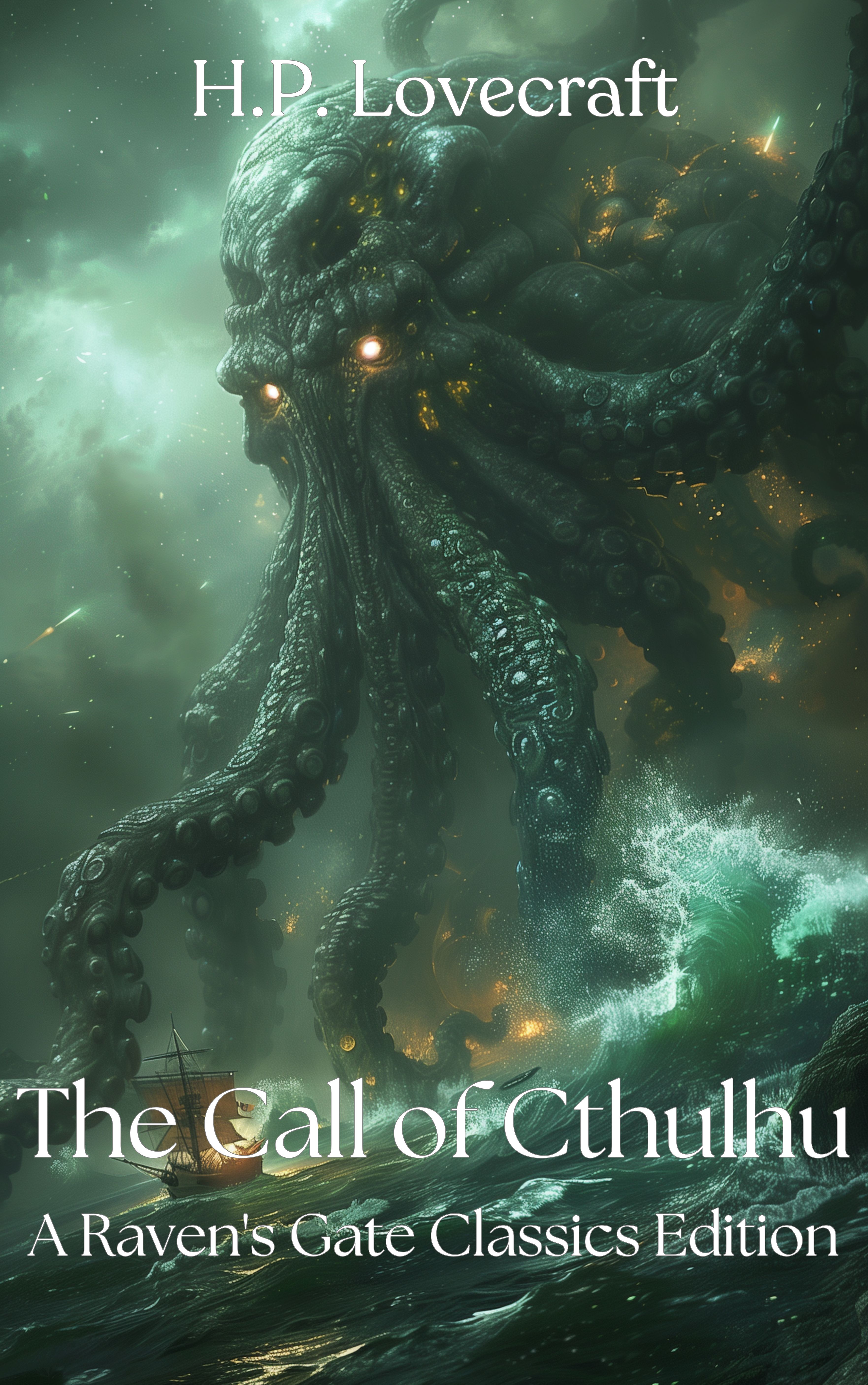
The Call of Cthulhu
H. P. Lovecraft
H.P. Lovecraft's 1928 masterpiece introduced the world to cosmic horror—and to the tentacled god who sleeps beneath the Pacific, waiting to wake and drive humanity mad. Pieced together from newspaper clippings, police reports, and the ravings of artists driven insane by their dreams, 'The Call of Cthulhu' reveals the existence of an ancient cult worshipping beings so vast and alien that to comprehend them is to lose one's mind. Lovecraft's vision of a universe indifferent to human existence, where we are less than insects before powers beyond our imagination, remains the most influential horror concept of the twentieth century. A Raven's Gate Classics edition.
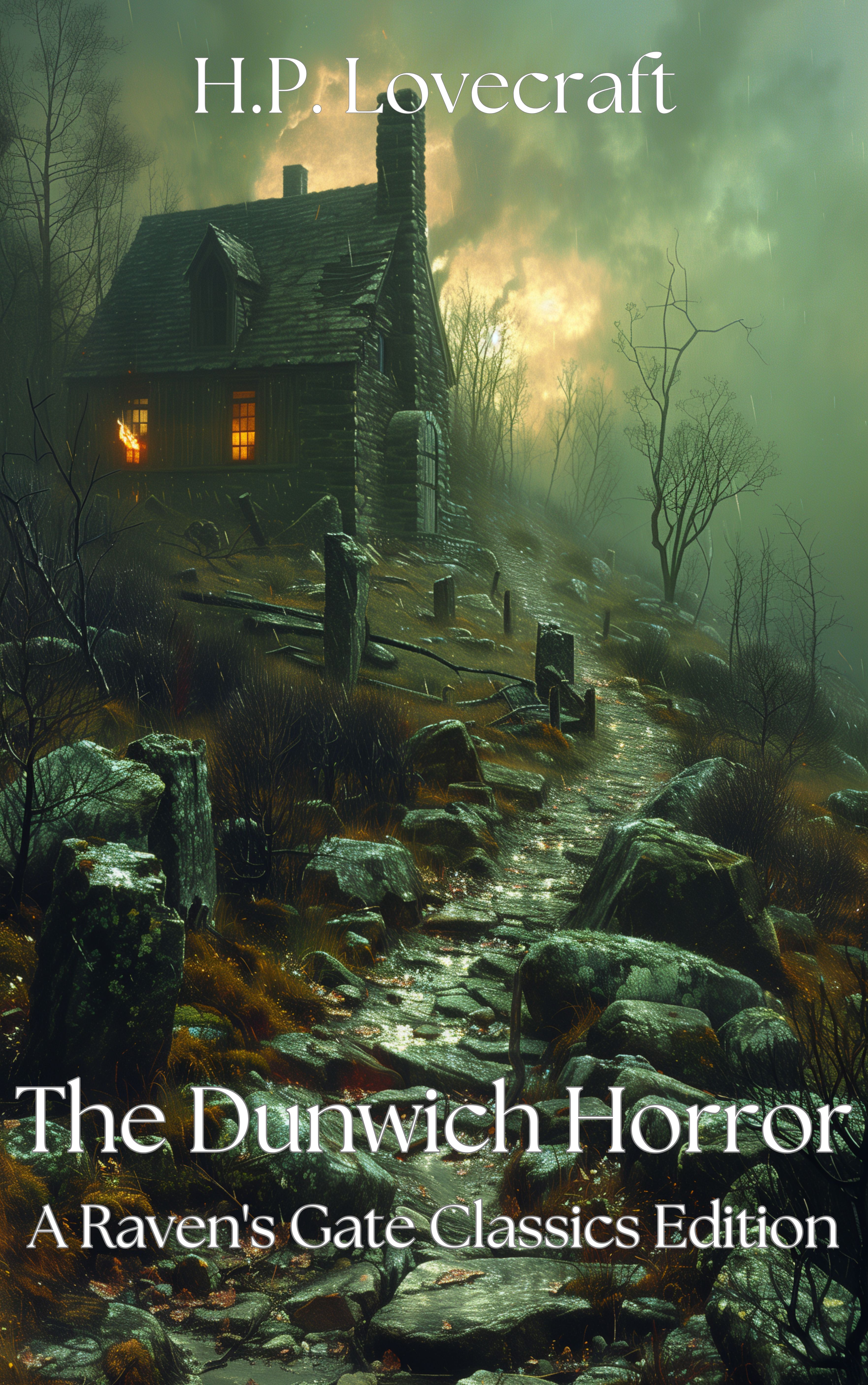
The Dunwich Horror
H. P. Lovecraft
In the decaying village of Dunwich, Massachusetts, something terrible is growing in the Whateley farmhouse. Wilbur Whateley was born under strange circumstances and grew at an unnatural rate. His grandfather fills him with forbidden knowledge from ancient texts. And something else lives in the farmhouse—something that must be fed, something that grows larger every year, something that will eventually break free. H.P. Lovecraft's 1929 novella is one of his most action-packed tales, culminating in a desperate battle against a horror that defies description. A Raven's Gate Classics edition with atmospheric new cover art.
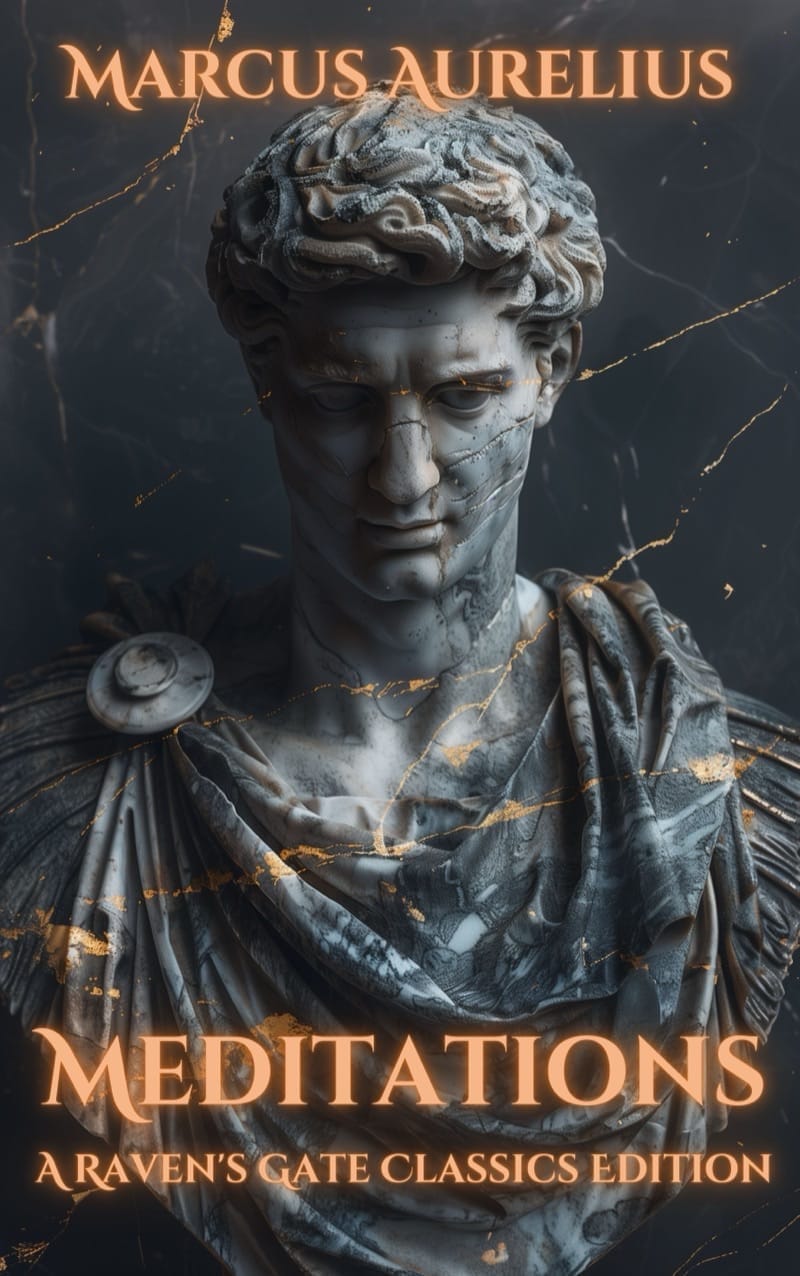
Meditations
Marcus Aurelius
A Roman emperor, camped on the frozen Danube fighting barbarian tribes, wrote private notes to himself about how to face death, how to stop being angry, and how to get out of bed in the morning. He never meant for anyone to read them. Nearly two thousand years later, the Meditations remains one of the most influential books ever written. Marcus Aurelius ruled during plague, war, and betrayal. His philosophy told him that none of it was under his control, that his only obligation was to do his duty and accept what came. These twelve books of self-exhortation are not a polished treatise. They repeat, they circle, they argue with themselves. That is what makes them feel so real. This is not a lecture. This is a man holding himself together. This Raven's Gate Classics edition presents the Meric Casaubon translation of 1634, the first English rendering, whose archaic prose preserves the strangeness and density of the original Greek in ways modern translations smooth away.
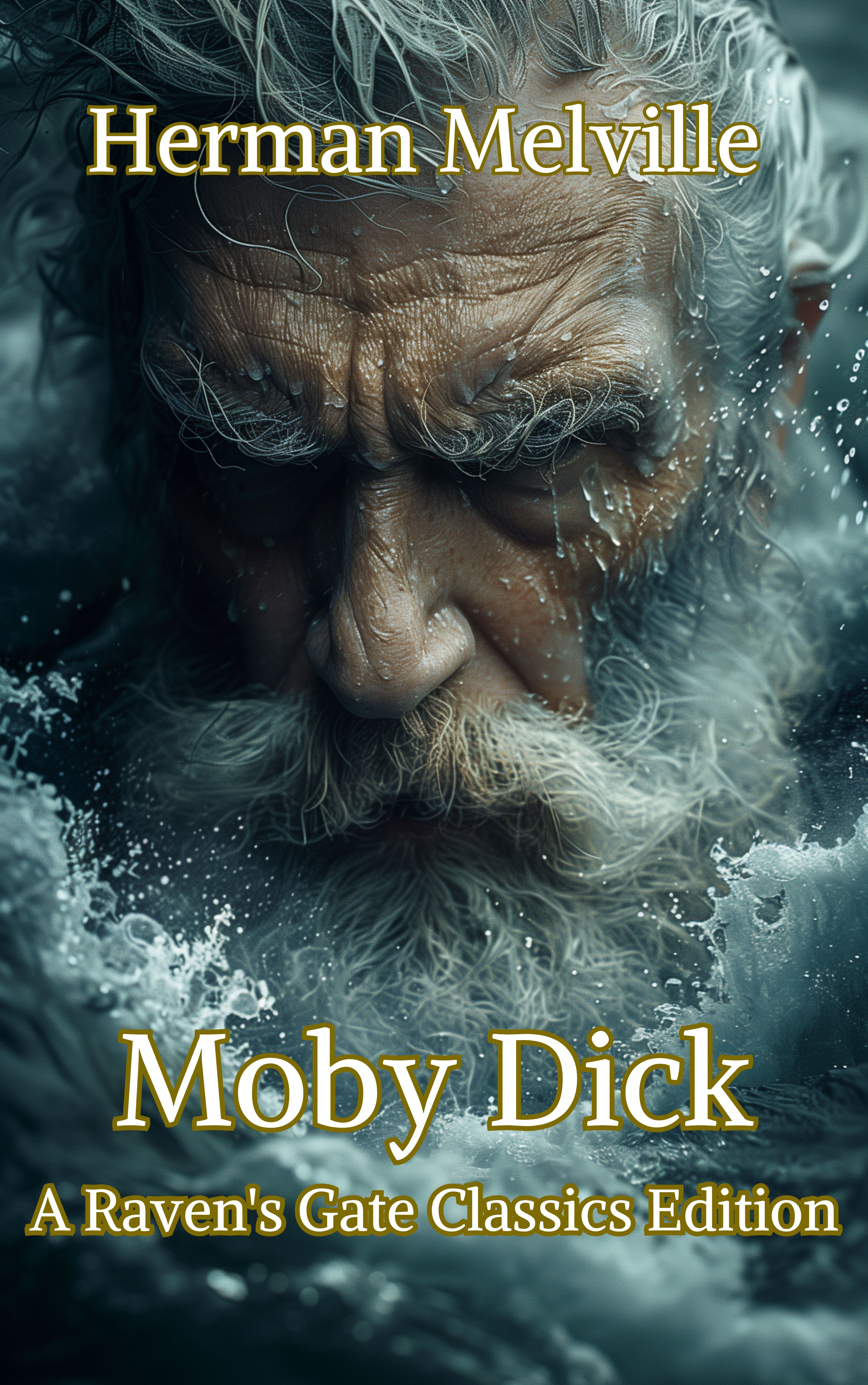
Moby Dick
Herman Melville
Herman Melville's 1851 epic is the great American novel of obsession—a man's monomaniacal pursuit of the white whale that took his leg. Captain Ahab drives the Pequod and its crew across the world's oceans in his quest for vengeance against Moby Dick, the legendary sperm whale. But this is far more than an adventure story: it's a meditation on fate and free will, good and evil, the limits of human knowledge, and man's place in an indifferent universe. Ishmael's narrative encompasses everything from cetology to philosophy, from comedy to tragedy. A Raven's Gate Classics edition with powerful new cover art.
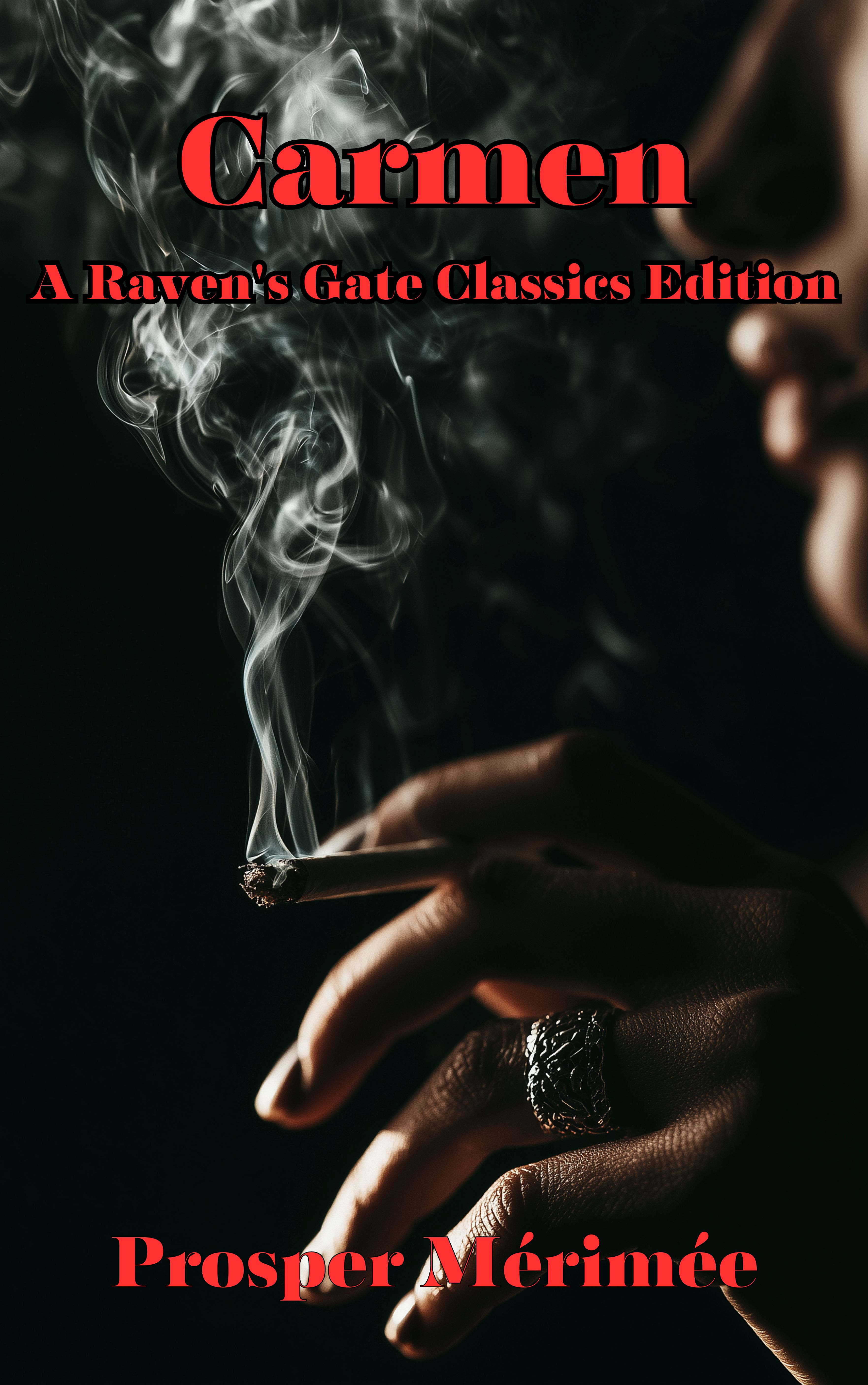
Carmen
Prosper Merimee
Prosper Mérimée's 1845 novella gave the world one of literature's most unforgettable femmes fatales—the fiercely independent Romani woman whose passion and freedom would inspire Bizet's famous opera. A soldier named Don José falls hopelessly under Carmen's spell, abandoning his duty, his honor, and ultimately his sanity in pursuit of a woman who refuses to be possessed by any man. Set against the smoky taverns and sun-scorched mountains of Andalusia, Carmen is a tale of obsessive love, jealousy, and violence that remains as searing today as when it first scandalized readers. A Raven's Gate Classics edition with sultry new cover art.
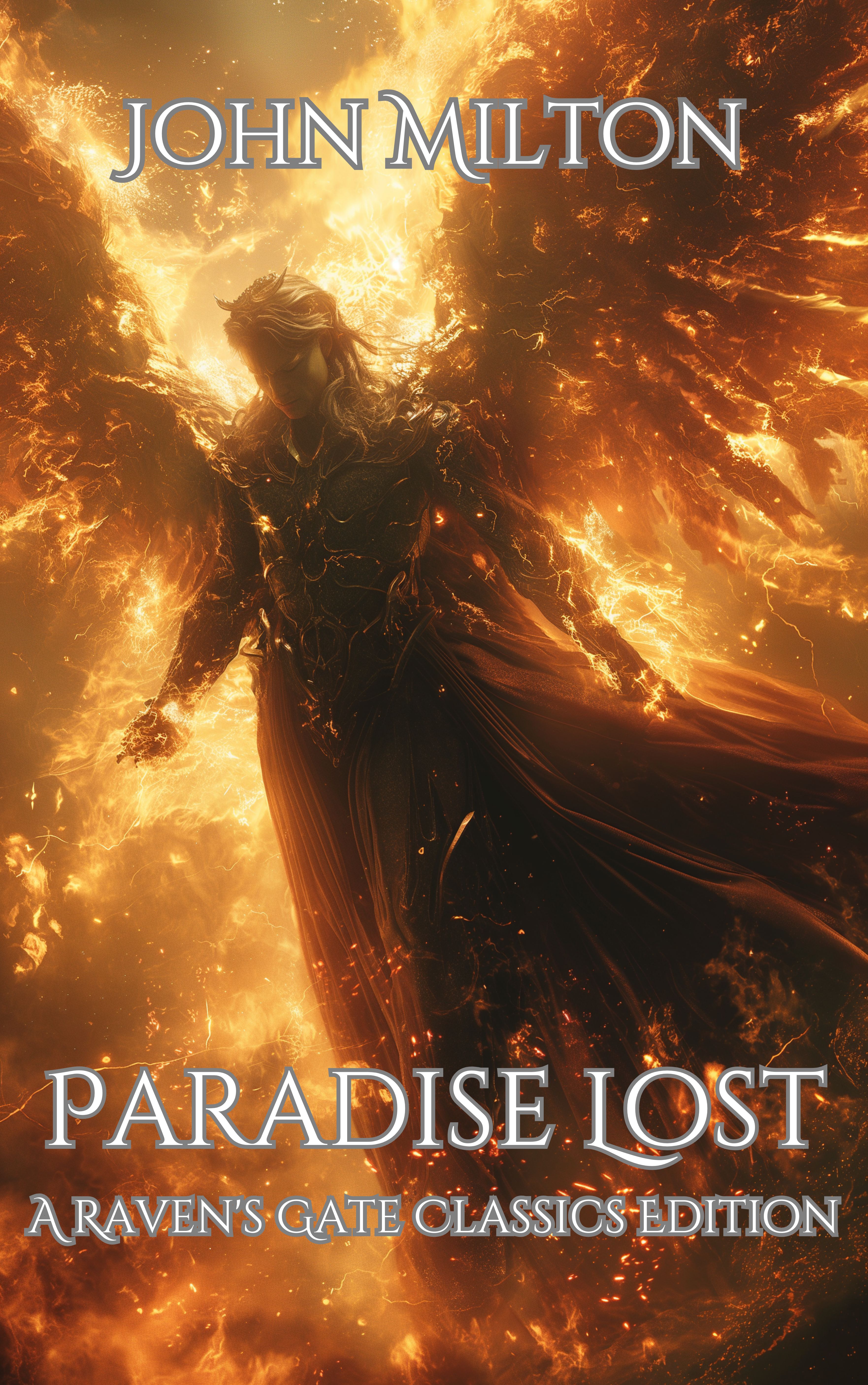
Paradise Lost
John Milton
John Milton's 1667 epic poem is one of the greatest works in the English language—a retelling of the Fall of Man that made Satan literature's most compelling antihero. From the war in Heaven to the temptation in Eden, Milton's blank verse achieves a grandeur unmatched in English poetry. Satan's defiant cry that it is 'better to reign in Hell than serve in Heaven' has echoed through centuries of literature. Whether read as Christian theology, political allegory, or the original dark fantasy, Paradise Lost remains an inexhaustible masterpiece. A Raven's Gate Classics edition with dramatic new cover art.
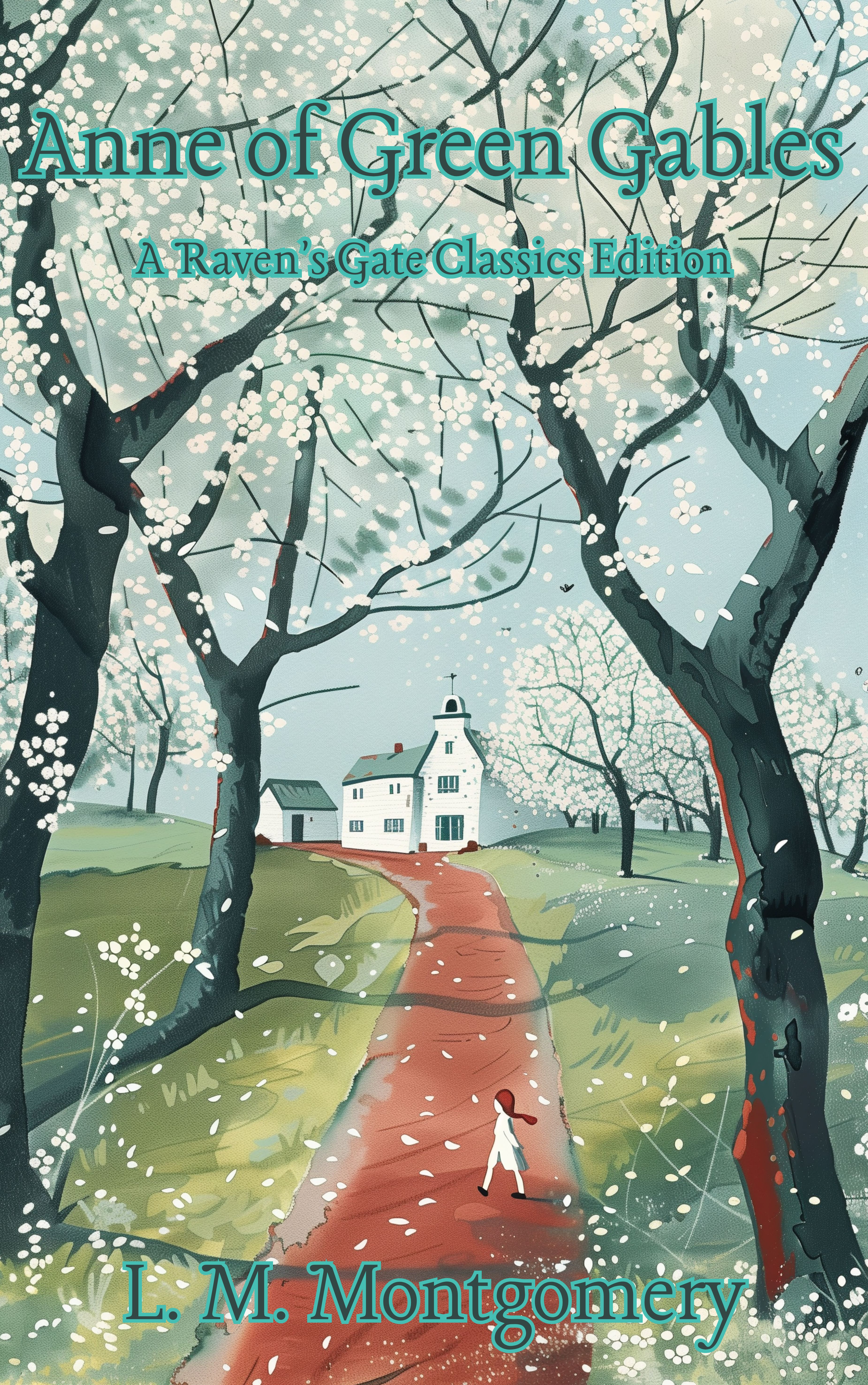
Anne of Green Gables
L. M. Montgomery
L. M. Montgomery's beloved 1908 novel introduces one of literature's most cherished heroines. When elderly siblings Marilla and Matthew Cuthbert send for a boy orphan to help on their Prince Edward Island farm, they instead receive Anne Shirley—a talkative, imaginative, red-haired girl with a gift for getting into 'scrapes' and a boundless love of life. Over the years, Anne charms the community of Avonlea, forms a fierce rivalry-turned-friendship with Gilbert Blythe, and transforms the lives of everyone she touches. A timeless story of belonging, imagination, and growing up that has enchanted readers of all ages for over a century. A Raven's Gate Classics edition with charming new cover art.
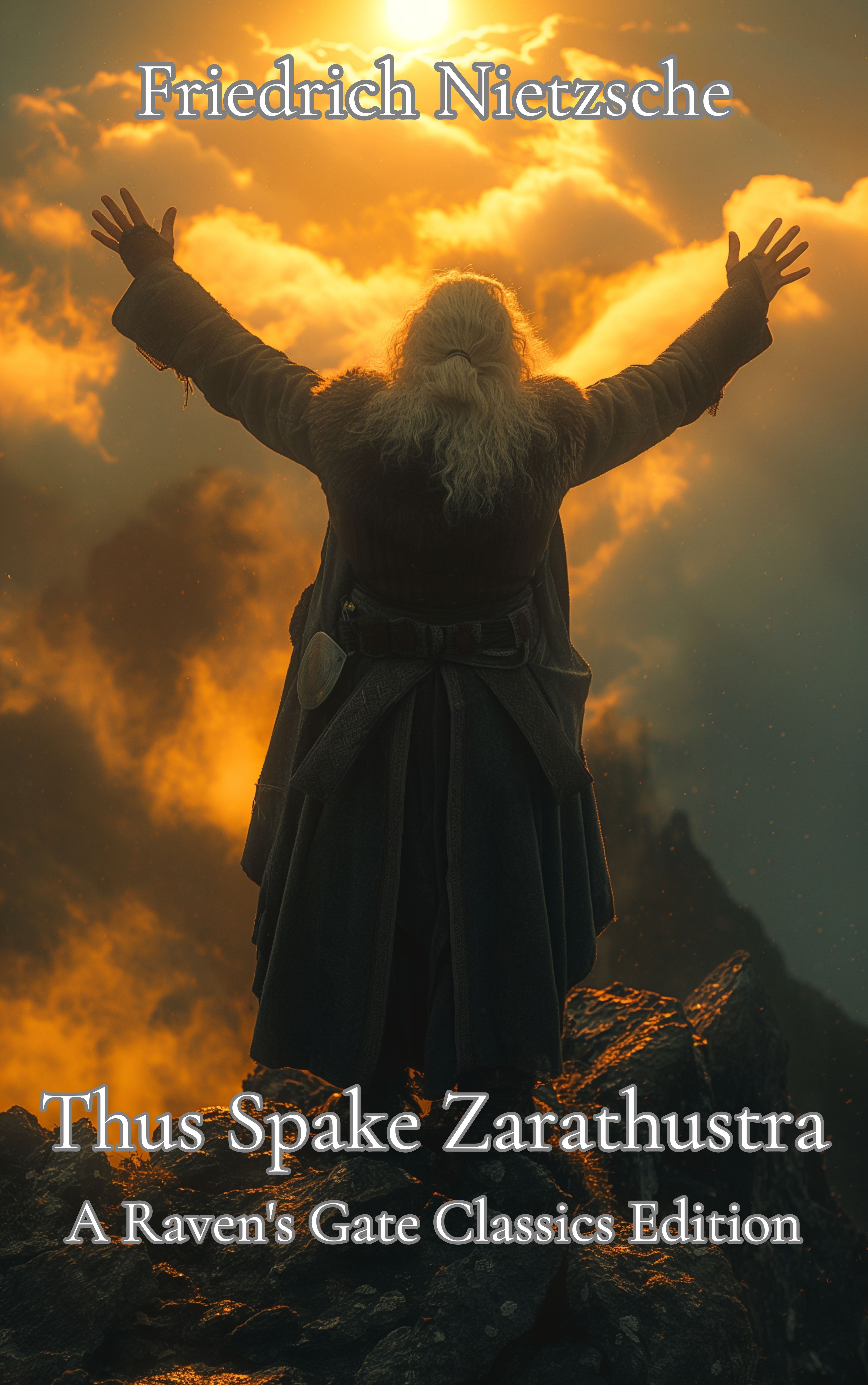
Thus Spake Zarathustra
Friedrich Nietzsche
Friedrich Nietzsche's most famous work is a philosophical novel unlike anything written before or since. The prophet Zarathustra descends from his mountain solitude to teach humanity about the Übermensch—the higher human who creates their own values and lives beyond conventional morality. In prose that soars from lyrical beauty to thunderous pronouncement, Nietzsche declares that 'God is dead' and challenges readers to face the terrifying freedom this creates. Part poetry, part philosophy, part prophecy, Zarathustra contains Nietzsche's most influential ideas: eternal recurrence, the will to power, and the call to become who you truly are. A Raven's Gate Classics edition.
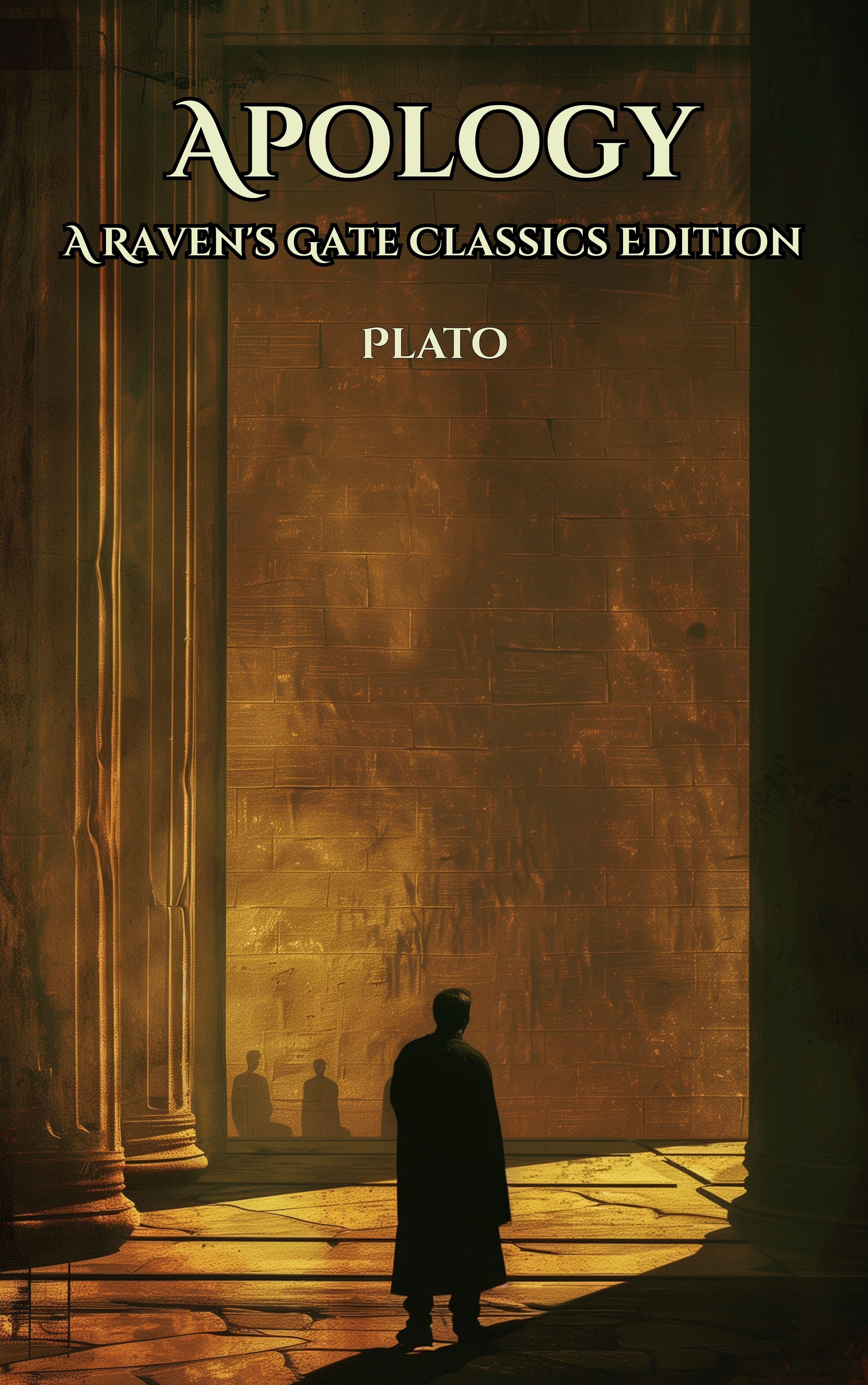
Apology
Plato
Plato's Apology is one of the foundational texts of Western philosophy—a dramatic account of the trial of Socrates in 399 BC, when the great philosopher stood before an Athenian jury accused of impiety and corrupting the youth of the city. Far from offering a conventional apology, Socrates delivers a fearless defense of his life's mission: to question relentlessly, to expose ignorance, and to pursue wisdom above all else. Declaring that 'the unexamined life is not worth living,' he refuses to abandon his principles even in the face of death. A profound meditation on truth, conscience, and moral courage that has resonated for over two thousand years. A Raven's Gate Classics edition with atmospheric new cover art.
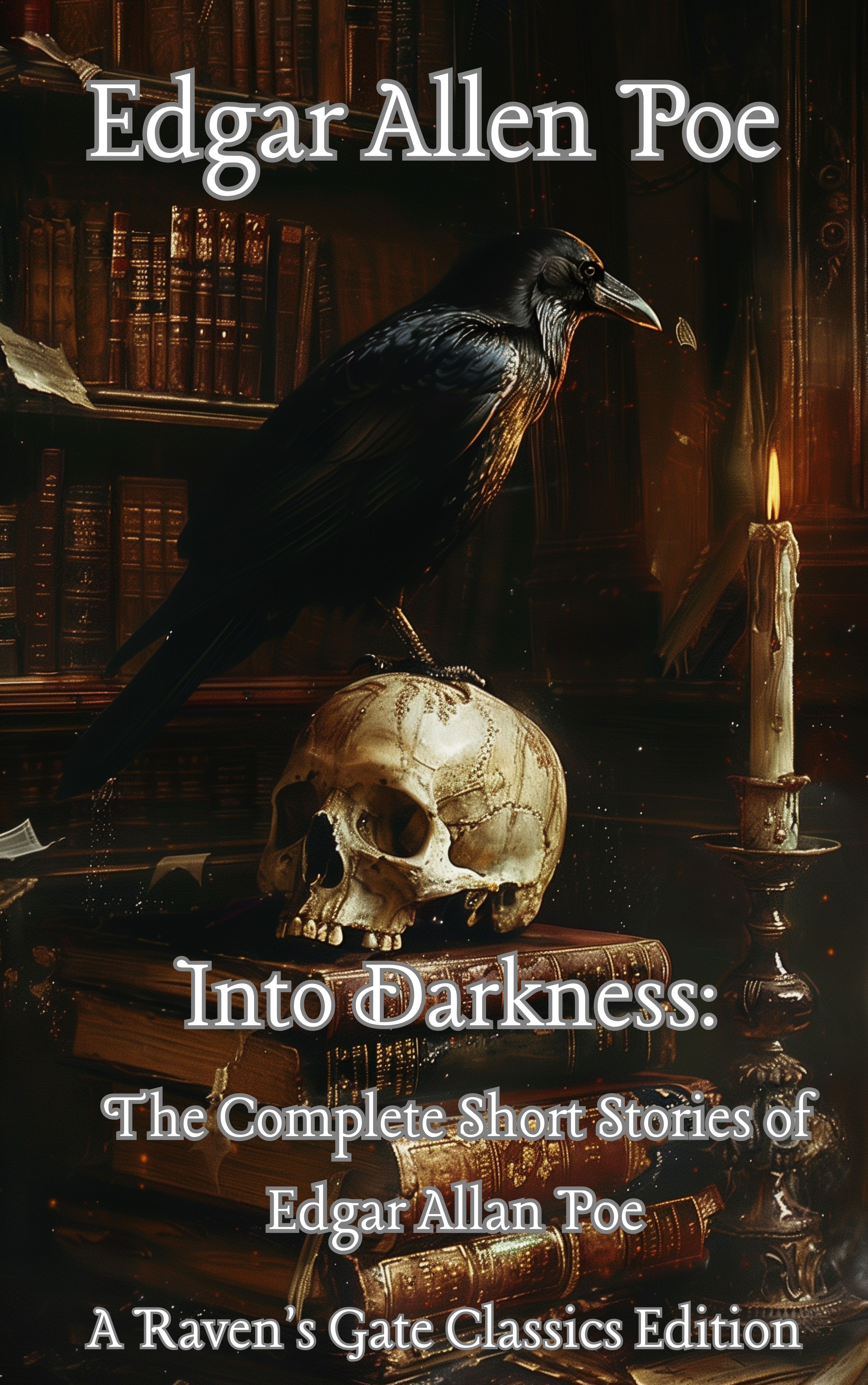
Into Darkness: The Complete Short Stories of Edgar Allan Poe
Edgar Allan Poe
Every tale of terror. Every mystery. Every descent into madness. This definitive collection gathers all of Edgar Allan Poe's short fiction—the works that invented the detective story, perfected the horror tale, and created American Gothic literature. From the relentless beating beneath the floorboards in 'The Tell-Tale Heart' to the aristocratic decay of 'The Fall of the House of Usher,' from the logical brilliance of C. Auguste Dupin to the nightmare logic of 'The Masque of the Red Death,' these stories have haunted readers for nearly two centuries. A Raven's Gate Classics edition with atmospheric new cover art worthy of the master of the macabre.
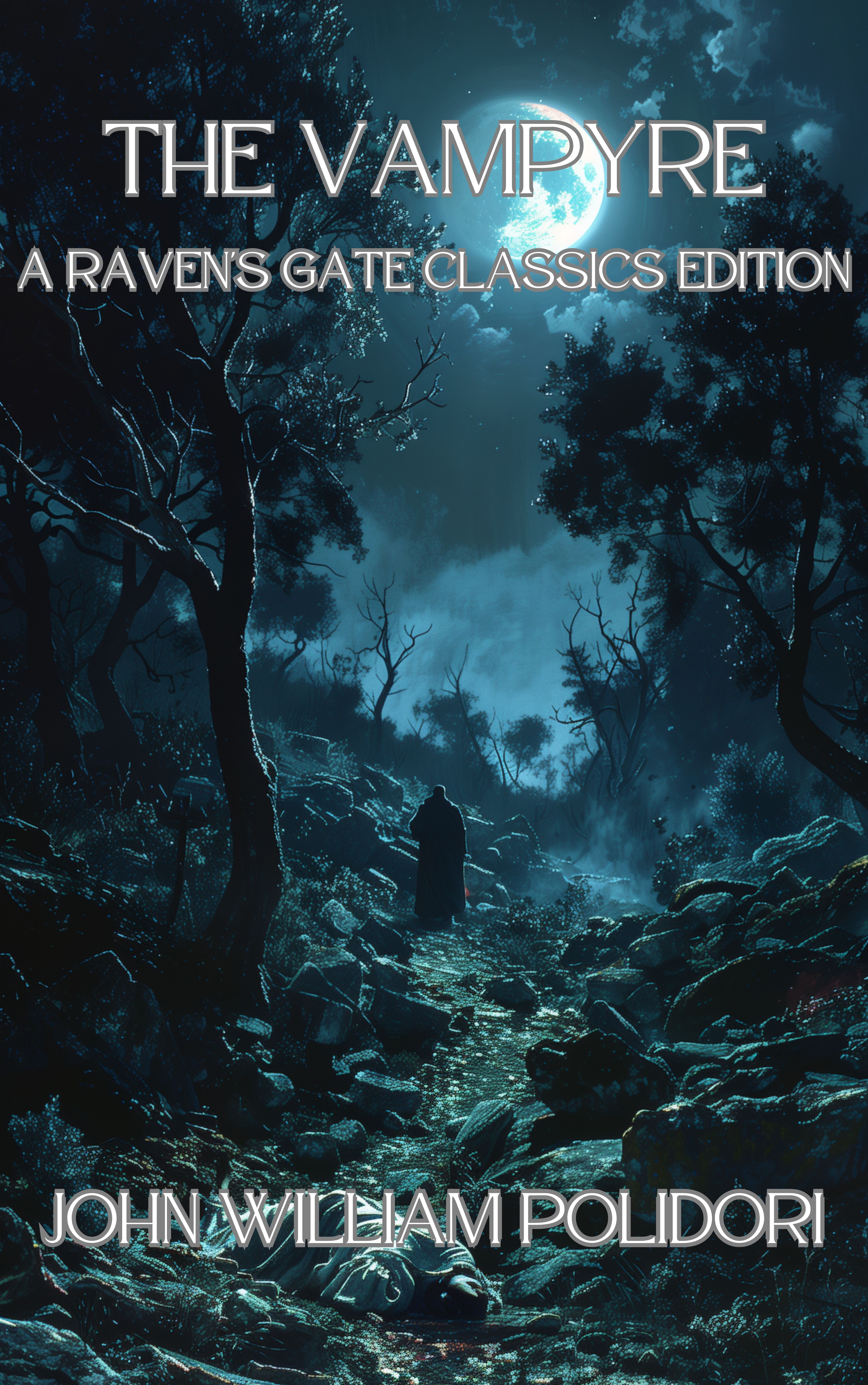
The Vampyre
John Polidori
John William Polidori's 1819 short story created the vampire as we know it—the aristocratic, seductive predator who moves through high society leaving death in his wake. Lord Ruthven is charming, mysterious, and utterly without conscience. When young Aubrey travels with him through Europe, he slowly discovers the terrible truth about his companion—but by then it may be too late. Written during the same legendary gathering at Villa Diodati that produced Frankenstein, The Vampyre established the template that Bram Stoker, Anne Rice, and countless others would follow. The first vampire story in English literature. A Raven's Gate Classics edition.
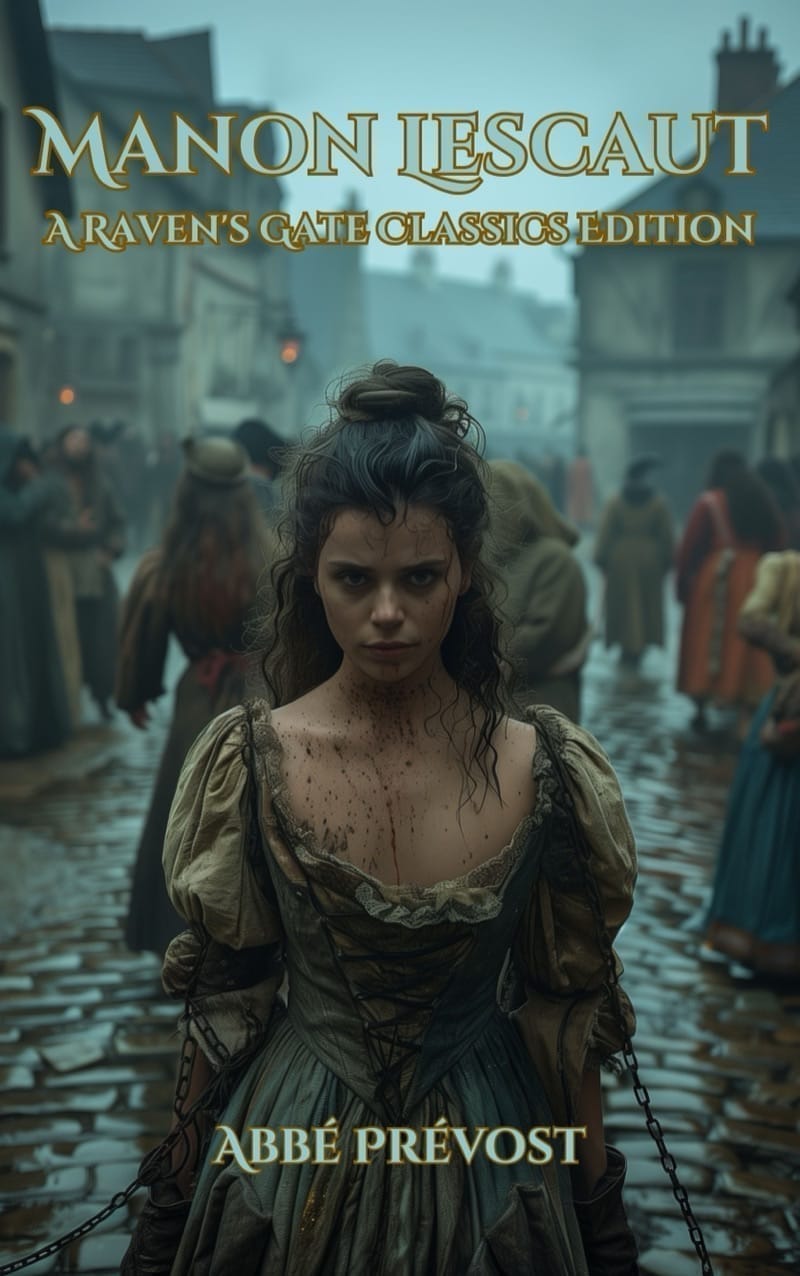
Manon Lescaut
Abbe Prevost
In 1731, a runaway priest published a short novel about a young man who destroys his life for a woman who will never stop betraying him. The authorities burned it. Readers devoured it. Nearly three centuries later, it remains one of the most ruthless portraits of obsessive love ever written. The Chevalier des Grieux is seventeen when he meets Manon Lescaut. Within hours he has abandoned his family, his education, and his future. What follows is a downward spiral through gambling, theft, fraud, prison, and exile, all narrated by des Grieux himself in a voice so persuasive you almost forget that he is the architect of his own ruin. Manon is beautiful, faithless, practical, and almost entirely silent. We know her only through the words of the man who loves her. A novel about the gap between knowing better and doing better. Some gaps never close. A Raven's Gate Classics edition.
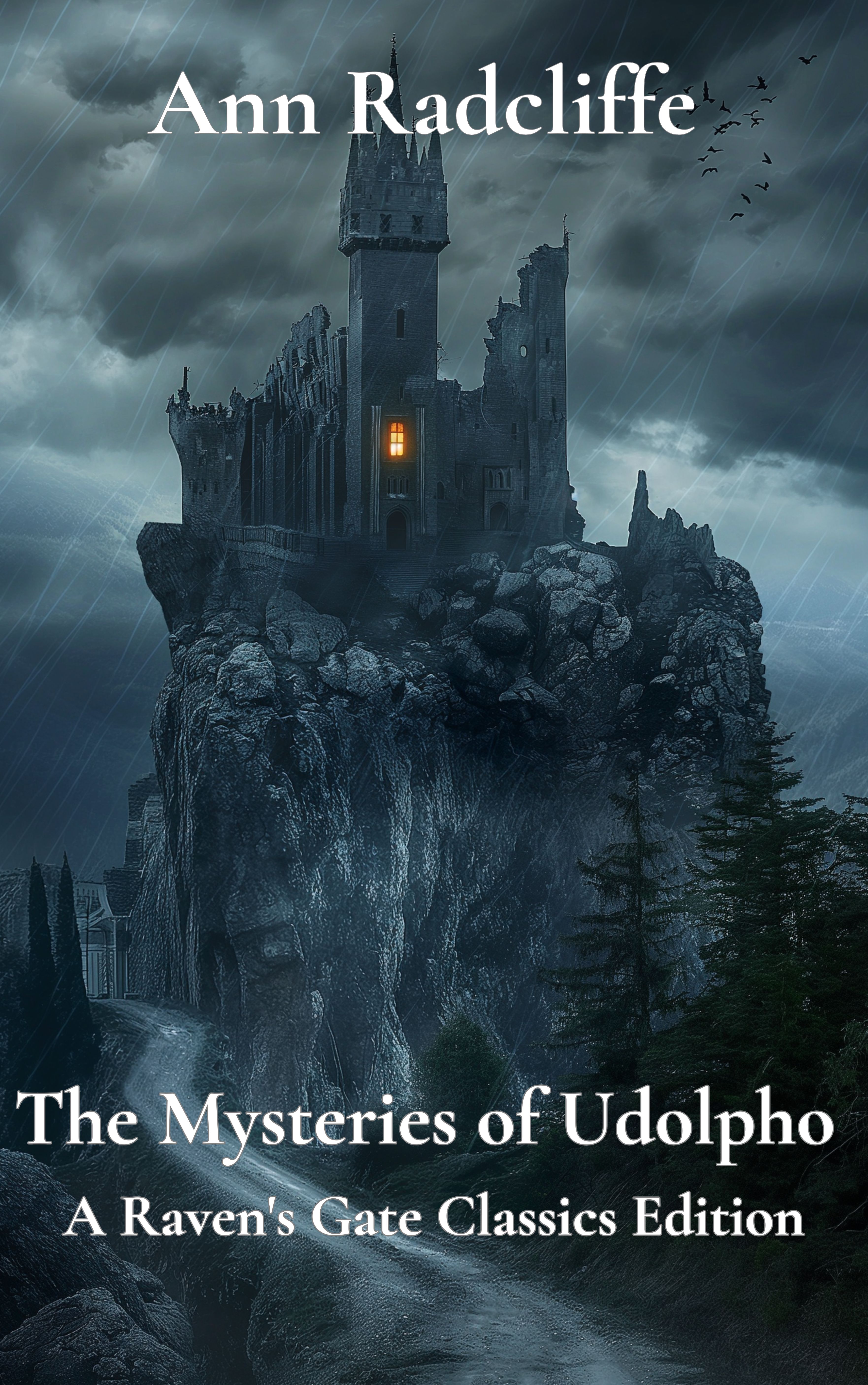
The Mysteries of Udolpho
Ann Radcliffe
Ann Radcliffe's 1794 novel defined the Gothic genre and influenced every horror writer who followed. Emily St. Aubert is a young woman of sensibility trapped in the remote Castle Udolpho by her villainous uncle and his sinister companion. Behind the castle's ancient walls lie terrible secrets: mysterious music in empty corridors, a veiled picture too horrible to behold, and the threat of a forced marriage to a man she despises. Radcliffe invented the atmospheric Gothic novel—the crumbling castle, the innocent heroine, the tyrannical villain, the supernatural that may or may not be real. A Raven's Gate Classics edition with haunting new cover art.
Frankenstein; or, The Modern Prometheus
Mary Shelley
Mary Shelley's 1818 masterpiece remains the most influential science fiction novel ever written—and the most misunderstood. This is not the story of a monster, but of its creator: Victor Frankenstein, whose obsessive pursuit of forbidden knowledge births a creature of superhuman intelligence and sensitivity, then abandons it to a world that can only see its hideous form. What follows is a tragedy of loneliness, rejection, and revenge that asks questions we still cannot answer: What do we owe to that which we create? What makes a monster? Presented in a stunning Raven's Gate Classics edition.
The Adventures of Ferdinand Count Fathom
Tobias Smollett
Tobias Smollett's 1753 novel is one of the darkest and most influential works of the early Gothic tradition. It follows the life of Ferdinand Count Fathom, a charming and utterly amoral villain who cuts a swath of deception, seduction, and betrayal across Europe. Smollett's portrait of a remorseless confidence man is unflinching, and the novel's famous scene in the robber's forest cottage—where the hero spends a night of mounting terror among murderers—directly inspired the Gothic novelists who followed. A pioneering study of villainy that influenced generations of horror and crime fiction. A Raven's Gate Classics edition with atmospheric new cover art.
Oedipus Rex
Sophocles
Sophocles's tragic masterpiece is perhaps the most influential drama ever written. When a plague ravages the city of Thebes, King Oedipus vows to find and punish the murderer of the previous king, Laius, whose death has cursed the land. As Oedipus relentlessly pursues the truth, he uncovers a horrifying prophecy fulfilled—that he has unknowingly killed his own father and married his own mother. A devastating exploration of fate, free will, and the limits of human knowledge, Oedipus Rex gave us the very model of tragic irony and remains as shattering today as it was in ancient Athens. A Raven's Gate Classics edition with ominous new cover art.
Kidnapped
Robert Louis Stevenson
David Balfour is seventeen, orphaned, and walking toward an inheritance he does not know he has. Within days he will be cheated by his uncle, kidnapped onto a slave ship, shipwrecked on the Scottish coast, and thrown into the company of Alan Breck Stewart, a Highland Jacobite fugitive who is the most charming, reckless, and infuriating companion in English fiction. Their flight across the Highlands after the Appin murder is one of the great journeys in literature, and the friendship they forge in the process is the real treasure Stevenson was after. Written in 1886 at the peak of Stevenson's powers, Kidnapped combines the pace of Treasure Island with a depth of characterization that makes it his most complete achievement as a novelist. A Raven's Gate Classics edition with Fanny Stevenson's Preface and the complete unaltered text.
The Strange Case of Dr. Jekyll and Mr. Hyde
Robert Louis Stevenson
Robert Louis Stevenson's 1886 gothic novella remains the definitive exploration of humanity's dual nature. When the respectable Dr. Henry Jekyll discovers a formula that separates his good and evil selves, he unleashes Mr. Hyde—a creature of pure malevolence who prowls the fog-shrouded streets of Victorian London. This chilling tale of science gone wrong and the monster that lurks within us all has become so embedded in our culture that its central twist is now common knowledge, yet its power to disturb remains undiminished. A Raven's Gate Classics edition.
Treasure Island
Robert Louis Stevenson
Every pirate story you have ever read, watched, or played exists because of this book. The treasure map. The one-legged sea cook. The black spot. "Fifteen men on the dead man's chest." Robert Louis Stevenson invented all of it in 1881, writing a chapter a day to entertain his twelve-year-old stepson, and accidentally created the most influential adventure novel in the English language. Jim Hawkins finds a dead man's map and sails into a world of mutiny, murder, and buried gold. The voyage is fast, violent, and morally complicated in ways that most adventure stories never dare to be. Long John Silver, the novel's villain, is also its most magnetic character, and the tension between Jim's admiration and his terror is the engine that drives the book far beyond genre. This Raven's Gate Classics edition includes the complete text with Stevenson's original dedication and verse prologue. The back matter traces Stevenson's life from his sickbed childhood in Edinburgh through his bohemian years in Europe, his desperate transatlantic pursuit of the woman he loved, and his final years in Samoa, where the islanders carried his body to the mountaintop on their shoulders. Commentary explores Silver's enduring charm, Jim's voice, the novel's structure, and why Stevenson trusted young readers to handle a story with no moral and a villain who gets away.

Dracula
Bram Stoker
Bram Stoker's 1897 gothic horror novel defined the modern vampire and created a cultural icon that has never died. Told through letters, diary entries, and newspaper clippings, this epistolary masterpiece follows Jonathan Harker's terrifying visit to a Transylvanian castle and the subsequent invasion of England by the ancient Count Dracula. Van Helsing, Mina, and their band of vampire hunters must race against time to stop the spread of undeath. This Raven's Gate Classics edition presents Stoker's complete, unabridged text with a striking new cover.
The Lair of the White Worm
Bram Stoker
Bram Stoker's final novel is a fever dream of English folk horror. Adam Salton returns to his ancestral home in Derbyshire to find the countryside terrorized by Lady Arabella March—a woman who may be the human form of an ancient serpent dwelling in the depths of a nearby well. As Adam investigates, he uncovers a web of mesmerism, madness, and prehistoric evil. Written in the last year of Stoker's life, The Lair of the White Worm is his strangest and most hallucinatory work—a vision of primal horror lurking beneath the English countryside. A Raven's Gate Classics edition.
Anna Karenina
Leo Tolstoy
Leo Tolstoy's monumental novel opens with one of literature's most famous lines: 'Happy families are all alike; every unhappy family is unhappy in its own way.' At its center is Anna Karenina, a beautiful, married St. Petersburg aristocrat who embarks on a passionate and scandalous affair with the dashing Count Vronsky—a love that brings her both ecstasy and ruin in the rigid, hypocritical world of Imperial Russia. Interwoven with Anna's tragedy is the parallel story of Levin, a soul-searching landowner whose quest for meaning mirrors Tolstoy's own. A sweeping masterpiece of love, fidelity, society, and the search for happiness. A Raven's Gate Classics edition with evocative new cover art.

War and Peace
Leo Tolstoy
Tolstoy set out to write a novel about the Napoleonic Wars. He wrote the longest great novel in any language instead. War and Peace follows three aristocratic Russian families — the Rostovs, the Bolkonskys and the Bezukhovs — through the years 1805 to 1820, from the first campaigns against Napoleon through the burning of Moscow, the catastrophic French retreat, and the uneasy peace that followed. Pierre Bezukhov, the fat, awkward heir who cannot figure out what his life is for. Prince Andrei Bolkonsky, brilliant and cold, chasing glory and finding an infinite sky. Natasha Rostova, the most alive character in fiction, who enters at thirteen laughing and leaves the novel as a mother who has forgotten how to sing. Around them, five hundred named characters live, argue, fall in love, betray each other, and die on battlefields that Tolstoy renders with a realism no one had achieved before and very few have matched since. This is also a novel about ideas. Tolstoy's philosophy of history — that great men do not shape events, that Napoleon was carried by forces he could not control, that what we call free will is a story we tell ourselves afterward — runs through the narrative and dominates the Second Epilogue. The philosophy contradicts the novel's own characters, who live as though their choices matter. Tolstoy held both truths at once. He did not blink. This Raven's Gate Classics edition uses the Maude translation, completed by Louise and Aylmer Maude, English friends of Tolstoy who lived in Russia and whose work Tolstoy himself reviewed and approved. The edition includes a modern introduction, a biography covering Tolstoy's life from Yasnaya Polyana through his midnight flight and death at Astapovo station, commentary and analysis on the novel's major characters, battle scenes and philosophical arguments, a legacy essay tracing the novel's influence from Proust and Woolf through Grossman's Life and Fate, and annotated further reading. No study guides. No chapter summaries. No academic apparatus. Just the mountain, and the tools to climb it.
Adventures of Huckleberry Finn
Mark Twain
Mark Twain's American masterpiece—called by Hemingway the source of 'all modern American literature'—follows the irrepressible Huck Finn as he fakes his own death to escape his abusive father and lights out down the Mississippi River on a raft. His companion is Jim, an escaped slave seeking freedom, and together they drift through a vivid, often dangerous landscape of con men, feuding families, and moral reckoning. Told in Huck's unforgettable voice, the novel is at once a rollicking adventure and a profound, subversive examination of conscience, race, and freedom in pre-Civil War America. A Raven's Gate Classics edition with atmospheric new cover art.
A Journey to the Centre of the Earth
Jules Verne
An eccentric German professor decodes a three-hundred-year-old message hidden in a runic manuscript. It claims the center of the Earth can be reached through the crater of an Icelandic volcano. He drags his terrified nephew along. They descend. What they find beneath the surface of the planet is one of the most extraordinary visions in nineteenth-century literature: underground seas, prehistoric forests, creatures that should have been extinct for sixty million years, and a darkness so absolute it rewrites everything they thought they knew about the world. Jules Verne published this in 1864, only his second novel, and it established the template for everything that followed: real science made into real adventure, delivered at a pace that never lets the reader look away. The relationship between the obsessive professor and his reluctant nephew remains one of the great double acts in fiction. A Raven's Gate Classics edition.
Around the World in Eighty Days
Jules Verne
Jules Verne's beloved adventure follows the imperturbable English gentleman Phileas Fogg, who wagers half his fortune that he can circumnavigate the globe in just eighty days. Accompanied by his resourceful French valet Passepartout, Fogg races against the clock by steamship, railway, sailboat, and even elephant—braving storms, rescuing a princess from peril, and dodging a detective who believes him to be a bank robber. From the bustle of Victorian London to the jungles of India and the American frontier, this thrilling, witty tale of ingenuity and determination has captivated readers for over 150 years. A Raven's Gate Classics edition with adventurous new cover art.
The Aeneid
Virgil
Virgil's masterpiece is the great national epic of Rome—the story of Aeneas, the Trojan hero who fled the burning city of Troy to found a new civilization in Italy. Guided by fate and harried by the vengeful goddess Juno, Aeneas leads his people across treacherous seas, falls into a doomed love affair with Queen Dido of Carthage, journeys into the underworld to meet the spirits of the dead, and wages war to claim his destined homeland. Written in the age of Augustus, The Aeneid is a profound meditation on duty, sacrifice, and the terrible cost of empire. A Raven's Gate Classics edition with dramatic new cover art.
Candide
Voltaire
Voltaire's biting satirical masterpiece follows the naive young Candide, raised to believe—on the authority of his tutor Dr. Pangloss—that they live in 'the best of all possible worlds.' Expelled from his sheltered home, Candide is hurled into a world of war, earthquakes, slavery, betrayal, and disaster, his sunny optimism tested at every brutal turn. With savage wit and breakneck pace, Voltaire skewers philosophical complacency, religious hypocrisy, and human cruelty, before arriving at the famous, hard-won conclusion that 'we must cultivate our garden.' One of the sharpest and most enduring works of the Enlightenment. A Raven's Gate Classics edition with luminous new cover art.
The Castle of Otranto
Horace Walpole
Horace Walpole's 1764 novella invented the Gothic novel—and every haunted castle, mysterious prophecy, and endangered heroine in literature descends from it. When a giant helmet falls from the sky and crushes the heir of Otranto on his wedding day, it sets in motion a tale of usurpation, supernatural terror, and dark family secrets. The tyrant Manfred will stop at nothing to secure his dynasty, pursuing the innocent Isabella through secret passages and underground vaults. Walpole wrote Otranto as a literary experiment, blending medieval romance with modern fiction. The result launched an entire genre. A Raven's Gate Classics edition with atmospheric new cover art.
The Invisible Man
H. G. Wells
H.G. Wells's 1897 scientific romance is a chilling study of what happens when a brilliant man gains ultimate power—and loses his humanity in the process. Griffin is a scientist who has discovered the secret of invisibility, but his triumph quickly becomes a nightmare. Unable to reverse the process and increasingly unhinged by his condition, Griffin descends into madness and violence, terrorizing a small English village. Part horror story, part scientific speculation, part social commentary, The Invisible Man explores themes of alienation, power, and the dark side of scientific progress that feel even more relevant today. A Raven's Gate Classics edition with haunting new cover art.
The Island of Doctor Moreau
H. G. Wells
H.G. Wells's 1896 novel is a disturbing exploration of science without ethics—and the thin line between human and beast. Edward Prendick, shipwrecked on a remote Pacific island, discovers that the reclusive Dr. Moreau has been surgically transforming animals into humanoid creatures. The Beast Folk live in terror of their creator, bound by laws they struggle to obey as their animal natures reassert themselves. Wells's nightmare vision of vivisection and forced evolution remains shocking, raising questions about what makes us human that biotechnology makes more urgent than ever. A Raven's Gate Classics edition.

The Time Machine
H. G. Wells
H.G. Wells's 1895 novella invented time travel as we know it—and remains one of the most influential works of science fiction ever written. A Victorian scientist builds a machine that carries him to the year 802,701 AD, where he discovers humanity has evolved into two species: the childlike Eloi who live in apparent paradise above ground, and the monstrous Morlocks who dwell in darkness below. But the relationship between these two peoples is far more terrible than it first appears. Part adventure, part social allegory, part meditation on the ultimate fate of humanity, The Time Machine still has the power to thrill and disturb. A Raven's Gate Classics edition.
The War of the Worlds
H. G. Wells
H.G. Wells's 1898 novel invented the alien invasion story and remains its definitive expression. When cylinders from Mars crash into the English countryside, they disgorge tripod fighting machines armed with heat rays and poison gas. Victorian England's mighty military is helpless against the Martian onslaught. As cities burn and civilization collapses, one man struggles to survive and reunite with his wife. Wells wrote War of the Worlds as a critique of British colonialism—what would it feel like, he asked, to be on the receiving end of technological conquest? The answer still resonates. A Raven's Gate Classics edition with apocalyptic new cover art.
The Age of Innocence
Edith Wharton
Newland Archer is engaged to the perfect woman. May Welland is beautiful, well-bred, and untroubling. Their marriage will be the event of the season. Old New York approves. Then May's cousin walks into the opera box, and Archer's carefully arranged life begins to crack. Countess Ellen Olenska has left her husband in Europe and returned to New York seeking refuge. She is everything Archer's world distrusts: independent, unconventional, foreign in manner if not in blood. She is also the first person who has ever made Archer feel genuinely alive. What follows is not a melodrama of passion and ruin but something far more unsettling: a story about a man who sees his cage clearly and cannot make himself leave it. Edith Wharton published the novel in 1920, looking back at the 1870s society of her parents from the wreckage of the First World War. She wrote an autopsy of a civilization, and the corpse is gorgeous. Every dinner party is a political act. Every bouquet carries intelligence. Every silence lands harder than speech. The Pulitzer committee gave it their prize in 1921, the first time the award went to a woman. The novel earned it by being pitiless and beautiful in equal measure. This Raven's Gate Classics edition includes the complete, unaltered text of the 1920 first edition across all thirty-four chapters. A biography of Edith Wharton covers the full arc of her life: the stifling childhood in Old New York society, the disastrous marriage to Teddy Wharton, the intellectual awakening and the affair with Morton Fullerton, the move to France, the extraordinary war relief work and the Legion of Honour, the late creative flowering, and the death at seventy-five in Saint-Brice-sous-Foret. Commentary covers the architecture of social entrapment and how Wharton builds the cage before the reader sees it, the triangle of Archer, May and Ellen and why none of them is hero or villain, the anthropology of manners and Wharton's ethnographic method, the devastating final chapter and why Archer stays on the bench, and the prose style as an instrument of irony operating at the level of the sentence. Curated further reading includes the Lewis and Hermione Lee biographies, Cynthia Griffin Wolff's critical study, and Wharton's essential companion novels. No summaries. No study questions. No academic gatekeeping. Just the novel that dissected American manners with surgical precision, and the context to understand the woman who escaped the world she anatomized.
The Age of Innocence
Edith Wharton
Edith Wharton's Pulitzer Prize-winning masterpiece is a devastating portrait of Gilded Age New York—and the impossible choice between passion and duty. Newland Archer is a proper young gentleman engaged to the perfect society bride when her cousin, the scandalous Countess Olenska, returns from Europe. Ellen Olenska has fled a disastrous marriage and refuses to play by society's rules. As Newland falls desperately in love with her, he must choose between the life his world expects and the woman who makes him feel alive. Wharton's prose is a scalpel, dissecting the cruelty of convention and the tragedy of roads not taken. A Raven's Gate Classics edition.
Leaves of Grass
Walt Whitman
In 1855, a Brooklyn journalist self-published a book of poems that did not rhyme, did not scan, and did not apologize. It celebrated the human body in anatomical detail. It declared the poet and the reader to be one. It contained multitudes. Walt Whitman spent the next thirty-seven years revising and expanding Leaves of Grass through six major editions. This Raven's Gate Classics edition presents the complete 1891-92 deathbed edition, the final text Whitman authorized: all thirty-five Books, from the cosmic exuberance of Song of Myself through the Civil War elegies of Drum-Taps and the Lincoln poems to the quiet farewells of Sands at Seventy and Good-Bye My Fancy. Every poem Whitman wanted preserved, in the order he chose, including the erotic Calamus and Children of Adam sequences that got the book banned in Boston. No academic posturing. Just the most revolutionary book in American poetry, complete and unaltered, with the context and care it deserves.
The Picture of Dorian Gray
Oscar Wilde
Oscar Wilde's only novel is a Gothic masterpiece about beauty, corruption, and the price of eternal youth. Dorian Gray is a young man of extraordinary beauty who sits for a portrait by the artist Basil Hallward. Under the influence of the cynical Lord Henry Wotton, Dorian wishes that the portrait would age instead of him—and his wish is granted. As Dorian pursues a life of pleasure and sin, his face remains untouched while the portrait hidden in his attic grows increasingly hideous. Wilde's novel scandalized Victorian society and contributed to his eventual imprisonment. It remains a profound meditation on art, morality, and the soul. A Raven's Gate Classics edition.
The Love Letters of Mary Wollstonecraft to Gilbert Imlay
Mary Wollstonecraft
Mary Wollstonecraft wrote the founding text of modern feminism. Then she fell in love with a man who did not deserve her, and the letters she wrote to him are among the most painfully honest documents in the English language. These seventy-seven letters, written between 1793 and 1795, cover the birth of her daughter Fanny, two suicide attempts, a solo journey through Scandinavia on her lover's business, and the slow disintegration of a relationship that the author of A Vindication of the Rights of Woman could not bring herself to leave. They were published by her second husband, William Godwin, the year after her death, and they destroyed her reputation for a century. Read now, the letters are not a contradiction of Wollstonecraft's feminism. They are its most intimate illustration. She understood exactly what was happening to her. She could analyze the power dynamics, the emotional manipulation, the economic dependence. She could not escape them. A Raven's Gate Classics edition.