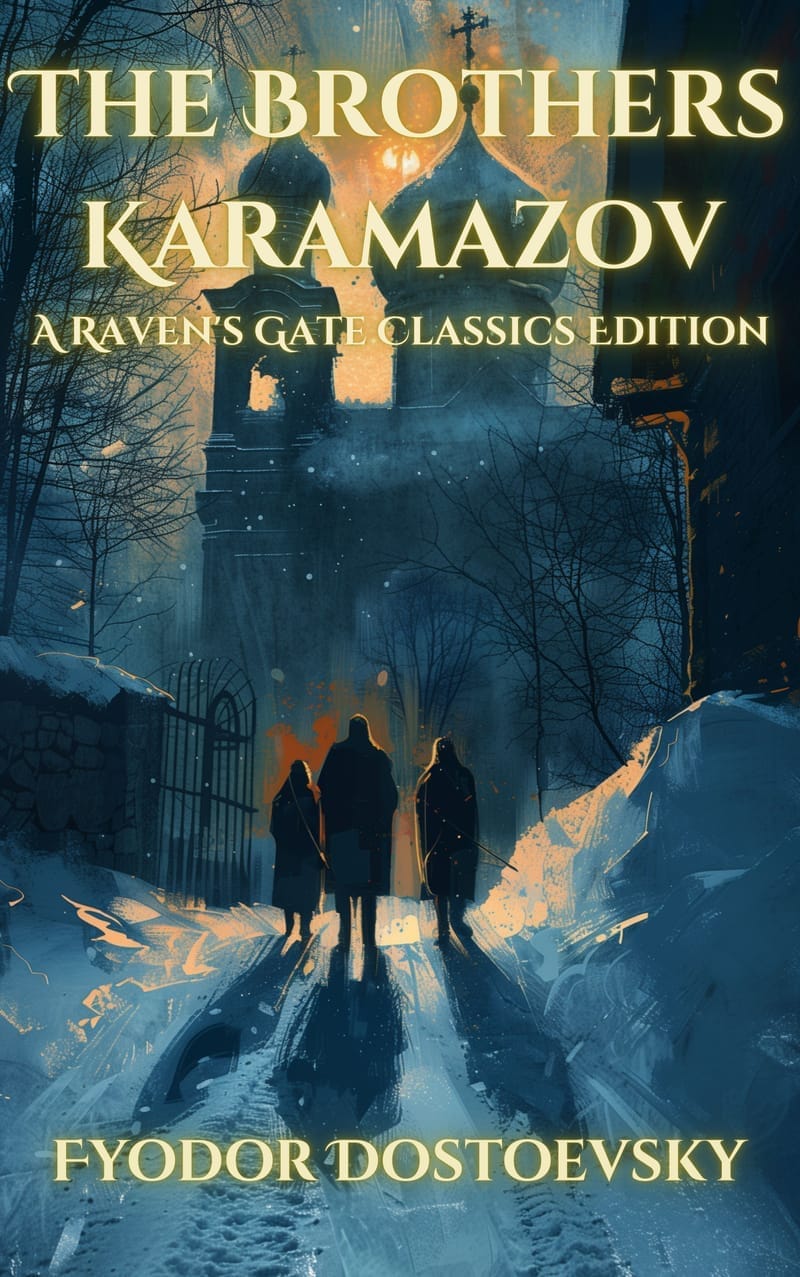
The Brothers Karamazov (Annotated): A Raven's Gate Classics Edition
by Raven's Gate Classics · Classic Horror Reimagined
A father is murdered. Three sons are suspects. One wanted him dead and said so in public. One built the philosophical case that murder is permissible. One was busy having a spiritual crisis and looked the other way. The man who actually killed him is a fourth son nobody acknowledges, raised as a servant in the dead man's kitchen.
The Brothers Karamazov is the most ambitious novel ever written. Dostoevsky finished it two months before he died, and he spent his entire career getting ready for it. Everything he had been arguing with himself about for thirty years lands here: whether God exists, whether morality survives without him, whether a father who fails every obligation of fatherhood can still be murdered without justification. Three brothers, three answers, and none of them wins.
Dmitri is the body. He loves and rages with equal force, quotes Schiller while pounding the table, and is convicted of a murder he did not commit. Ivan is the intellect. He constructs the most devastating argument against God's justice in all of literature, and it breaks him. Alyosha is the spirit. He listens. He loves. He holds the hands of people who are suffering. Whether that is enough is the question the novel refuses to resolve.
And then there is The Grand Inquisitor. Christ returns to Seville during the Inquisition. The cardinal arrests him. In a prison cell, the old man explains that humanity never wanted the freedom Christ offered. They wanted bread, miracle and authority. Christ listens in silence, then kisses him on his bloodless lips. It is the most famous chapter in Russian literature, and possibly in any literature. It has not lost a gram of force in a hundred and forty years.
This Raven's Gate Classics edition includes the complete, unaltered text of all four parts, twelve books and ninety-six chapters in the Constance Garnett translation, with an introduction that sets up the novel's architecture without spoiling its power. A full biography of Dostoevsky covers the mock execution, the Siberian prison camp, the epilepsy, the gambling addiction, the wife who saved him, the four great novels produced in fourteen years, and the funeral procession that stretched a mile through St. Petersburg.
Commentary covers the three brothers as psychological and theological constructs, the Grand Inquisitor as prophecy and philosophy, Smerdyakov as the logical conclusion of Ivan's ideas, the trial as Dostoevsky's indictment of institutional justice, and the children's ending that answers the novel's great argument with an image instead of a proof. An essay on legacy and influence runs from Freud to Kafka to Camus to every courtroom drama that followed. Annotated further reading is included.
No study guides. No chapter summaries. No academic apparatus. The novel that contains all other novels, with the context to understand the man who wrote it while his lungs were failing and his country was tearing itself apart.
More by Raven's Gate Classics

Carmilla
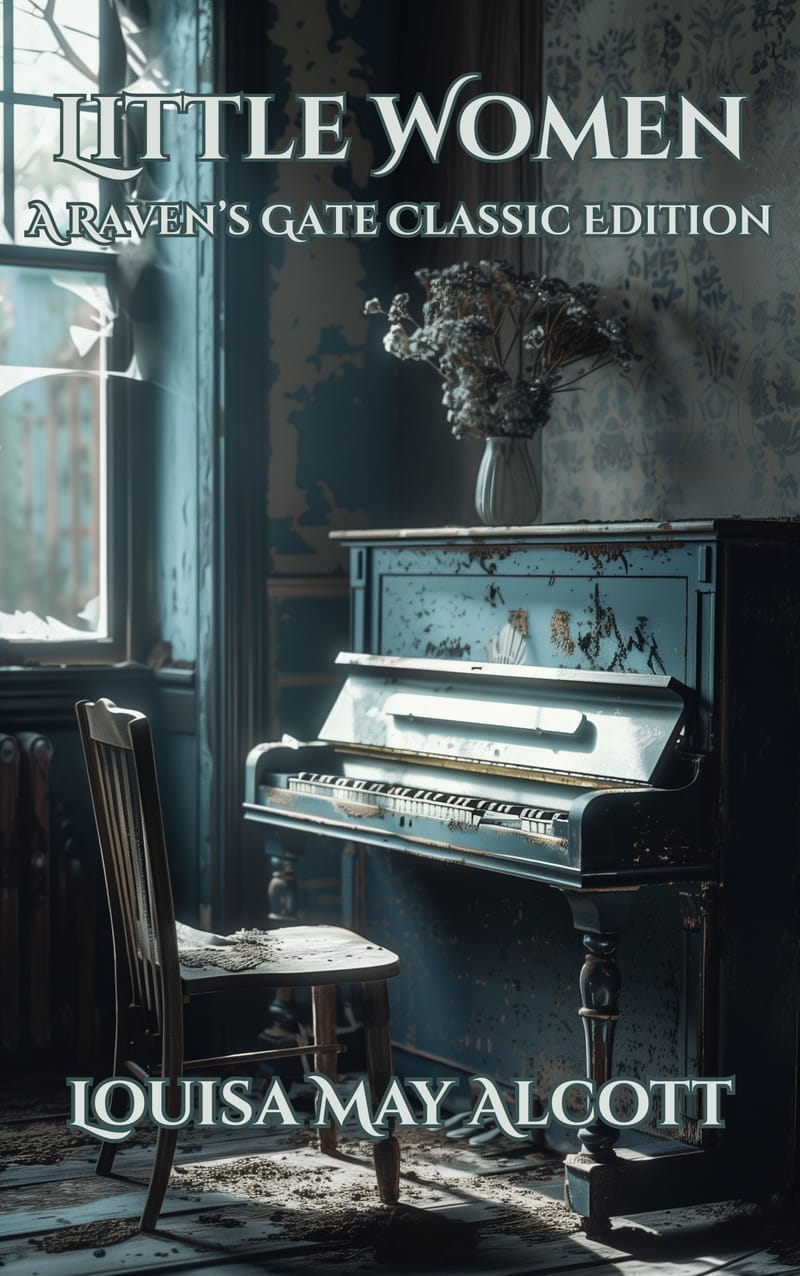
Little Women (Annotated): A Raven's Gate Classics Edition
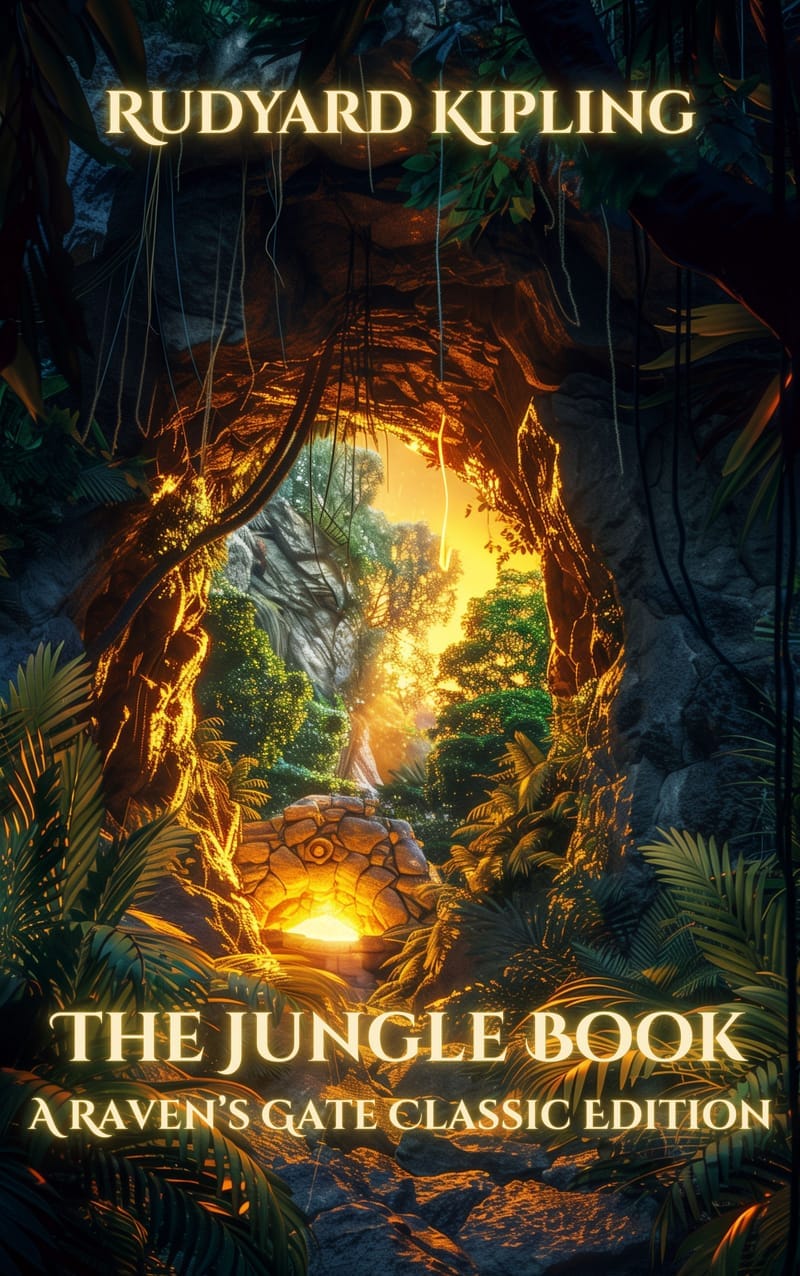
The Jungle Book (Annotated): A Raven's Gate Classics Edition
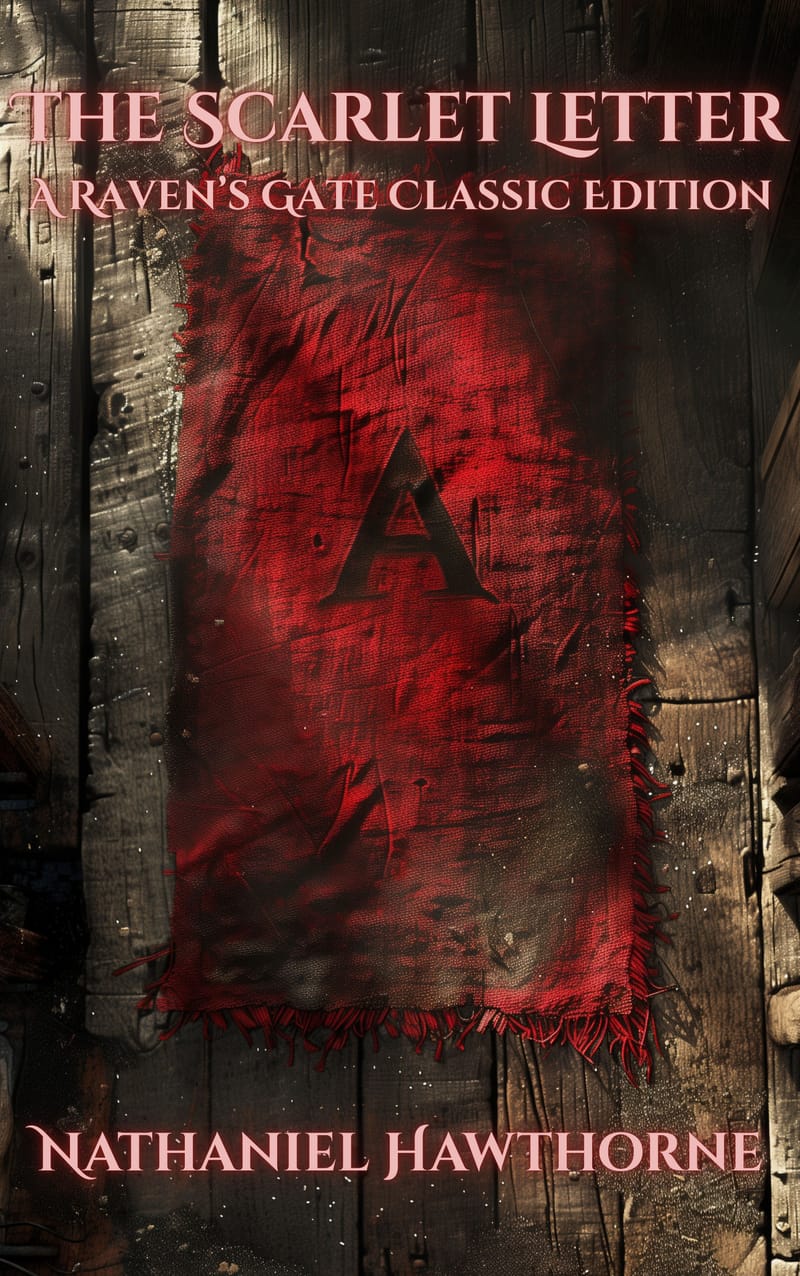
The Scarlet Letter (Annotated): A Raven's Gate Classics Edition
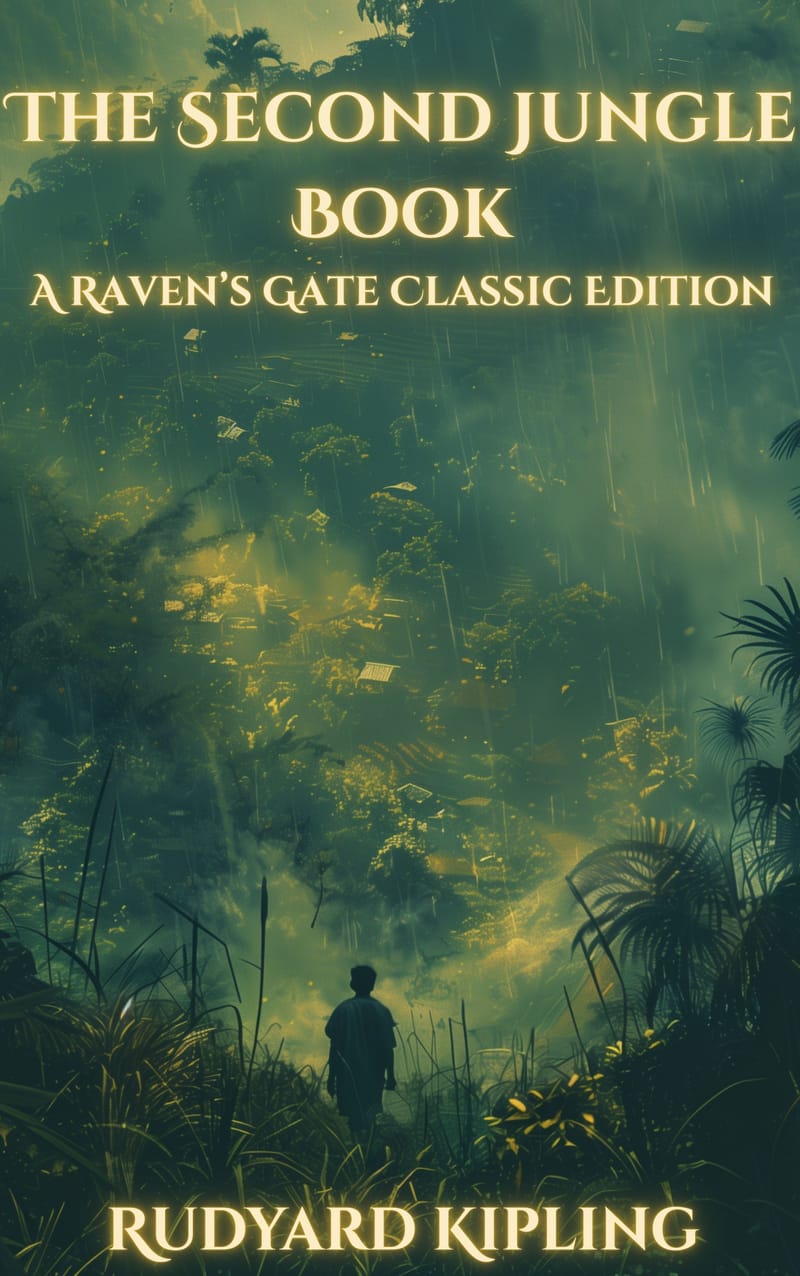
The Second Jungle Book (Annotated): A Raven's Gate Classics Edition
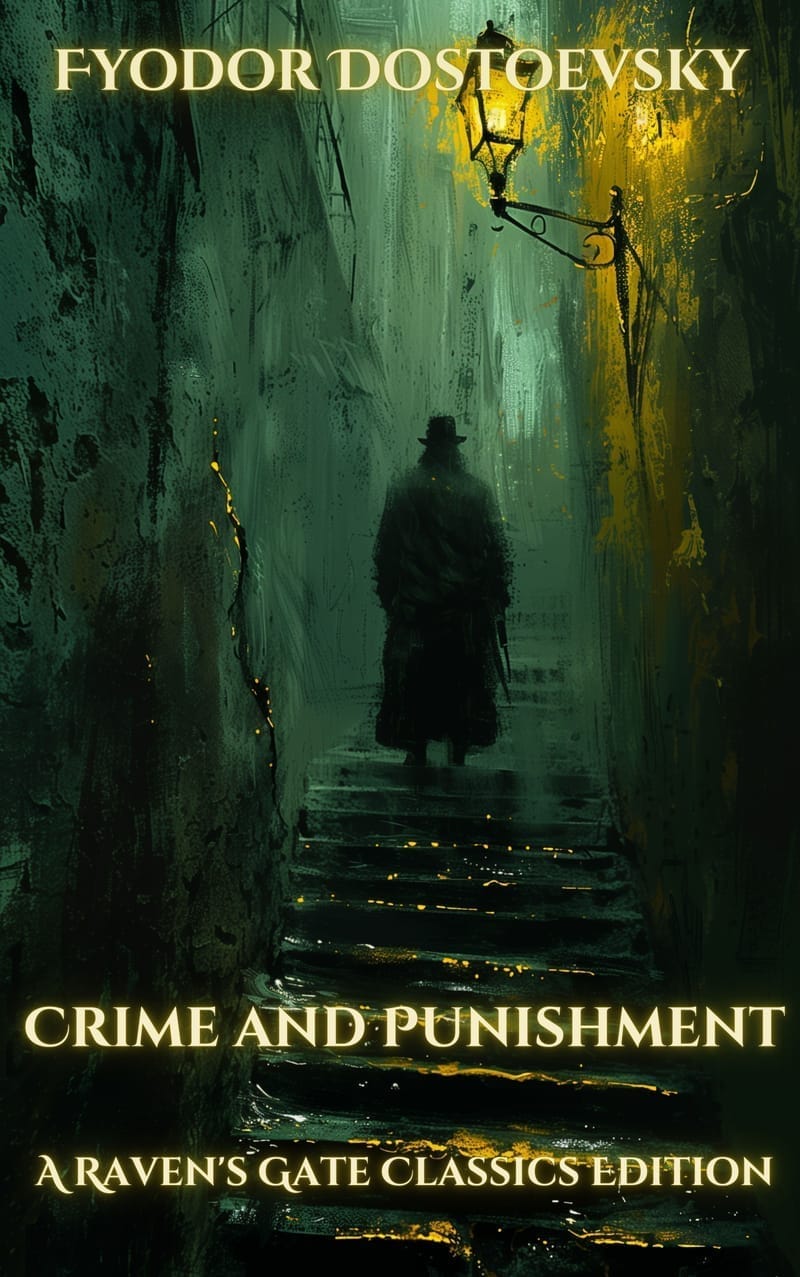
Crime and Punishment (Annotated): A Raven's Gate Classics Edition