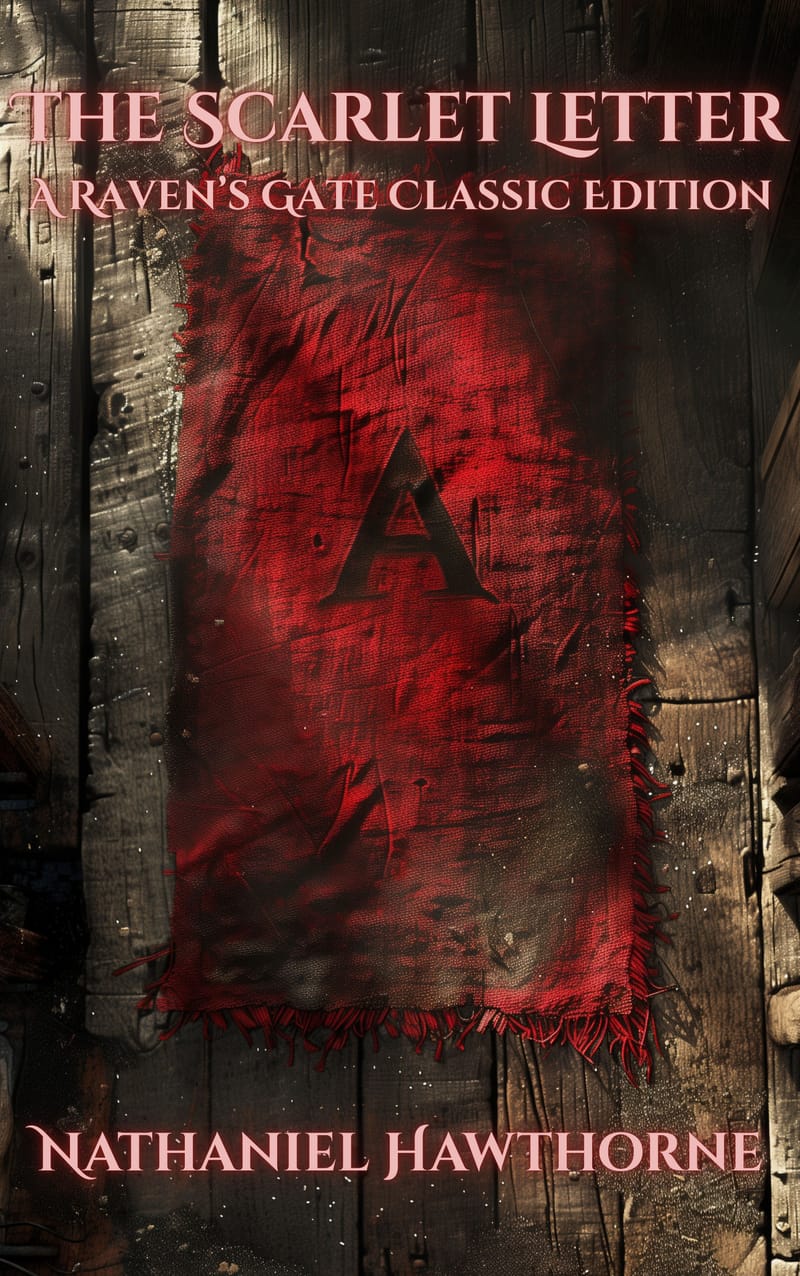
The Scarlet Letter (Annotated): A Raven's Gate Classics Edition
by Raven's Gate Classics · Classic Horror Reimagined
A woman stands on a scaffold with a baby and a letter stitched to her chest. She will not name the father. The town stares. The minister clutches his own chest in the crowd. And Hawthorne spends the next two hundred pages proving that the woman who wore her sin in public suffered less than the man who hid his in the dark.
The Scarlet Letter is not about Puritan morality. It is about what concealment does to a human being. Hester Prynne is punished and becomes stronger. Arthur Dimmesdale is protected by his silence and it eats him alive. Roger Chillingworth sets out to avenge a betrayal and becomes the thing he hunts. Pearl, the daughter born from the affair, is the only honest character in the novel, and every adult in her life treats her like a symbol instead of a child. Hawthorne wrote this in 1850, set it in the 1640s, and somehow built a book about shame, punishment, and the cost of secrets that reads as if he wrote it about next week.
The novel opens with The Custom-House, a forty-page essay about Hawthorne's government job that most readers skip. They shouldn't. It is Hawthorne explaining why he writes, how he found the scarlet letter itself, and what happens to a writer trapped in a bureaucracy. It is also the reason he got fired. He published the novel and the essay together, and Salem never forgave him for either.
This Raven's Gate Classics edition includes the complete, unaltered text with The Custom-House introductory sketch and all twenty-four chapters. A biography of Nathaniel Hawthorne covers the Salem childhood shadowed by his Puritan ancestors, the reclusive years of early writing, the friendships with Melville and the Concord circle, the customs house appointment and the firing that freed him to write, the composition of the novel in a burst of grief and fury after his mother's death, the controversial fame, the consulship in Liverpool, the Italian years, the declining health, and the death during the Civil War with an unfinished manuscript in his desk.
Commentary covers the three scaffold scenes as the novel's structural spine, Hester Prynne as the first great American heroine, Dimmesdale and the destruction of concealment, Chillingworth as the novel's true villain, Pearl as wild truth, and the ambiguity Hawthorne builds into every symbol. Curated further reading is included.
No summaries. No study questions. No academic gatekeeping. Just the novel that invented American literary fiction, with the context to understand the man who wrote it while grieving his mother in the house where his ancestors condemned witches.
More by Raven's Gate Classics

Carmilla
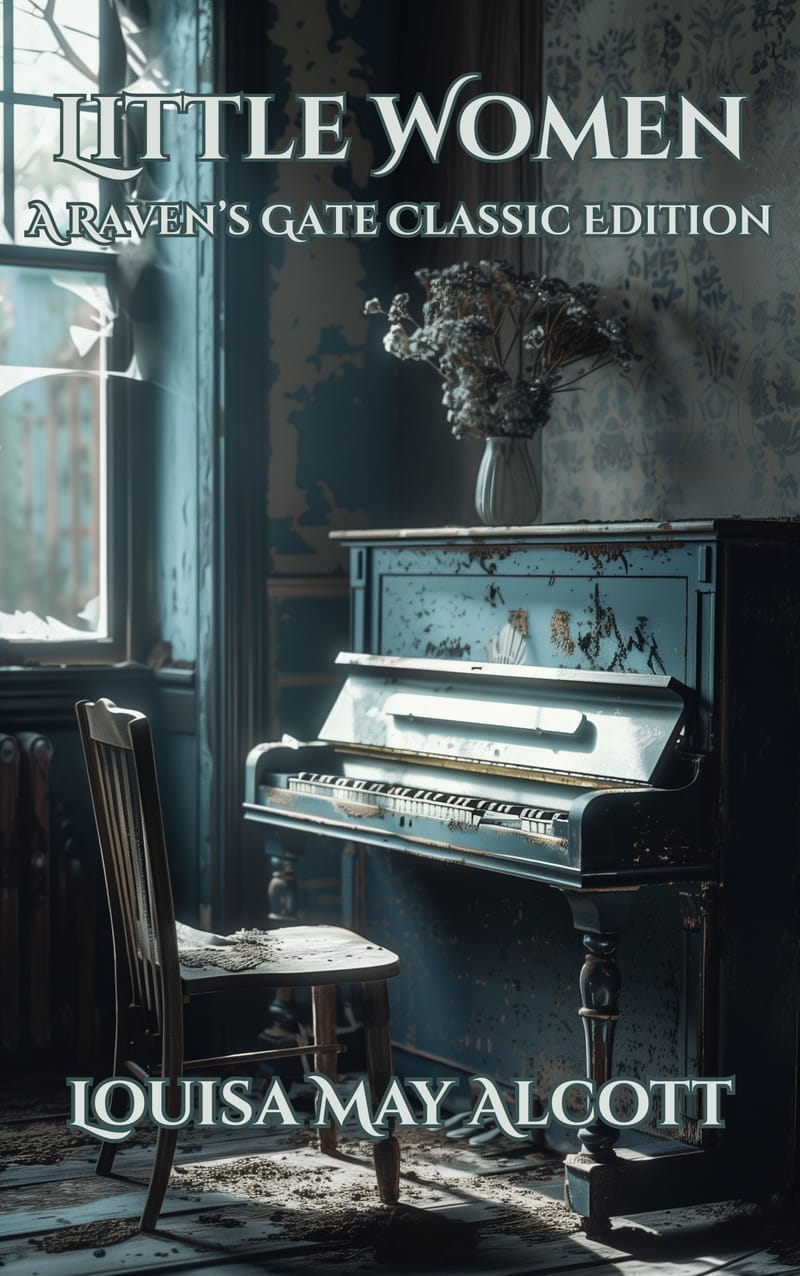
Little Women (Annotated): A Raven's Gate Classics Edition

The Jungle Book (Annotated): A Raven's Gate Classics Edition

The Second Jungle Book (Annotated): A Raven's Gate Classics Edition
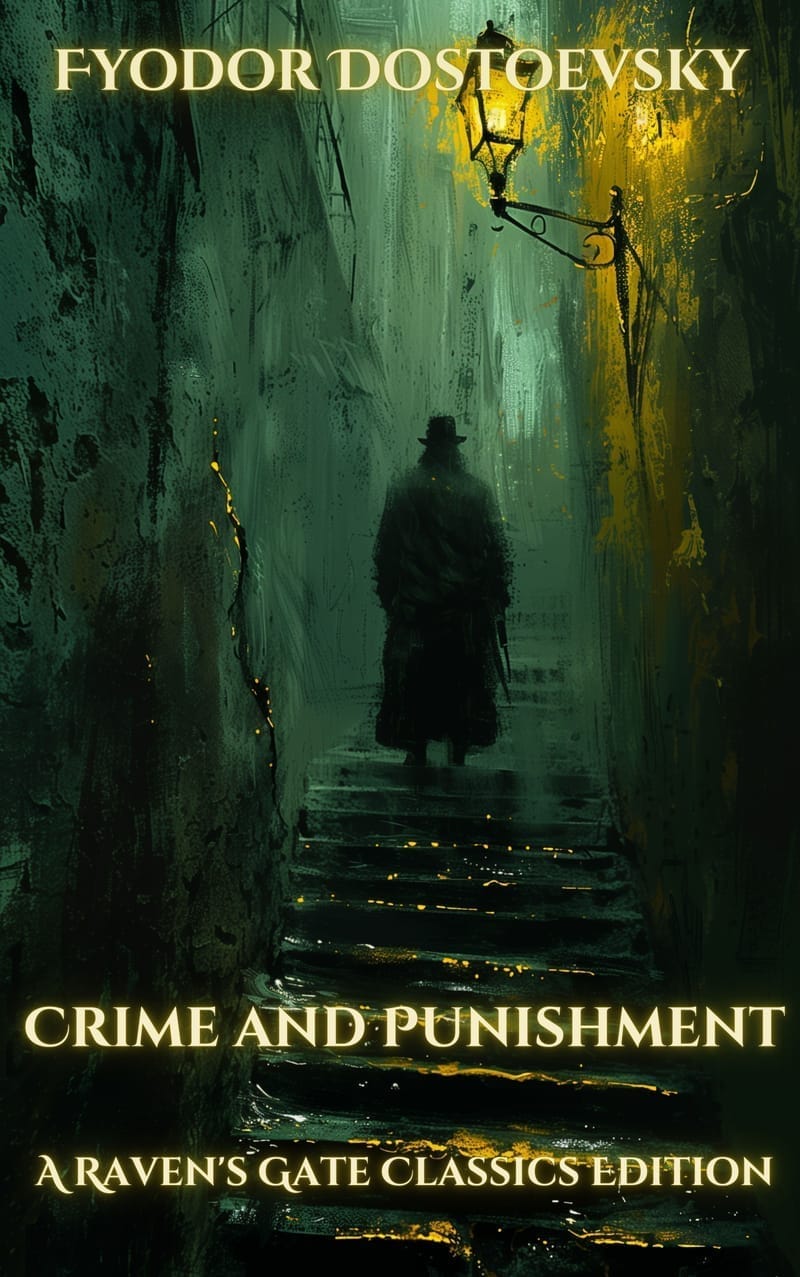
Crime and Punishment (Annotated): A Raven's Gate Classics Edition
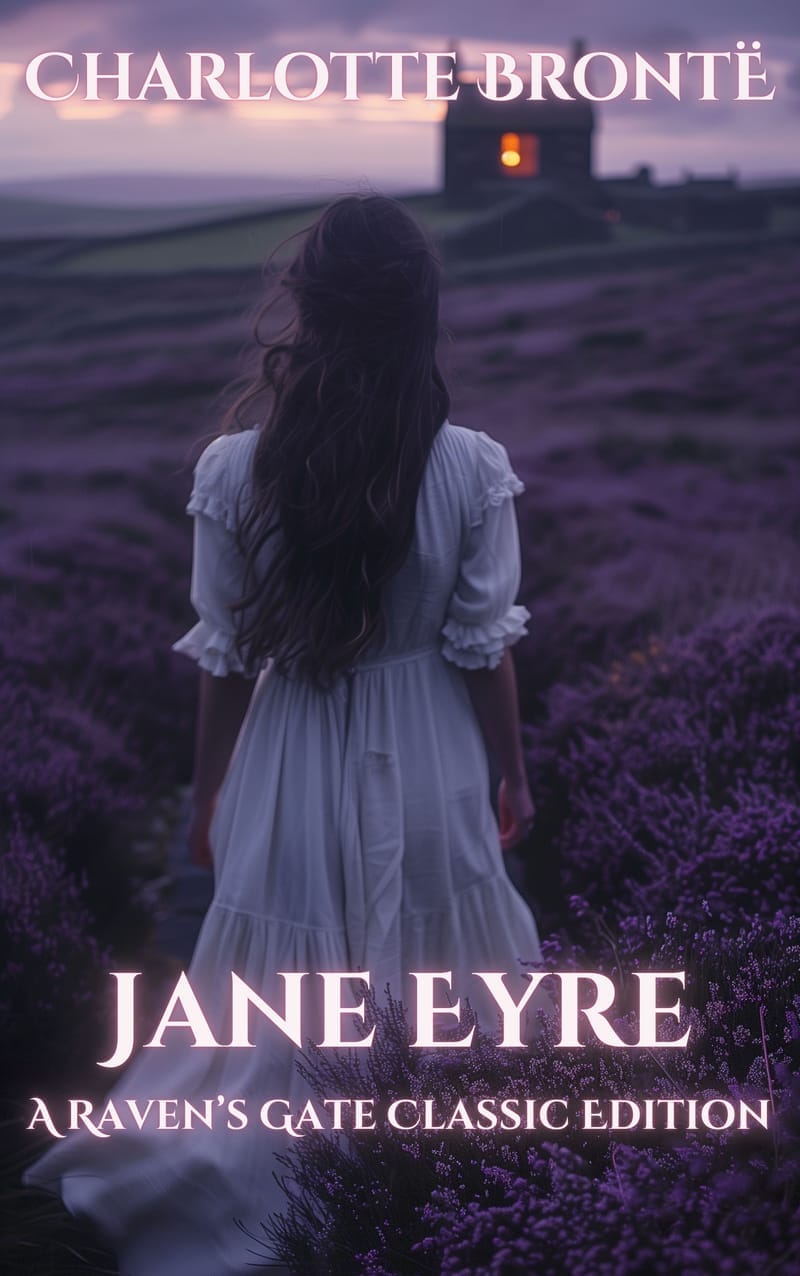
Jane Eyre (Annotated): A Raven's Gate Classics Edition