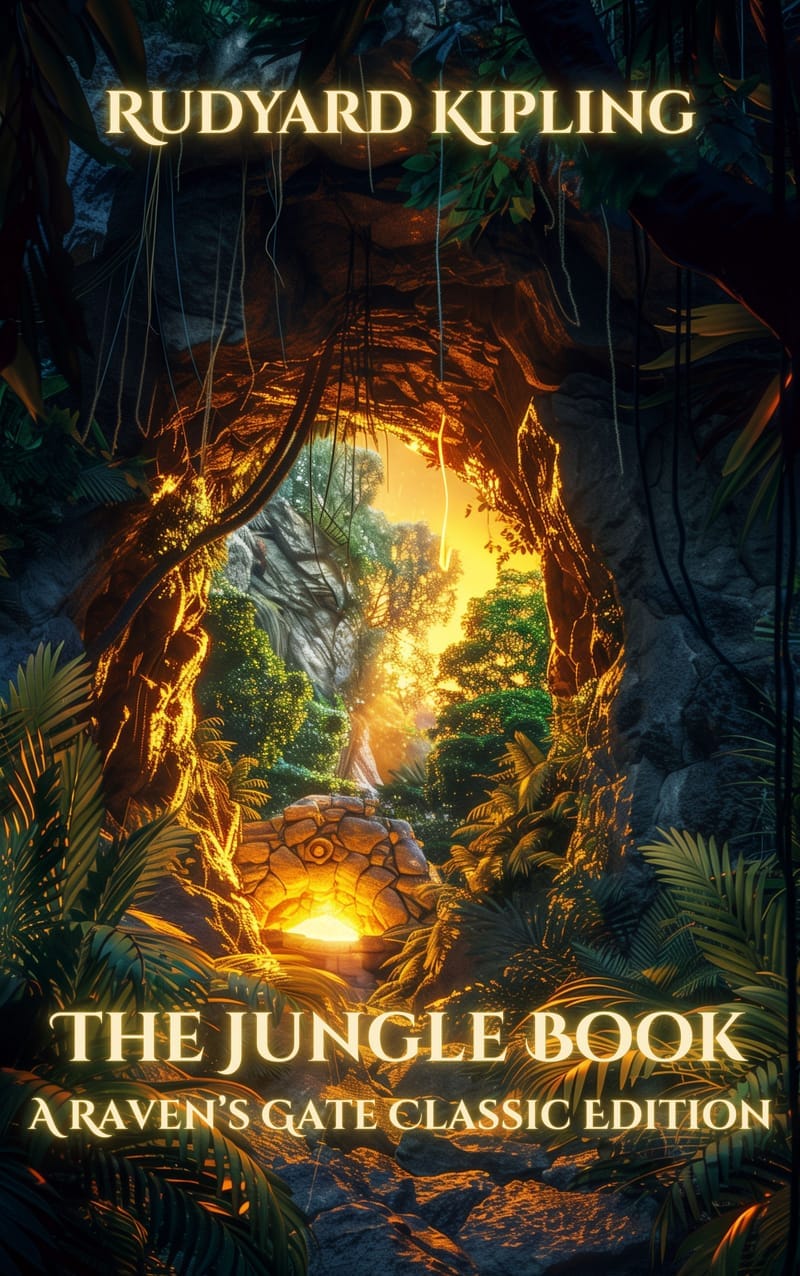
The Jungle Book (Annotated): A Raven's Gate Classics Edition
by Raven's Gate Classics · Classic Horror Reimagined
A naked brown baby crawls into a wolf's den, and the wolves decide to keep him. Not out of sentiment. Because a bear and a panther vouch for him, and because the Law permits it.
This is not the Disney version. Kipling's Jungle Book is colder, stranger, and more honest than any adaptation has dared to be. Mowgli belongs nowhere. The wolves raise him but he is not a wolf. The village takes him in but he is not a villager. The Law of the Jungle, which Baloo teaches him and which governs every creature in the forest, is not a metaphor for freedom. It is a code of obligation, hierarchy, and consequence. Break it, and the jungle breaks you.
The collection holds seven stories, and the non-Mowgli tales are as fine as anything Kipling wrote. Rikki-Tikki-Tavi is a combat narrative of terrifying efficiency, a mongoose killing cobras with the focus of a soldier executing a mission. The White Seal is an ecological parable decades before the word existed. Toomai of the Elephants describes a midnight dance that no human has witnessed, rendered with a restraint that borders on reverence. Each story is followed by a poem, because Kipling was a poet of the first order, and the verse deepens, complicates, and sometimes contradicts the prose.
This Raven's Gate Classics edition includes the complete text of all seven stories and their accompanying poems as published in 1894. A biography of Rudyard Kipling covers the paradise of his Bombay childhood, the nightmare of the foster home in Southsea, the return to India at sixteen as a journalist, the literary debut that stunned London, the Vermont years where The Jungle Book was written within earshot of New England snowplows, the Nobel Prize at forty-one, The White Man's Burden and the complex relationship with empire, the death of his daughter Josephine at six, the loss of his son John at the Battle of Loos, and the corrosive guilt that followed.
Commentary covers the Law of the Jungle as social code rather than metaphor for wildness, Mowgli's permanent displacement between two worlds, Baloo and Bagheera as complementary teachers, the non-Mowgli stories as masterpieces in miniature, Kipling and empire in all its contradictions, the integral function of the verse, and the narrative voice as one of Kipling's most distinctive achievements. A legacy section covers the Scouting movement's adoption of the book's characters, the Disney transformation, the literary influence on Jack London and beyond, and the book's enduring resonance as a story about belonging, exile, and the cost of walking between cultures. Curated further reading is included.
No sanitizing. No simplifying. No Disney. Just the original jungle, with the context to understand the man who imagined it and the empire that shaped him.
More by Raven's Gate Classics

Carmilla
Little Women (Annotated): A Raven's Gate Classics Edition
The Scarlet Letter (Annotated): A Raven's Gate Classics Edition
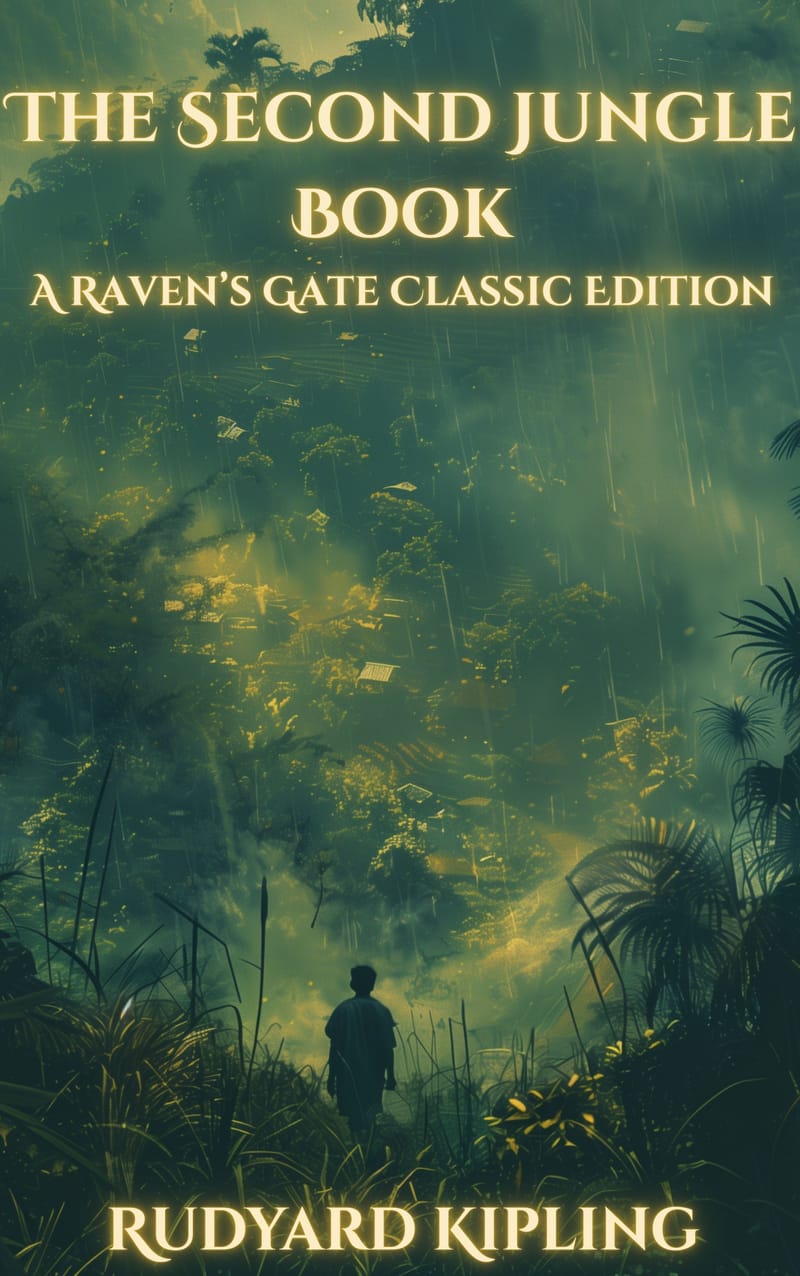
The Second Jungle Book (Annotated): A Raven's Gate Classics Edition
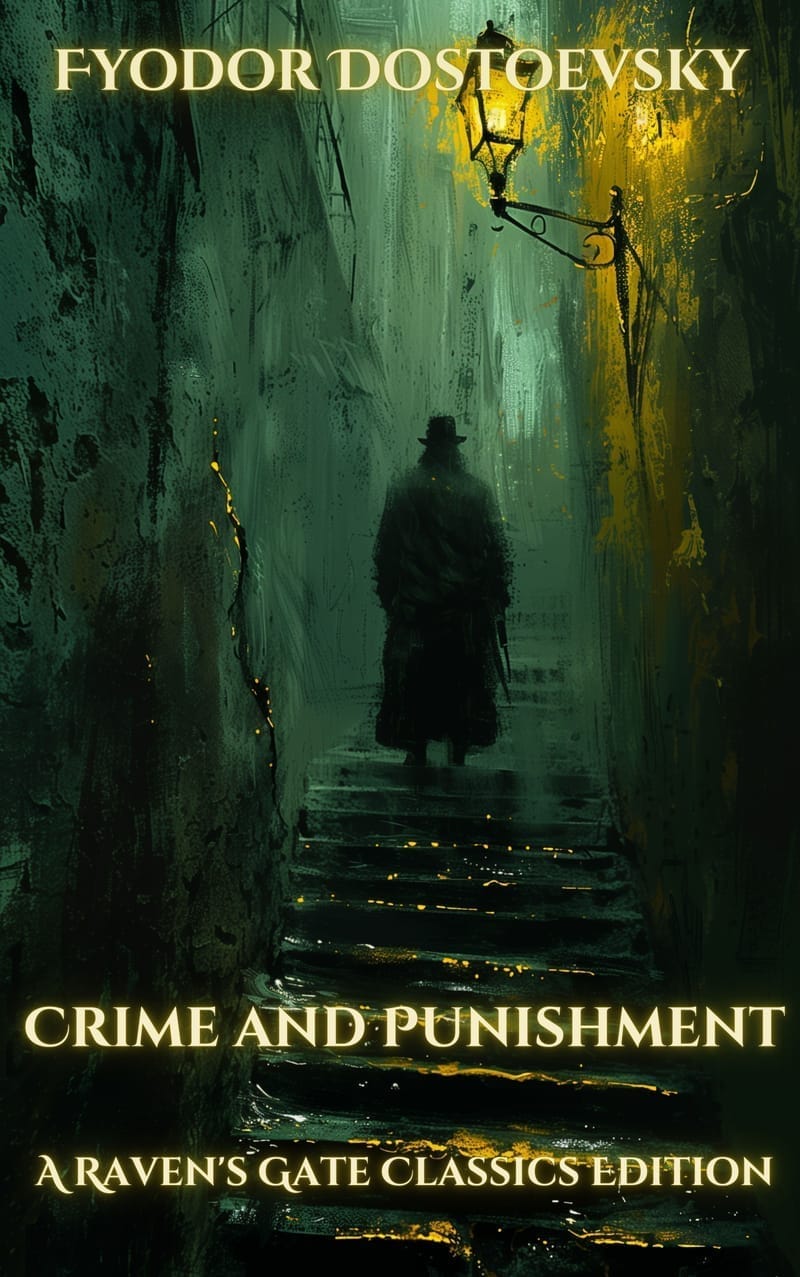
Crime and Punishment (Annotated): A Raven's Gate Classics Edition
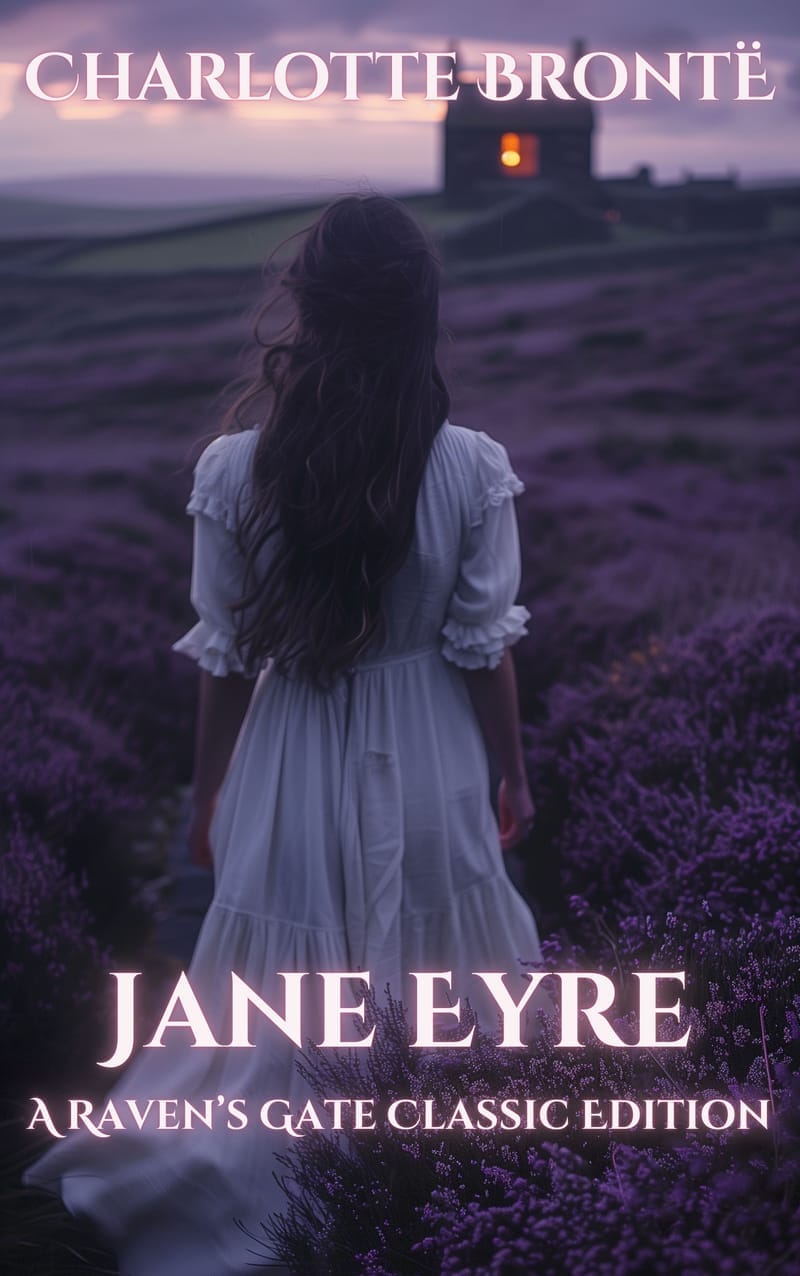
Jane Eyre (Annotated): A Raven's Gate Classics Edition