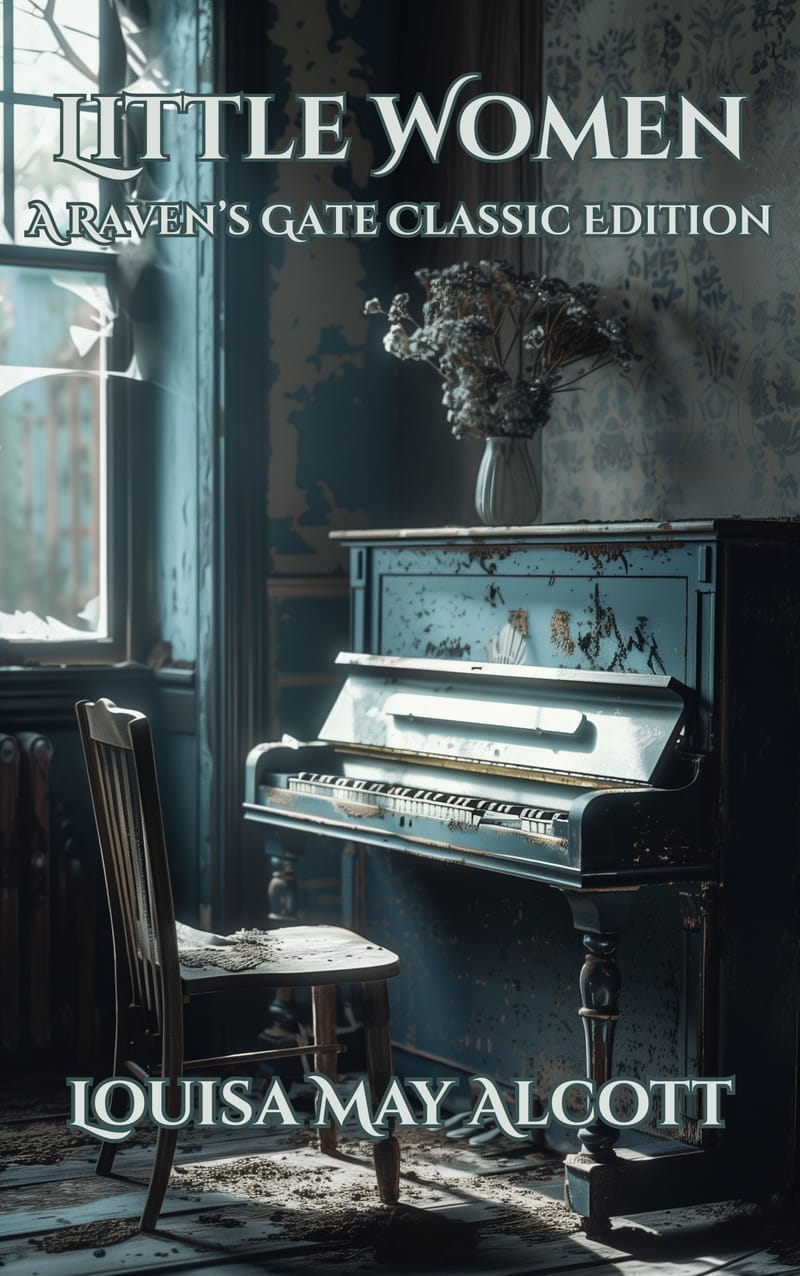
Little Women (Annotated): A Raven's Gate Classics Edition
by Raven's Gate Classics · Classic Horror Reimagined
Louisa May Alcott didn't want to write it. Her publisher asked for "a girls' story" and she thought the idea was dull. She wrote it anyway because she needed the money. It became the most influential American novel about growing up, and it made her miserable for the rest of her life.
Little Women is not the gentle book people remember. It is a novel about poverty, work, rage, grief, and the relentless pressure on women to be good. Jo March is furious for most of it. She burns with ambition, fights with her sisters, nearly lets a child drown out of spite, and writes sensational fiction for money while people tell her she should write something wholesome. Alcott was writing herself, and she resented every minute of it.
The death of Beth is one of the most devastating sequences in American fiction. Alcott knew what she was doing. She'd nursed her own sister through the same slow dying. She'd nursed Union soldiers through worse. When readers begged her not to kill Beth, she said reality didn't consult her either.
This Raven's Gate Classics edition includes the complete, unaltered text of both parts — the original Little Women and Good Wives — in forty-seven chapters. A biography of Louisa May Alcott gives the real story behind the fiction: Bronson Alcott's transcendentalist experiments and catastrophic failures as a provider, the family's grinding poverty, Louisa's work as a seamstress and teacher and domestic servant before she was a writer, her service as a Civil War nurse at Union Hospital in Georgetown and the mercury poisoning that destroyed her health, the writing of Little Women under protest, the fame that trapped her, and her death within two days of her father.
Commentary covers what Alcott was doing with the domestic novel and why it was revolutionary, the Jo-and-Laurie question that has haunted readers for over a century, Beth's death as the novel's structural and emotional centre, the problem of Professor Bhaer, and how Alcott smuggled her anger into a genre that was not supposed to contain it. Curated further reading is included.
No summaries. No study questions. No academic gatekeeping. Just the novel Alcott wrote under protest that turned out to be her masterpiece, with the context to understand the woman behind Jo March and why she never forgave the book for making her famous.
More by Raven's Gate Classics
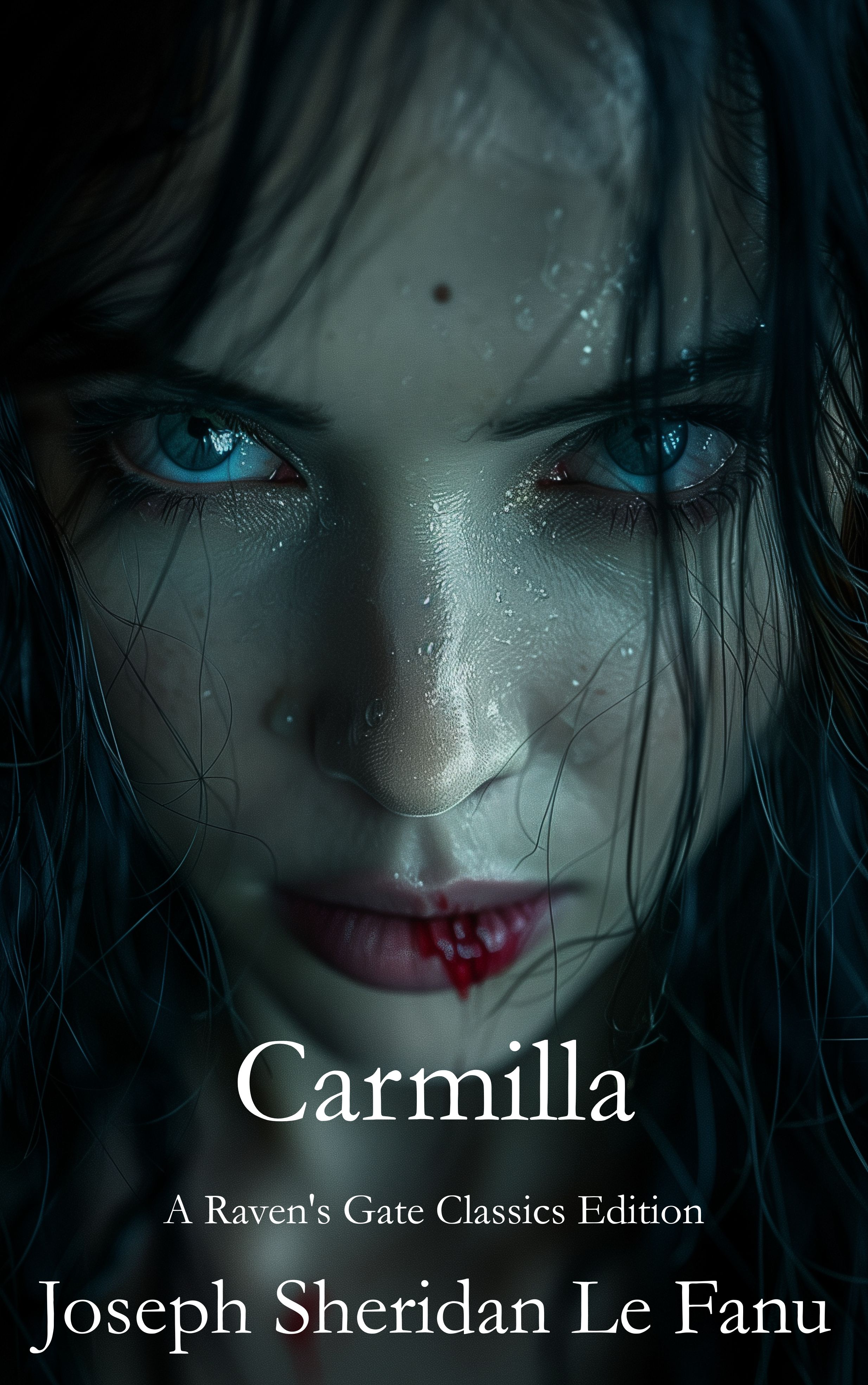
Carmilla
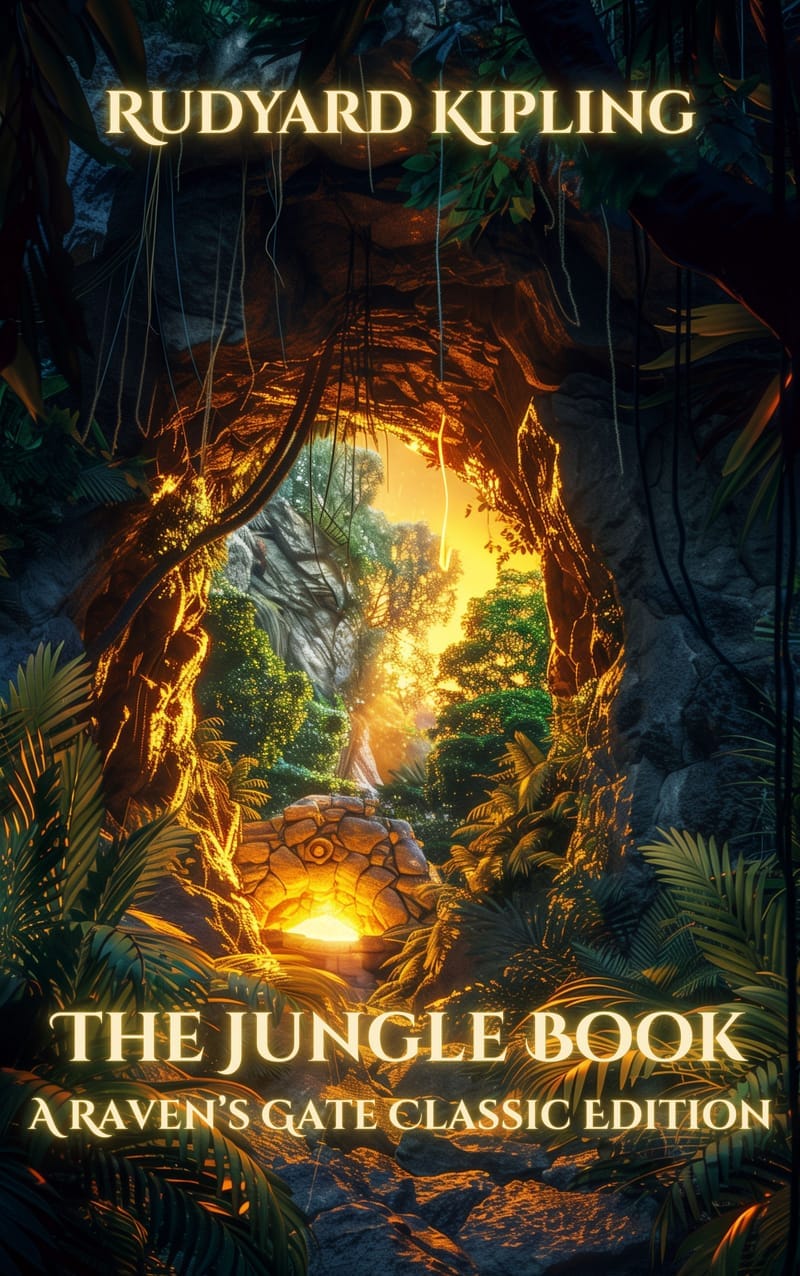
The Jungle Book (Annotated): A Raven's Gate Classics Edition
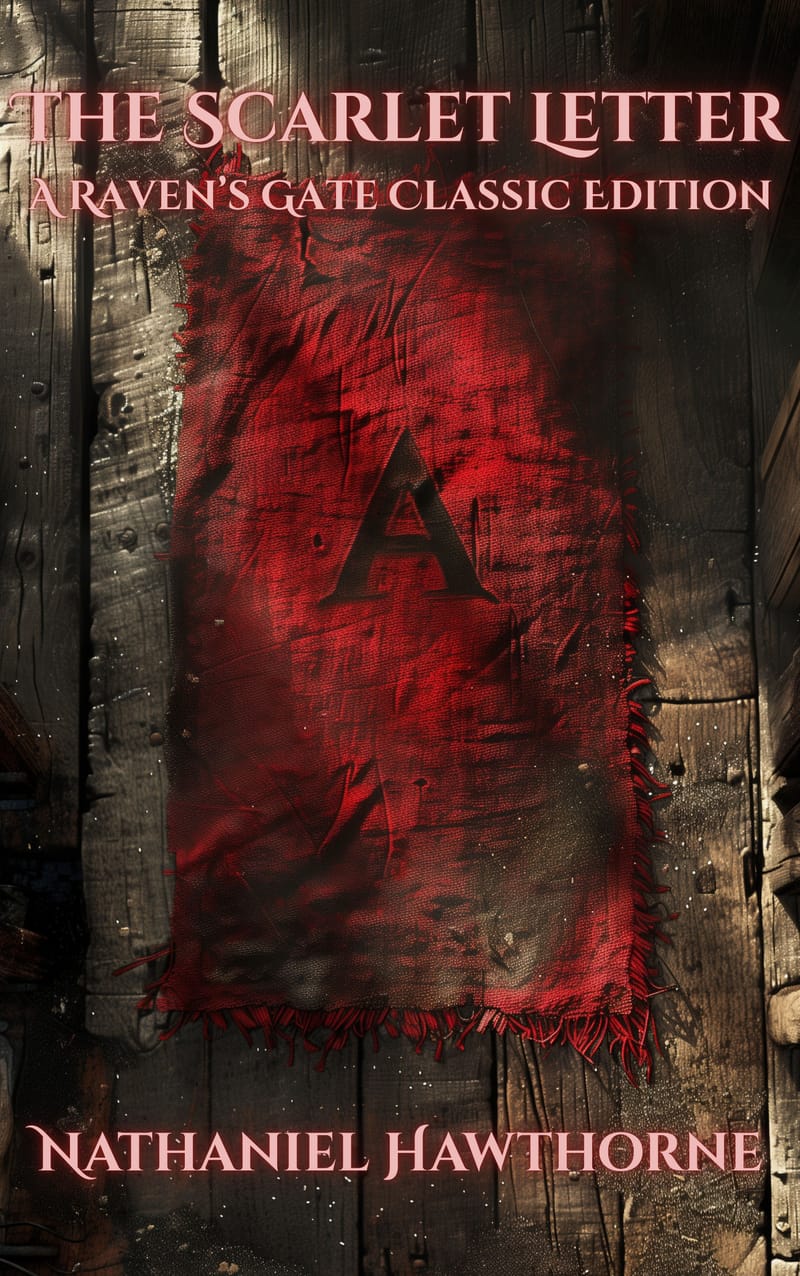
The Scarlet Letter (Annotated): A Raven's Gate Classics Edition
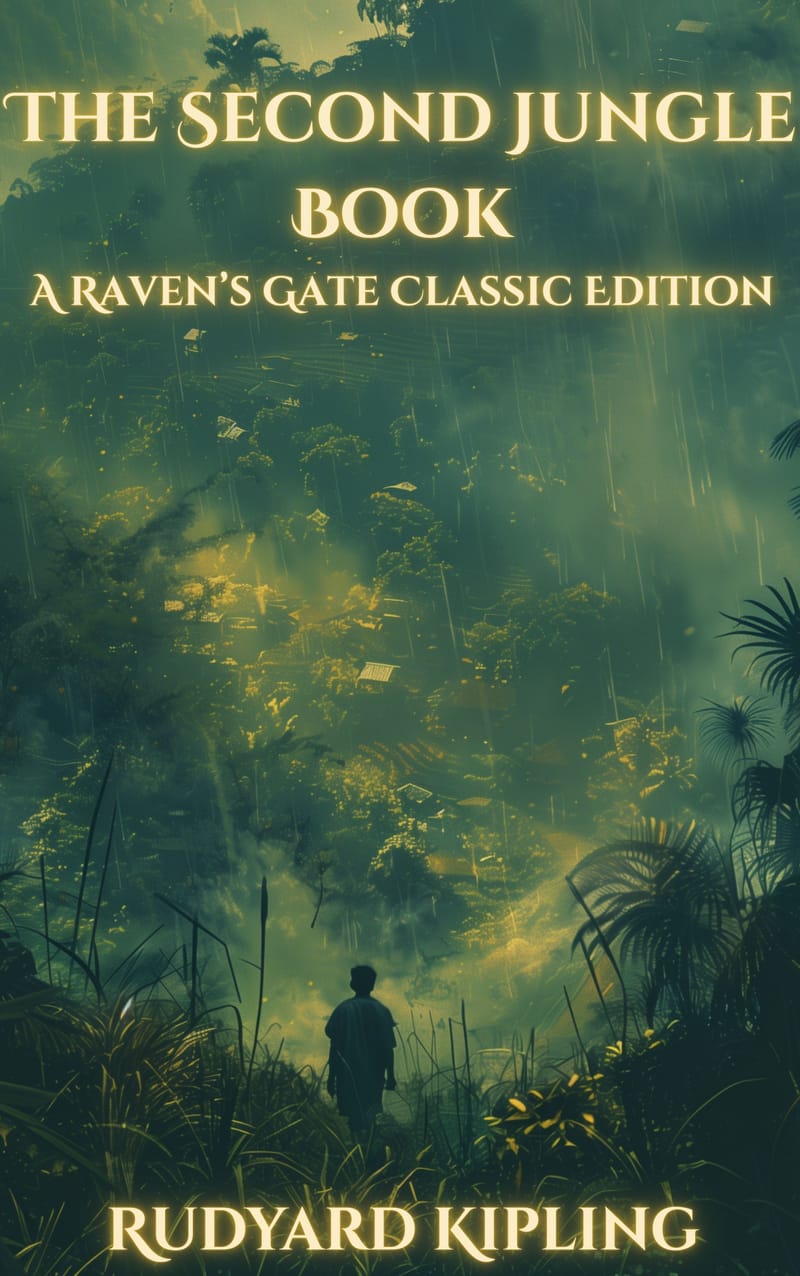
The Second Jungle Book (Annotated): A Raven's Gate Classics Edition
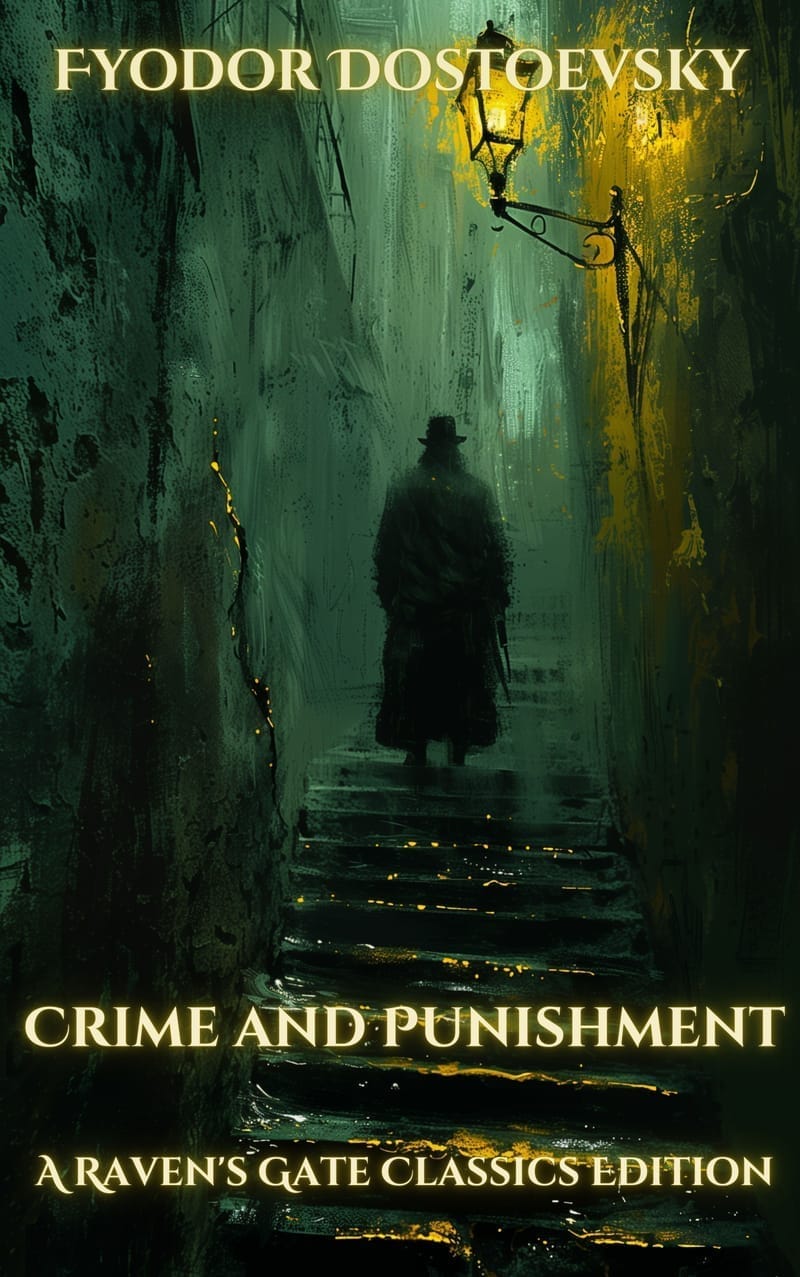
Crime and Punishment (Annotated): A Raven's Gate Classics Edition
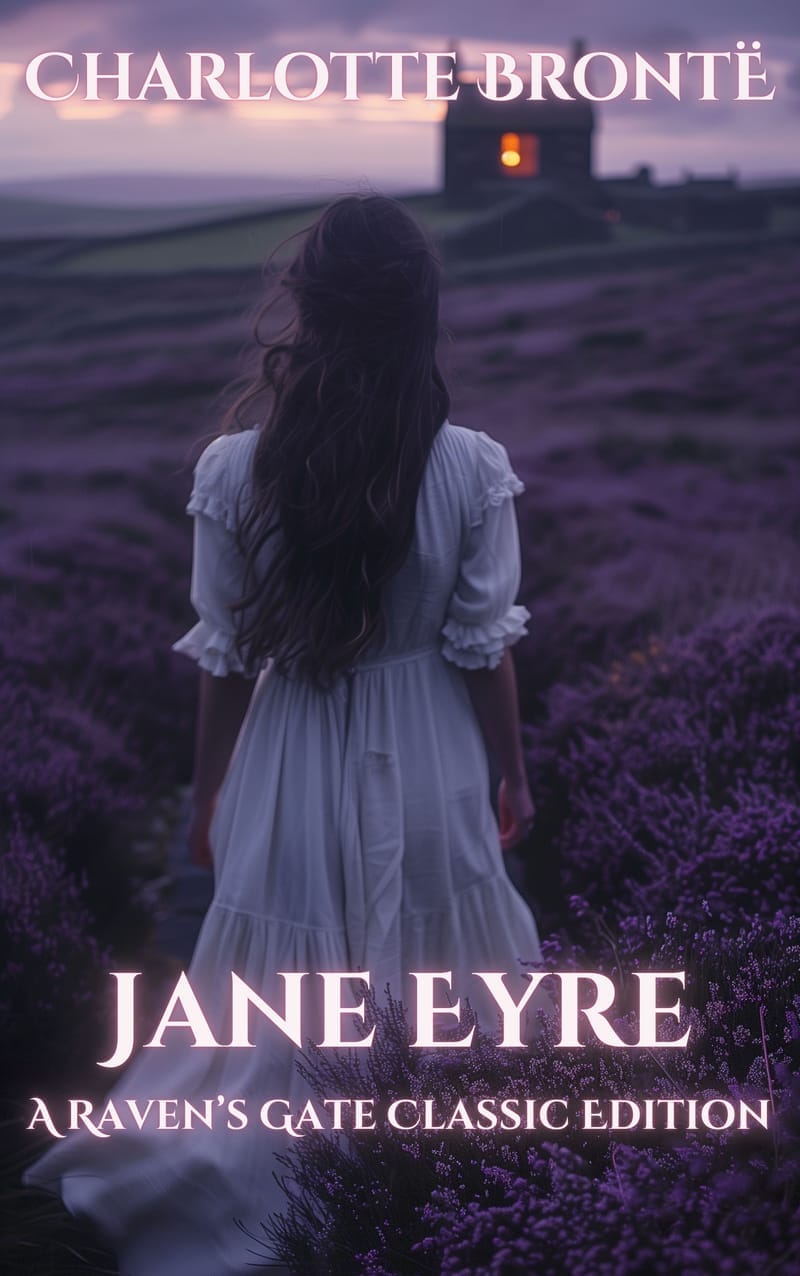
Jane Eyre (Annotated): A Raven's Gate Classics Edition