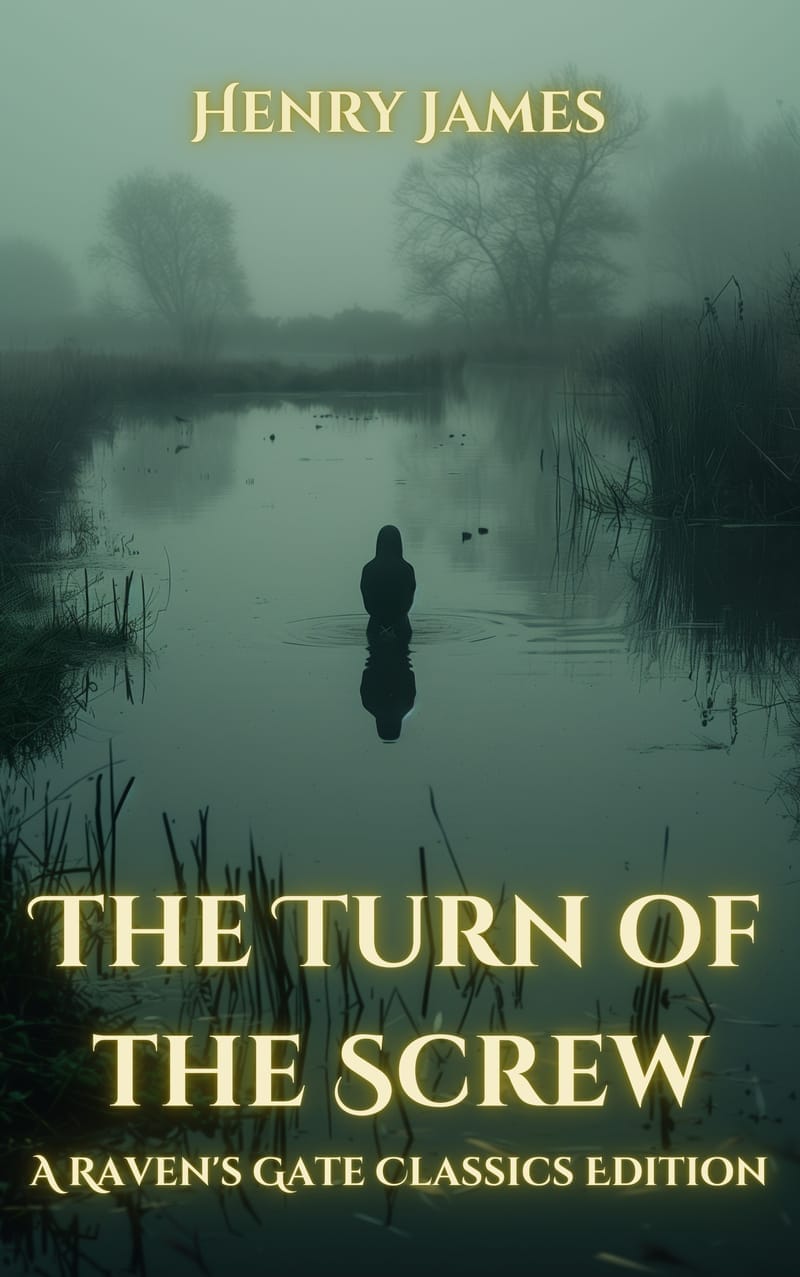
The Turn of the Screw (Annotated): A Raven's Gate Classics Edition
by Raven's Gate Classics · Classic Horror Reimagined
A young governess takes a position at a country estate called Bly. The children are beautiful, well-mannered, and possibly damned. Two former employees, both dead, are appearing on the grounds. The governess sees them. The children, she becomes convinced, see them too, and are hiding it. She decides to save the children. What follows is either a ghost story about corruption beyond the grave or the account of a woman losing her mind and destroying the very people she means to protect. Henry James will not tell you which.
That refusal is what makes The Turn of the Screw the most debated work of fiction in English. Published in 1898 as a serial in Collier's Weekly, James intended it as a tale to catch those not easily caught. He succeeded. Over a century of readers, critics and scholars have argued about what happens in this novella, and the argument has no resolution because James engineered it that way. Every piece of evidence for ghosts is also evidence for madness. Every moment of horror works in both directions.
The governess narrates her own story. She is intelligent, earnest, devoted, and possibly unreliable in ways she cannot recognize. She sees figures on the tower and across the lake. She identifies them from descriptions that may or may not match. She interrogates the children with an intensity that looks like care or like obsession depending on which line you are reading. And the ending, one of the most shocking final pages in English fiction, resolves nothing.
This Raven's Gate Classics edition includes the complete, unaltered text of the 1898 first edition, including the prologue frame narrative. A biography of Henry James covers the transatlantic childhood, the early novels of manners, the turn toward psychological fiction, the theatrical failure of Guy Domville and the pivot to the ghost stories, the friendship with the Archbishop of Canterbury whose anecdote sparked this tale, the late masterpieces, and the final illness.
Commentary covers the governess as narrator and the question of her reliability, the ghosts of Peter Quint and Miss Jessel and what James does and does not confirm about them, the children Miles and Flora and whether their innocence is real, James's own comments about the story and why they clarify nothing, the frame narrative and what Douglas knows, and the critical war between Edmund Wilson's psychological reading and the supernaturalists. Legacy runs from the Britten opera to Jack Clayton's The Innocents to its permanent place in the canon of horror fiction. Curated further reading is included.
No summaries. No study questions. No academic gatekeeping. Just the ghost story that refuses to tell you whether the ghosts are real, with the context to understand the novelist who made that refusal into art.
More by Raven's Gate Classics
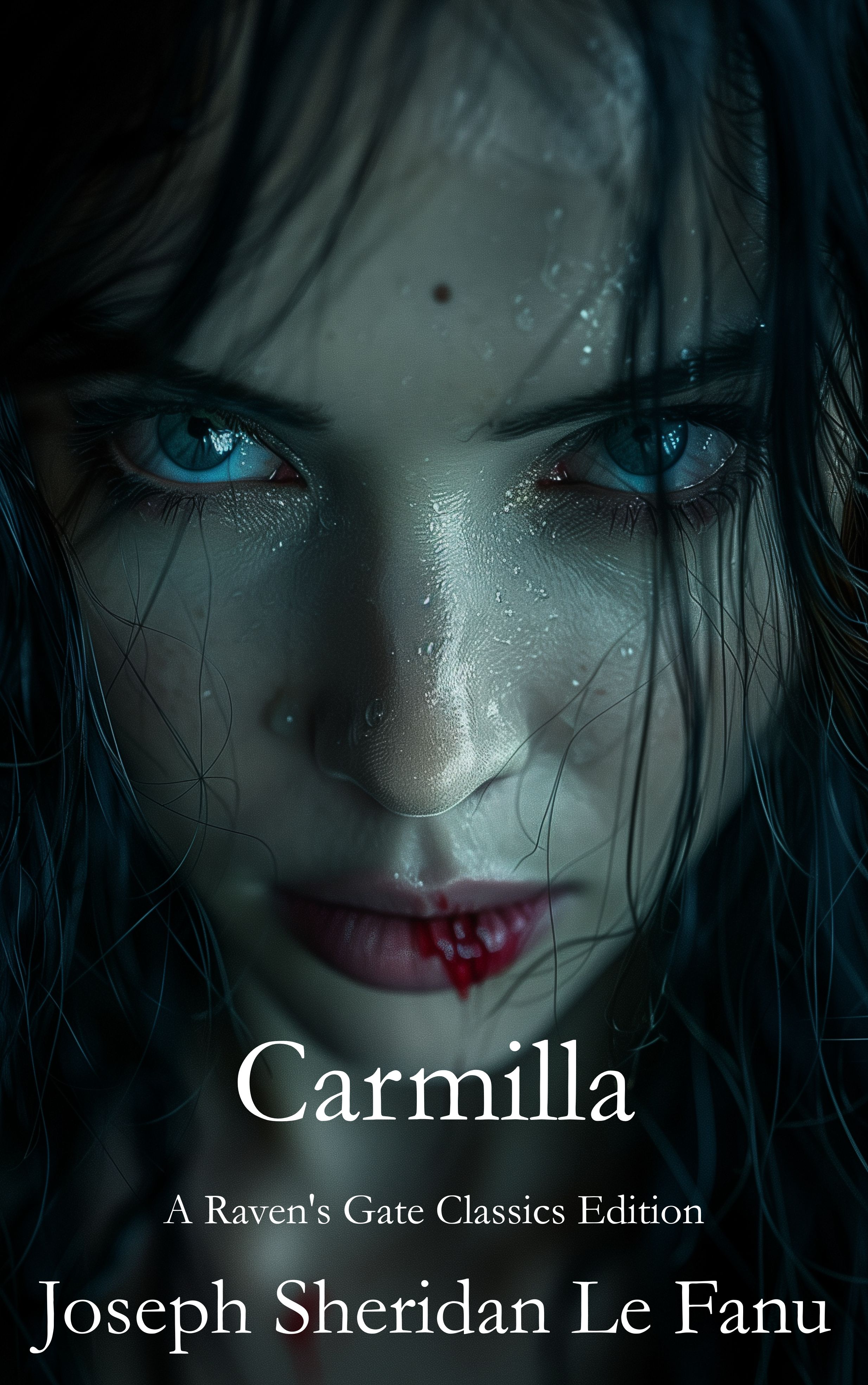
Carmilla
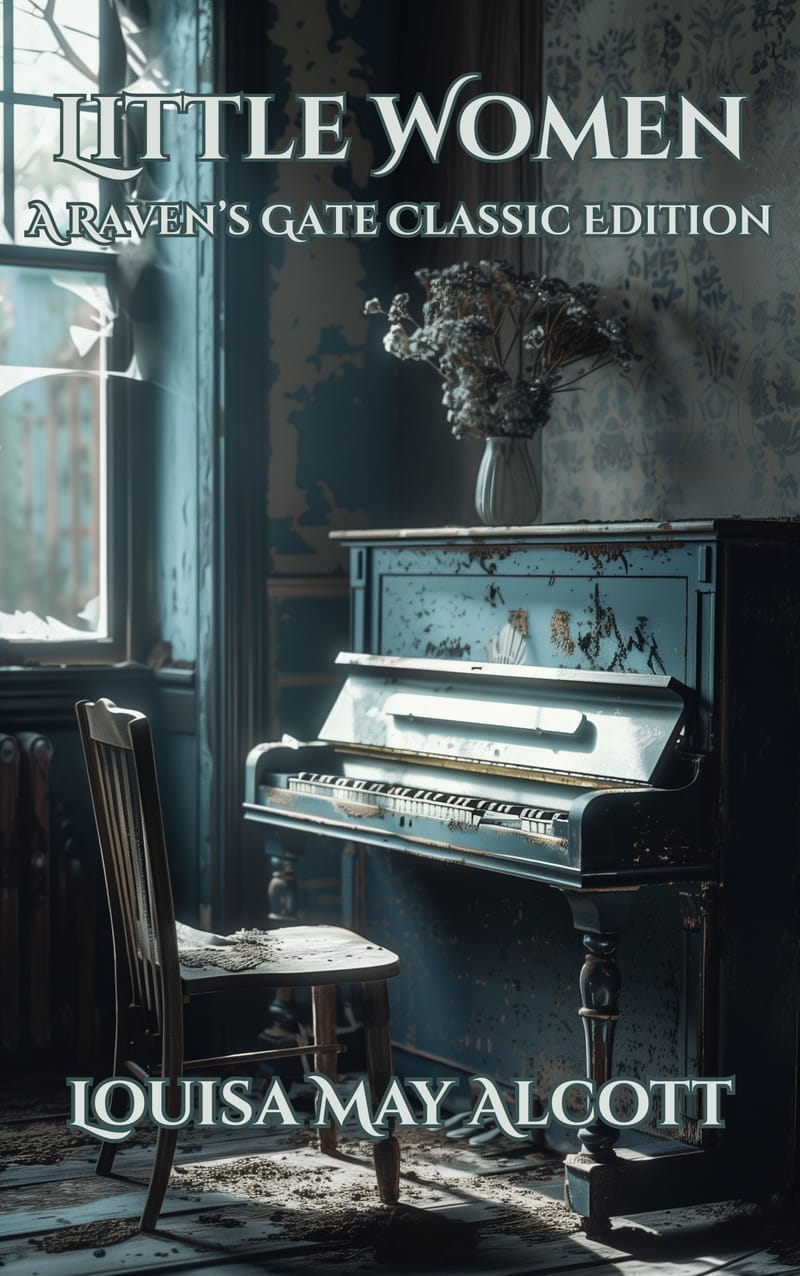
Little Women (Annotated): A Raven's Gate Classics Edition
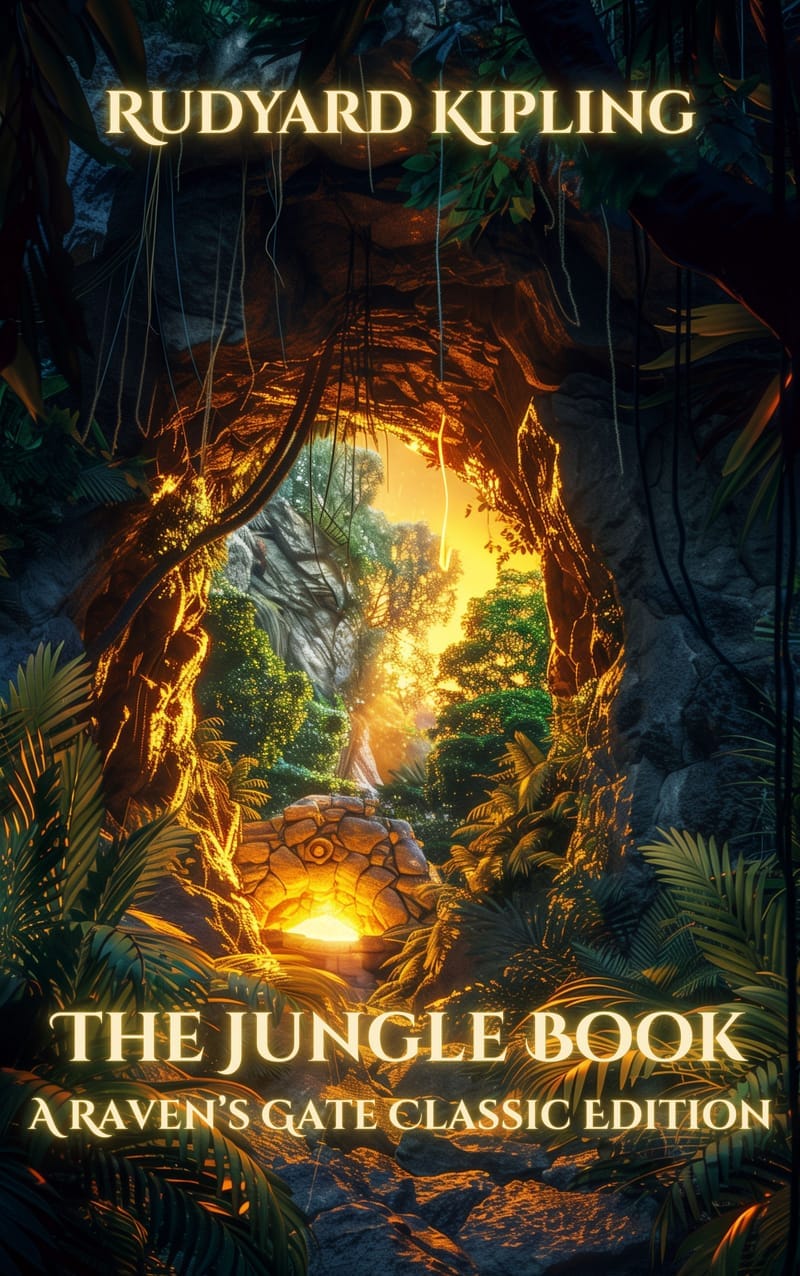
The Jungle Book (Annotated): A Raven's Gate Classics Edition
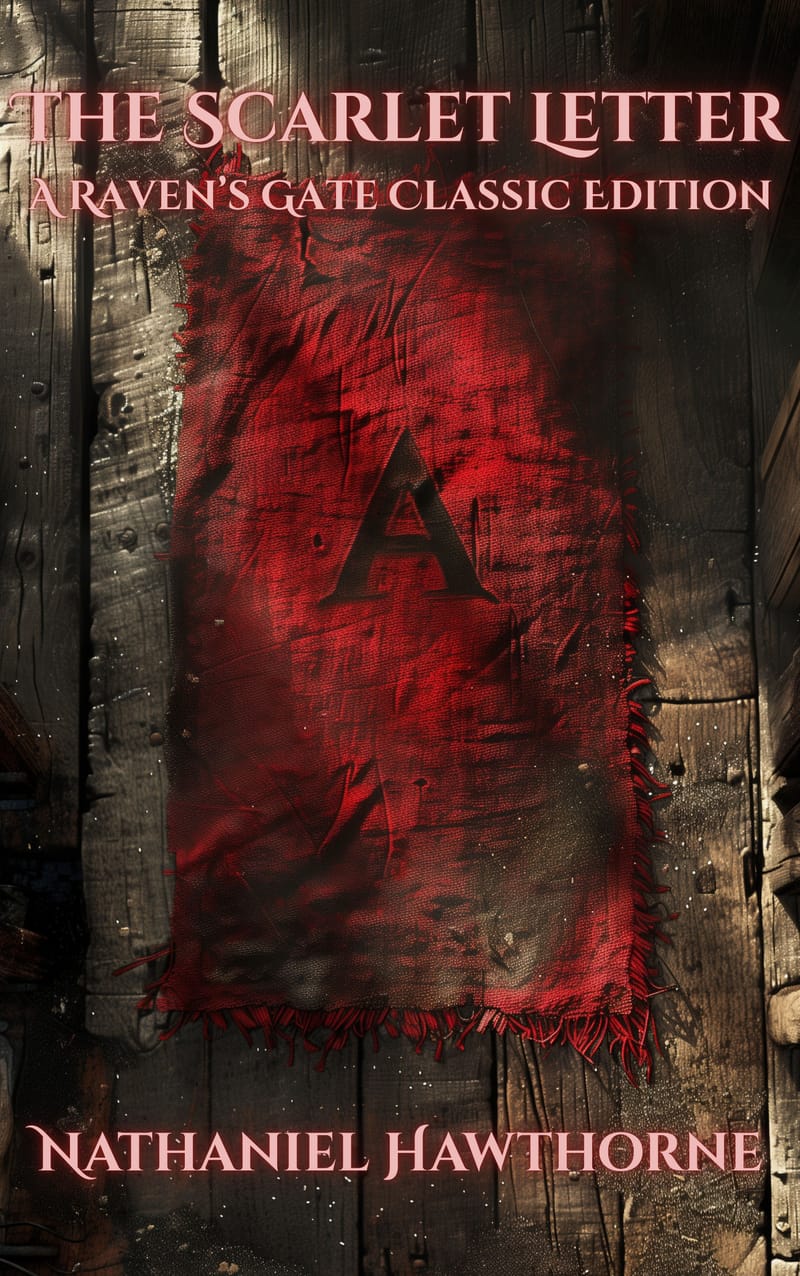
The Scarlet Letter (Annotated): A Raven's Gate Classics Edition
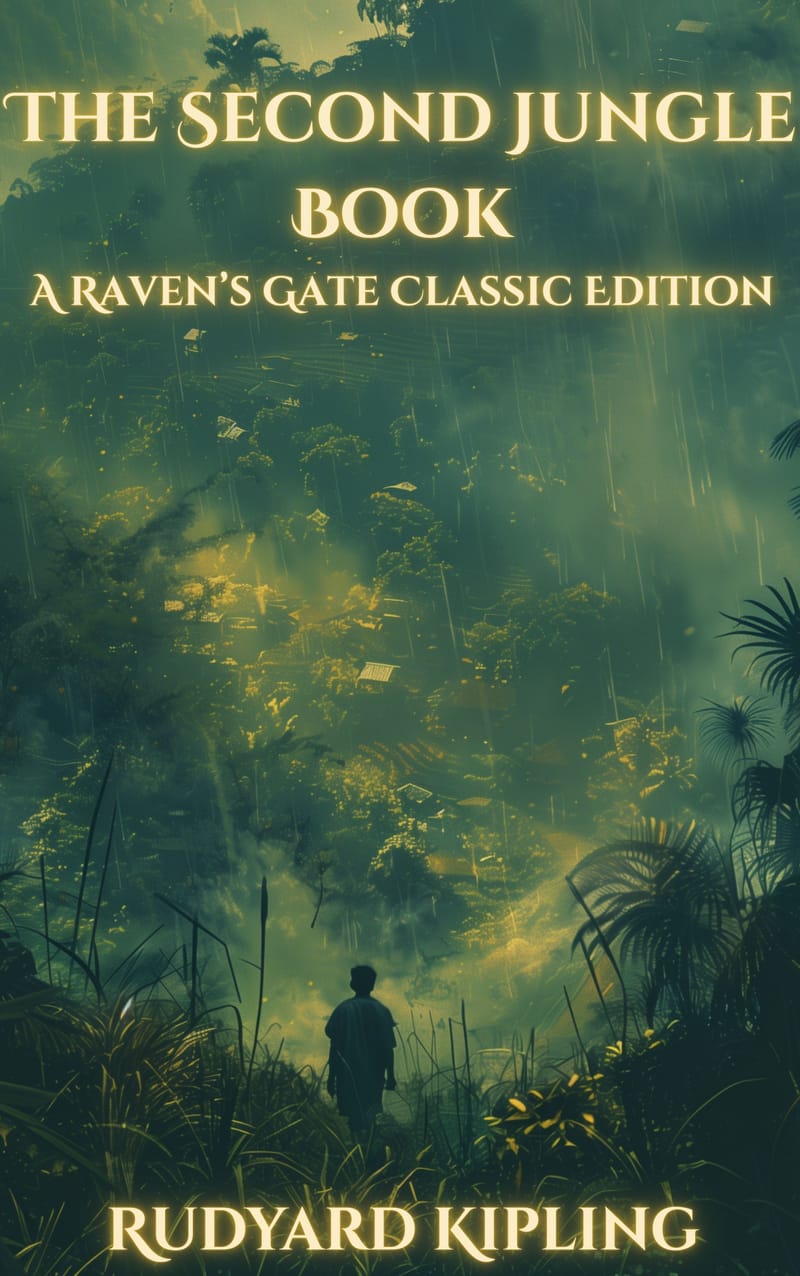
The Second Jungle Book (Annotated): A Raven's Gate Classics Edition
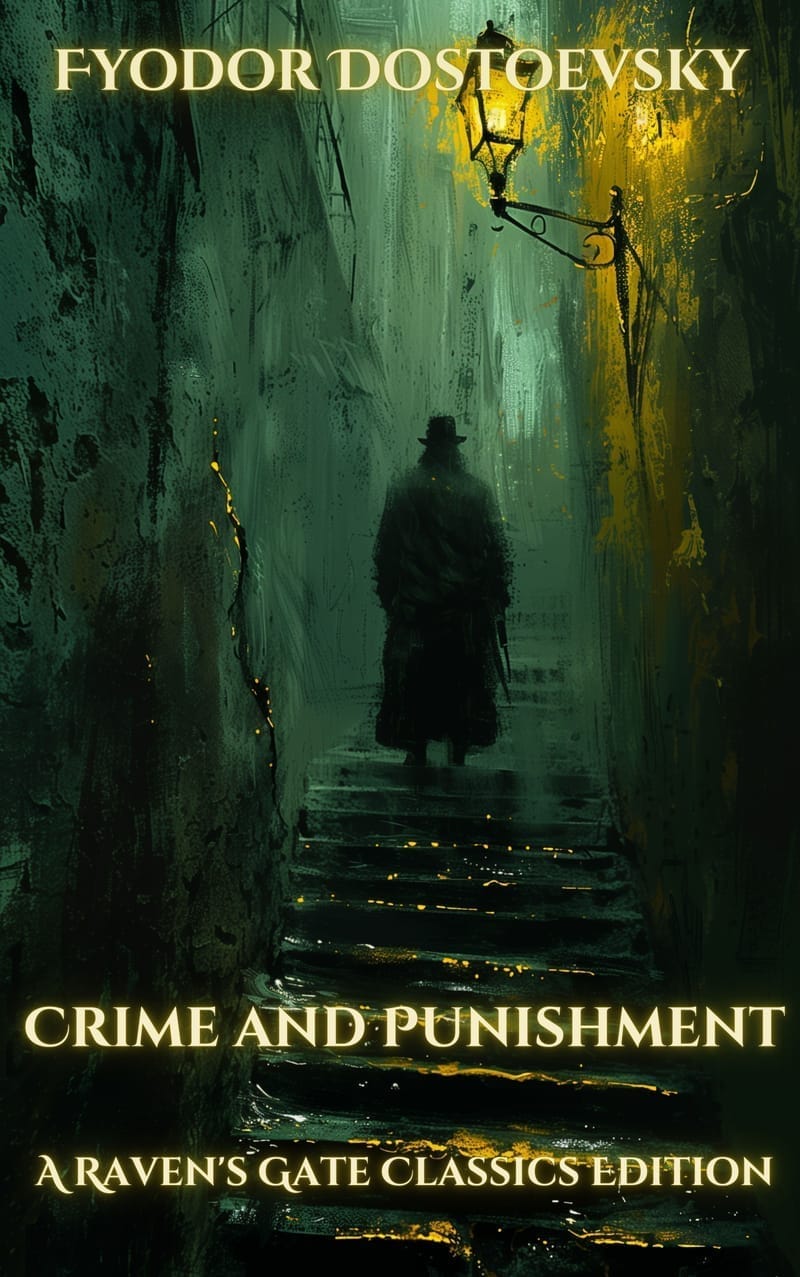
Crime and Punishment (Annotated): A Raven's Gate Classics Edition