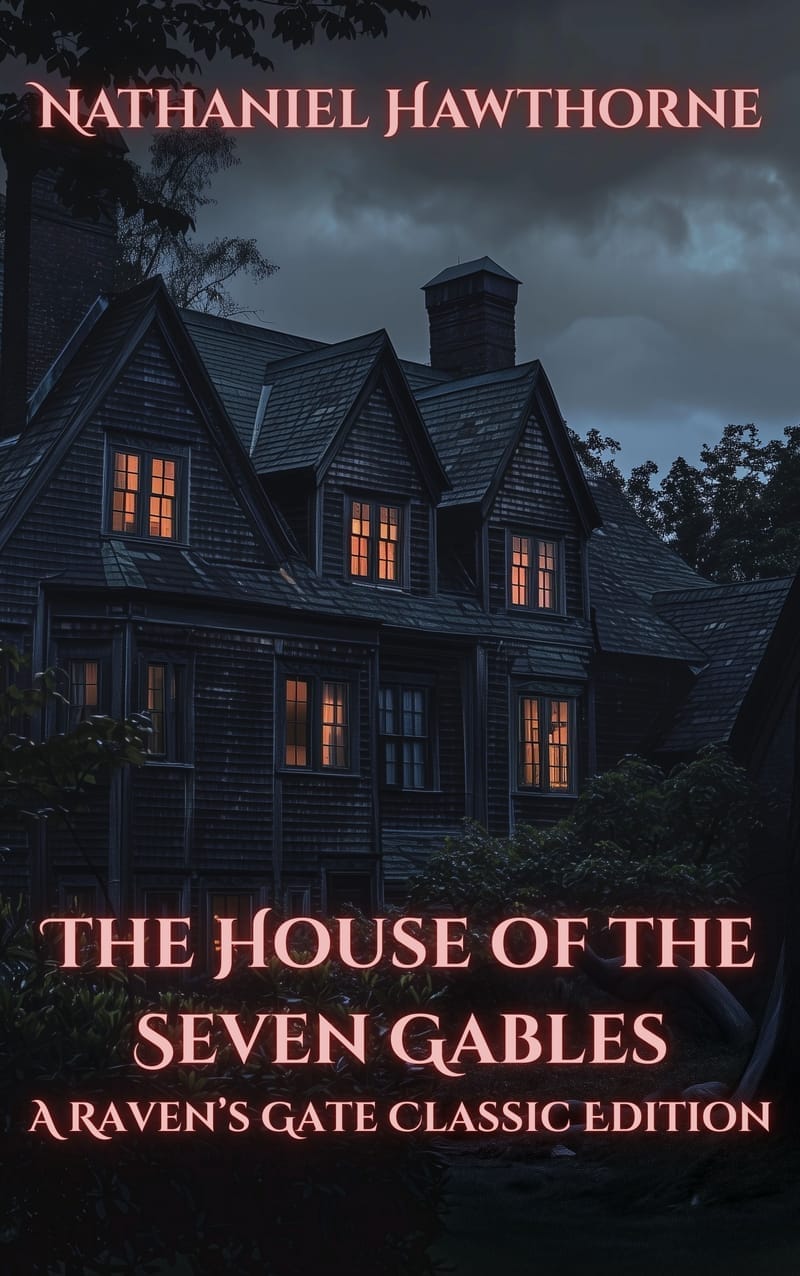
The House of the Seven Gables (Annotated): A Raven's Gate Classics Edition
by Raven's Gate Classics · Classic Horror Reimagined
Colonel Pyncheon wanted a house. Matthew Maule owned the land. Pyncheon accused Maule of witchcraft, watched him hang, and built on the cleared lot. From the scaffold, Maule cursed the family. Then Pyncheon died on the day of his housewarming, slumped in his chair with blood on his beard. That was seven generations ago. The house is still standing. The family is still paying.
Nathaniel Hawthorne published this in 1851, one year after The Scarlet Letter made him famous and made Salem furious. He called it a romance, not a novel, and he meant the distinction. Where The Scarlet Letter is tight, controlled, almost claustrophobic, The House of the Seven Gables sprawls. It is a ghost story and a love story and a meditation on whether sin can be inherited. The Pyncheon family has spent two centuries trying to reclaim a vast tract of land through a missing deed, and every generation produces a new Judge Pyncheon who accumulates wealth and power while something rots behind the respectable face. The novel asks a question Americans still have not answered: what do the living owe for what the dead did to get them what they have?
Hawthorne knew this territory. His own ancestor, John Hathorne, was one of the judges at the Salem witch trials. Nathaniel added the w to the family name but never stopped writing about inherited guilt. This is the novel where he dealt with it most directly: a house built on stolen land, a family sustained by a lie, and the curse that will not lift until someone tells the truth.
This Raven's Gate Classics edition includes Hawthorne's original preface, in which he explains the difference between a romance and a novel and why it matters for what follows, and the complete, unaltered text of all twenty-one chapters. A biography of Nathaniel Hawthorne covers the Salem ancestry and Judge Hathorne's role in the witch trials, the reclusive early years, the Concord circle and the friendship with Melville, the customs house firing, the fame and controversy of The Scarlet Letter, the composition of Seven Gables as a companion piece and corrective, the consulship in Liverpool, the Italian years, the failing health, and the death with an unfinished manuscript in his desk.
Commentary covers the curse and whether it works as the supernatural or as the accumulated consequences of greed, Judge Pyncheon as one of American fiction's great hypocrites, Hepzibah and Clifford and the cost of gentility without money, Phoebe as the force that breaks the cycle, Holgrave and the question of reform versus inheritance, and Hawthorne's theory of romance versus novel and what it freed him to do. Curated further reading is included.
No summaries. No study questions. No academic gatekeeping. Just the novel about what a family owes for a house built on a dead man's land, with the context to understand the writer who added a letter to his name but could not outrun his ancestor's bench.
More by Raven's Gate Classics

Carmilla
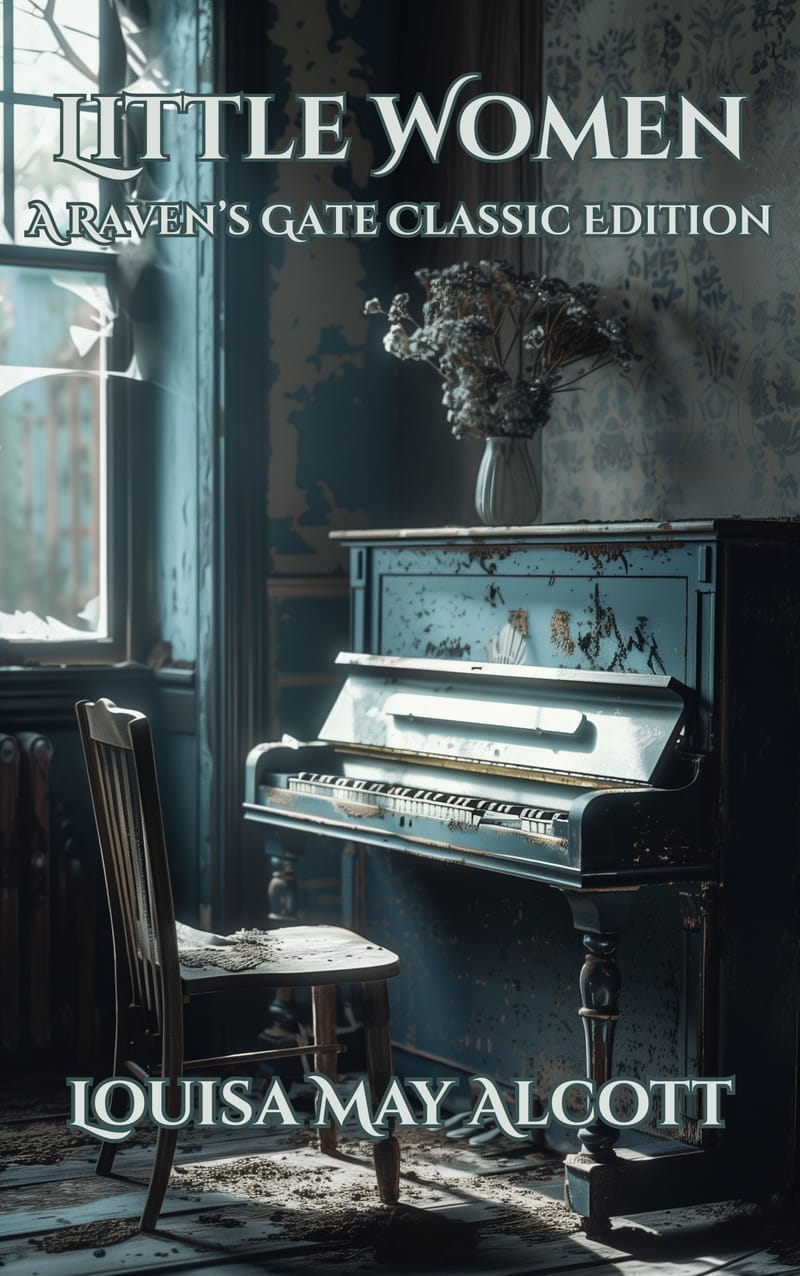
Little Women (Annotated): A Raven's Gate Classics Edition

The Jungle Book (Annotated): A Raven's Gate Classics Edition
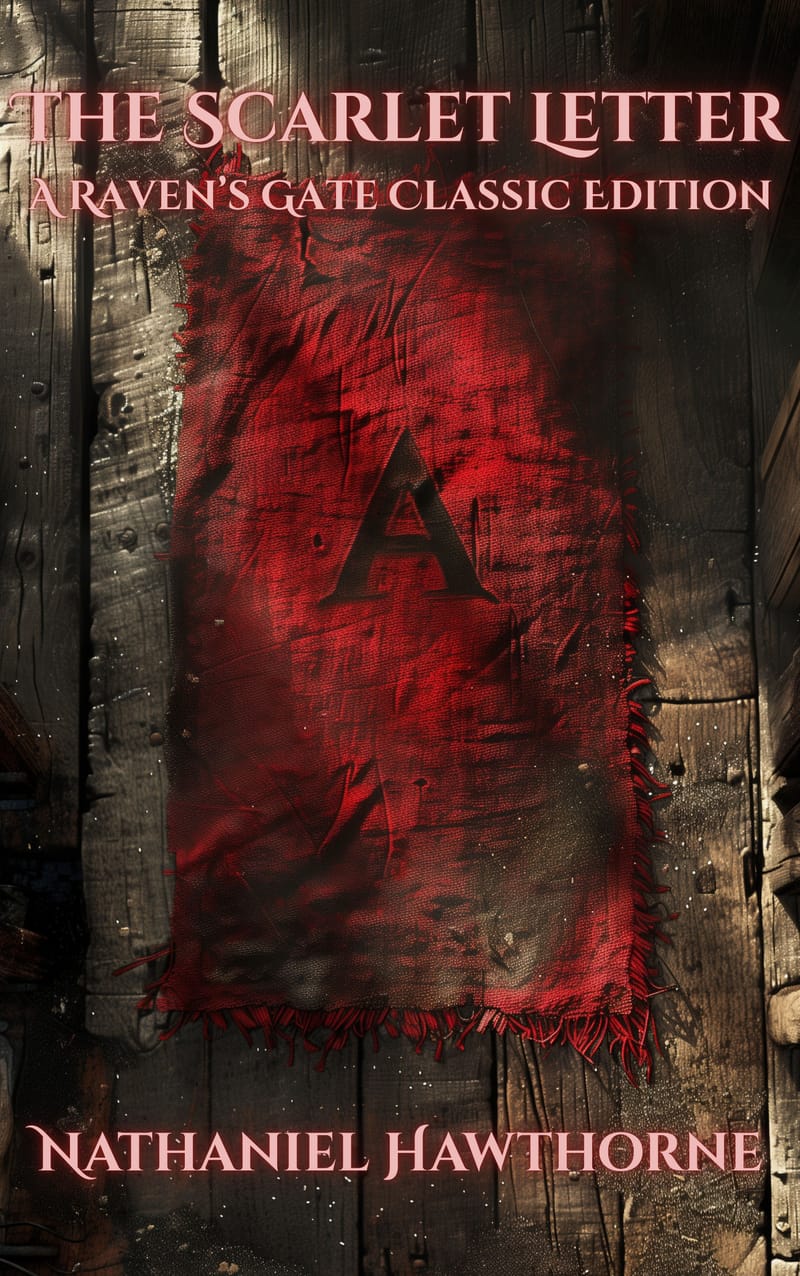
The Scarlet Letter (Annotated): A Raven's Gate Classics Edition
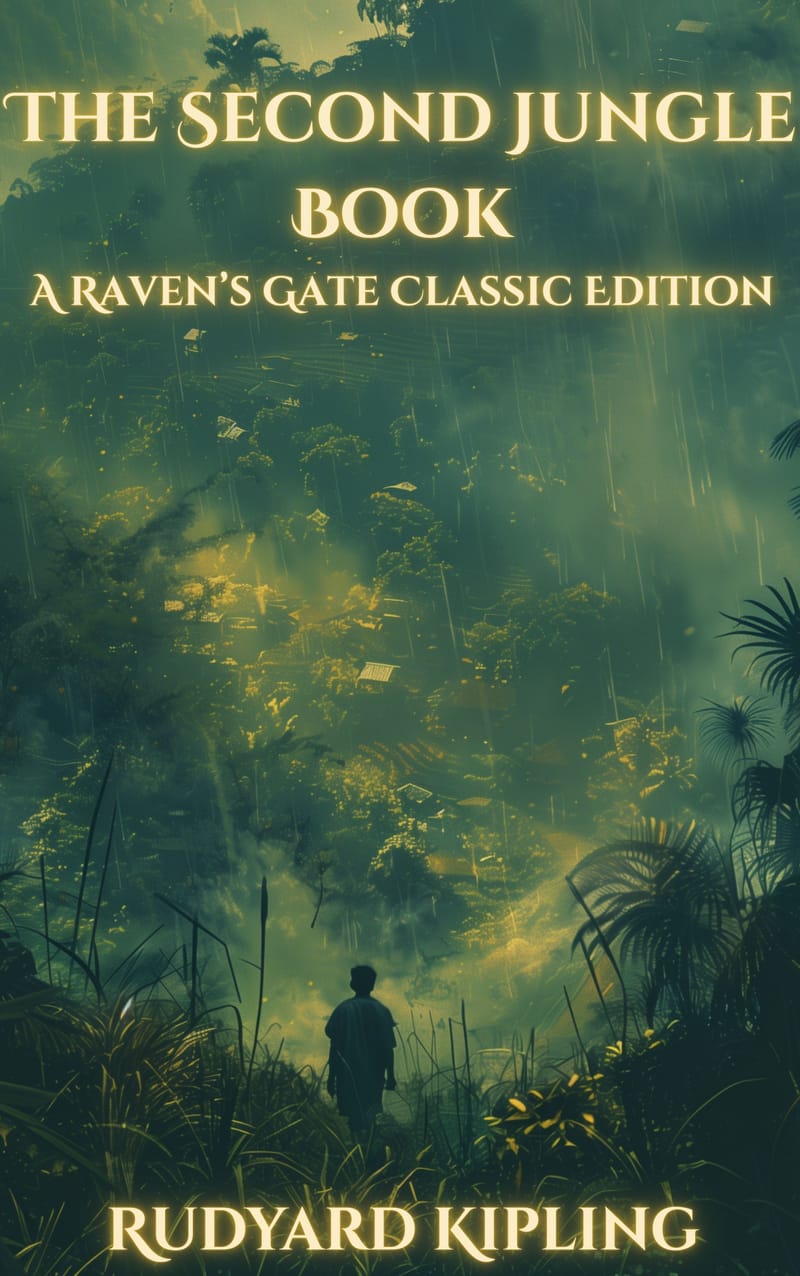
The Second Jungle Book (Annotated): A Raven's Gate Classics Edition
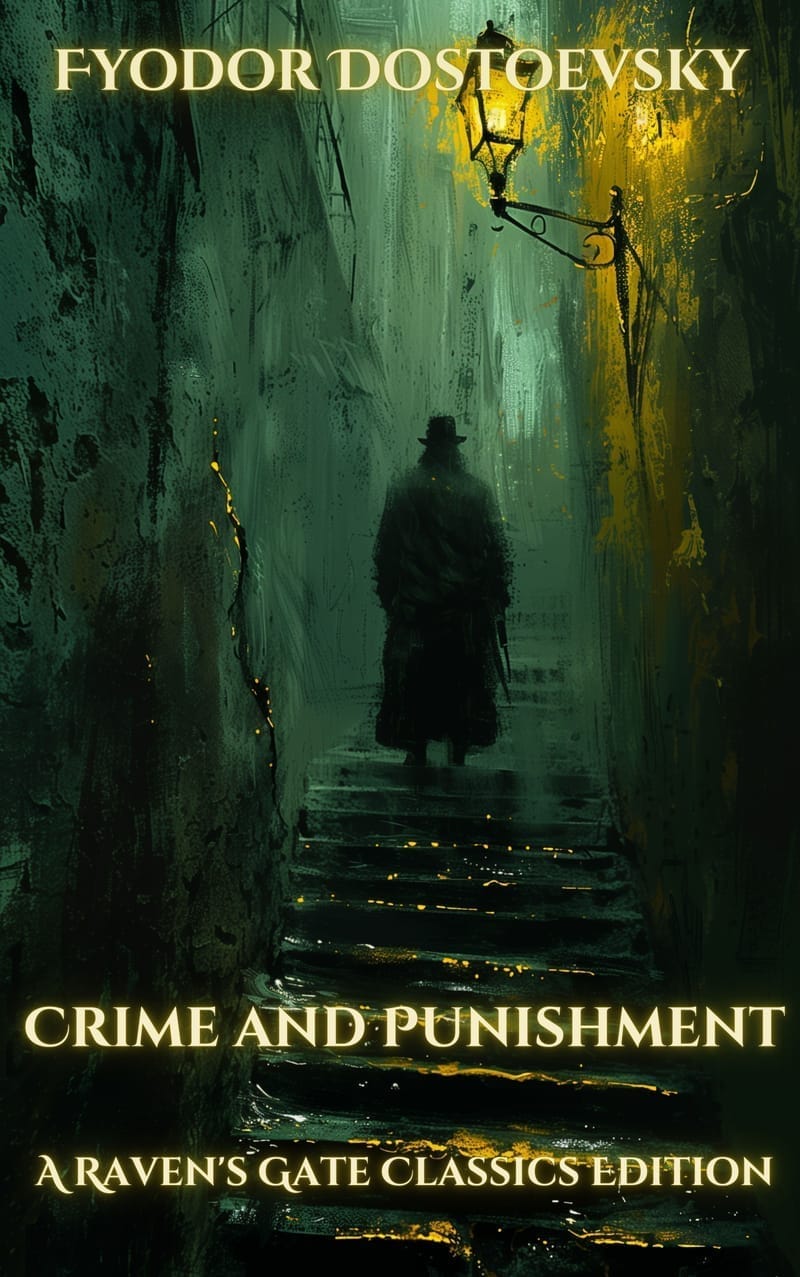
Crime and Punishment (Annotated): A Raven's Gate Classics Edition