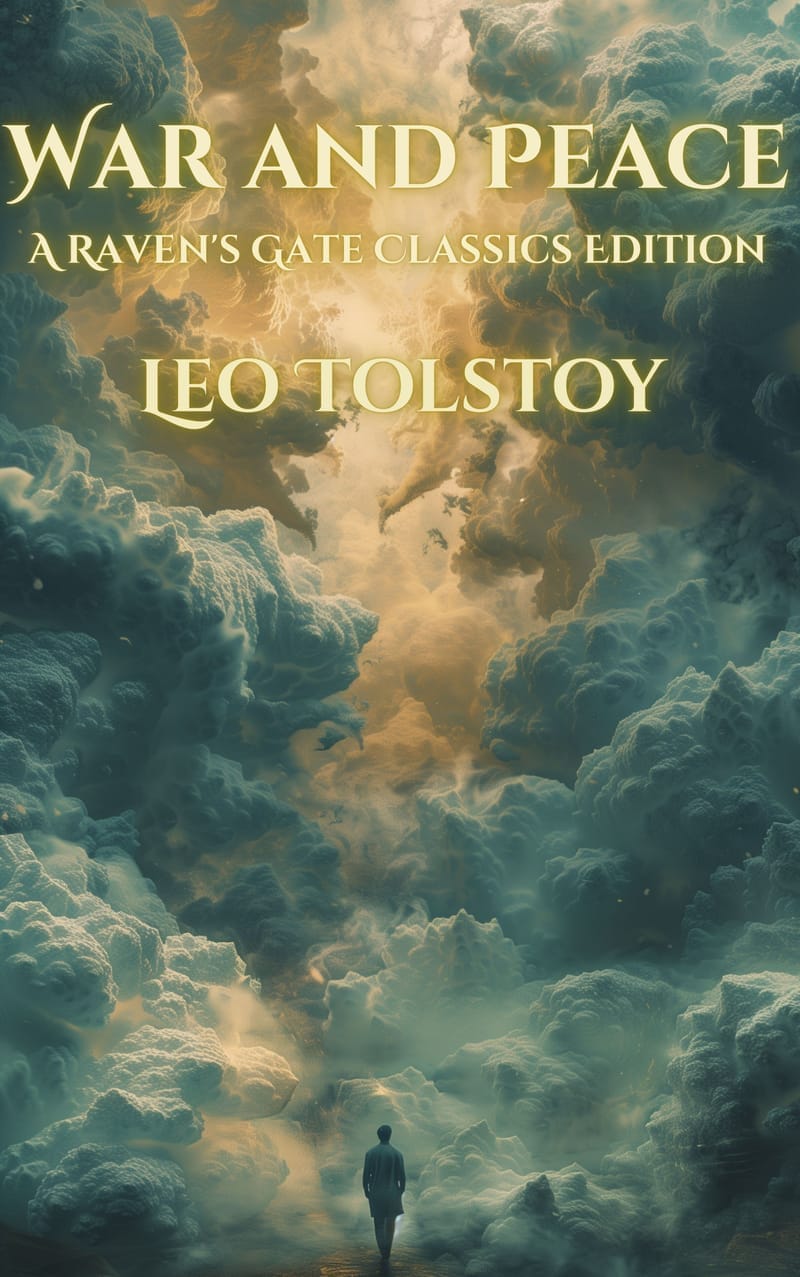
War and Peace (Annotated): A Raven's Gate Classics Edition
by Raven's Gate Classics · Classic Horror Reimagined
Tolstoy set out to write a novel about the Napoleonic Wars. He wrote the longest great novel in any language instead.
War and Peace follows three aristocratic Russian families — the Rostovs, the Bolkonskys and the Bezukhovs — through the years 1805 to 1820, from the first campaigns against Napoleon through the burning of Moscow, the catastrophic French retreat, and the uneasy peace that followed. Pierre Bezukhov, the fat, awkward heir who cannot figure out what his life is for. Prince Andrei Bolkonsky, brilliant and cold, chasing glory and finding an infinite sky. Natasha Rostova, the most alive character in fiction, who enters at thirteen laughing and leaves the novel as a mother who has forgotten how to sing. Around them, five hundred named characters live, argue, fall in love, betray each other, and die on battlefields that Tolstoy renders with a realism no one had achieved before and very few have matched since.
This is also a novel about ideas. Tolstoy's philosophy of history — that great men do not shape events, that Napoleon was carried by forces he could not control, that what we call free will is a story we tell ourselves afterward — runs through the narrative and dominates the Second Epilogue. The philosophy contradicts the novel's own characters, who live as though their choices matter. Tolstoy held both truths at once. He did not blink.
This Raven's Gate Classics edition uses the Maude translation, completed by Louise and Aylmer Maude, English friends of Tolstoy who lived in Russia and whose work Tolstoy himself reviewed and approved. The edition includes a modern introduction, a biography covering Tolstoy's life from Yasnaya Polyana through his midnight flight and death at Astapovo station, commentary and analysis on the novel's major characters, battle scenes and philosophical arguments, a legacy essay tracing the novel's influence from Proust and Woolf through Grossman's Life and Fate, and annotated further reading.
No study guides. No chapter summaries. No academic apparatus. Just the mountain, and the tools to climb it.
More by Raven's Gate Classics
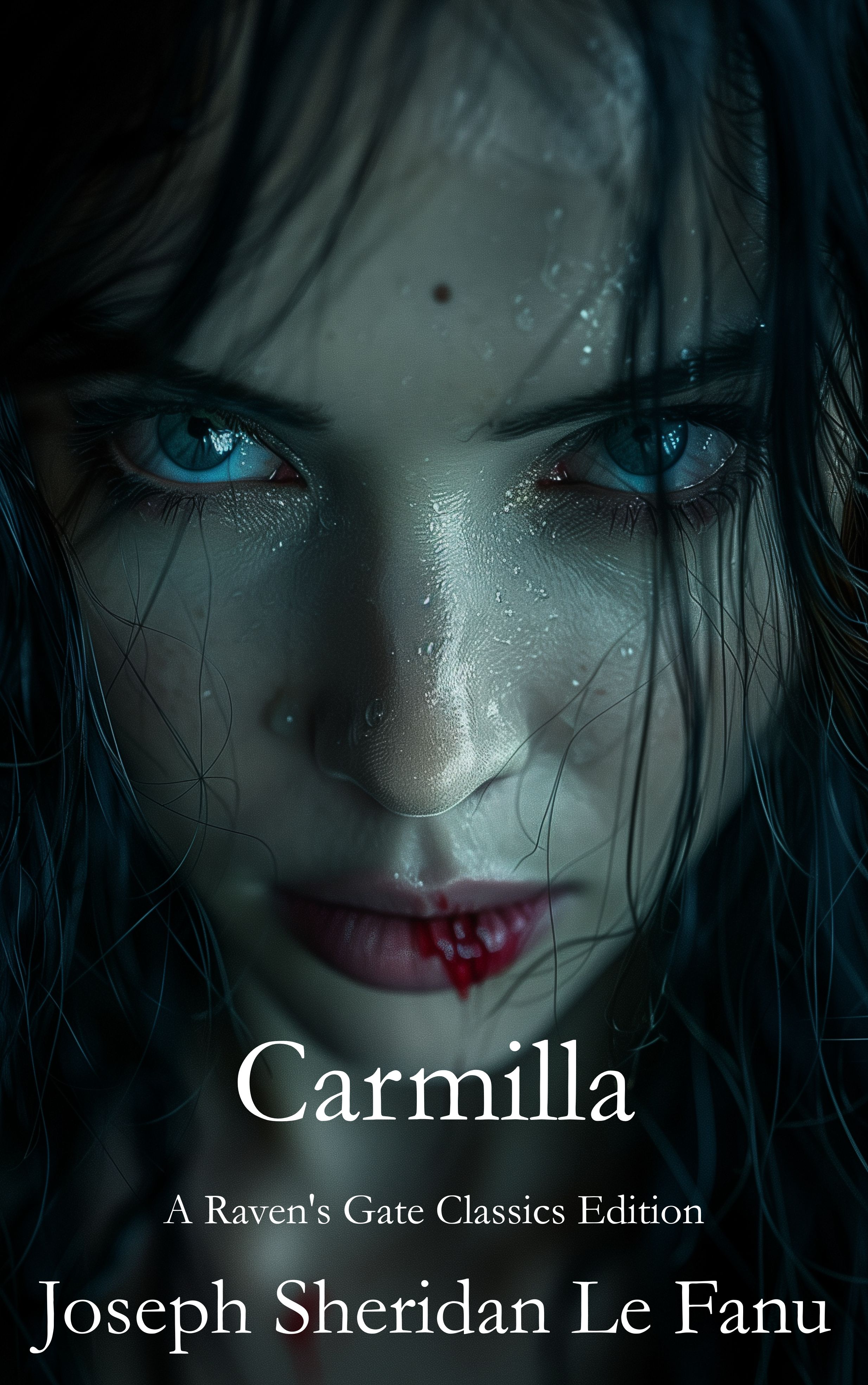
Carmilla
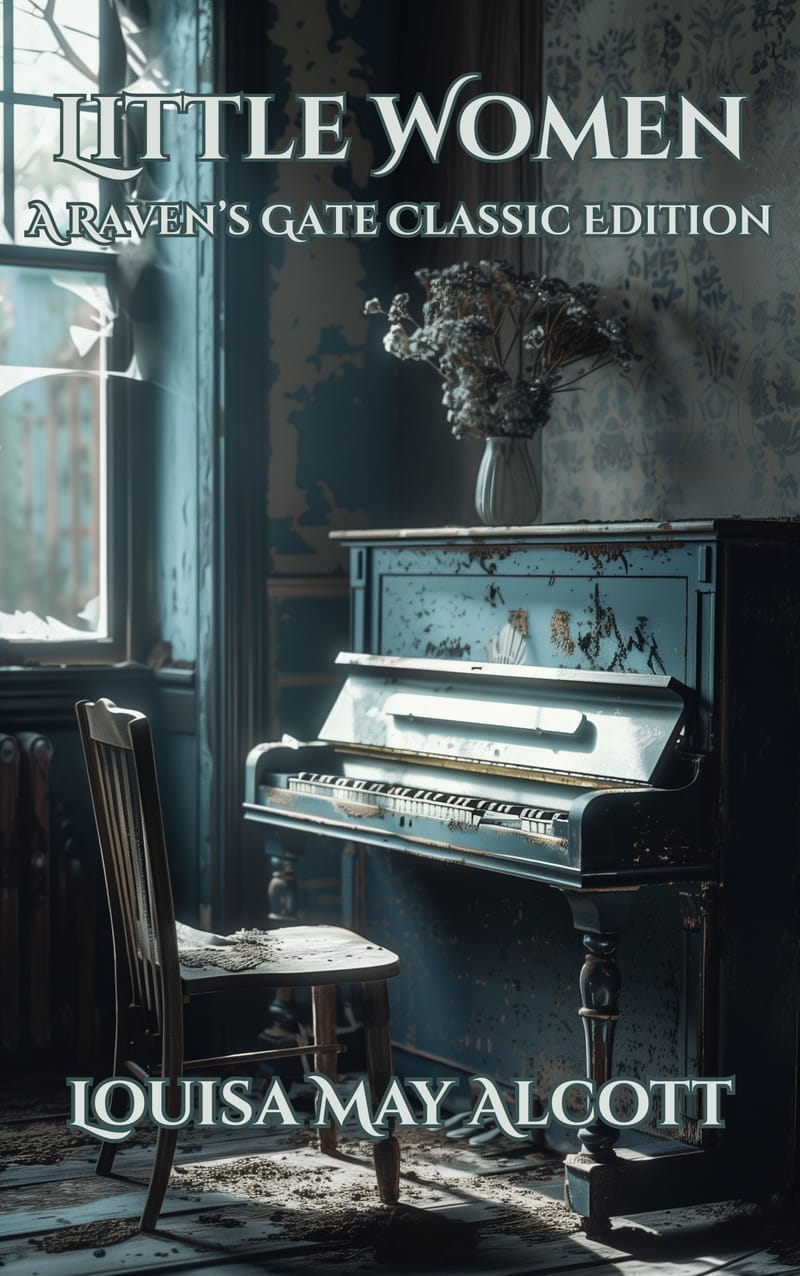
Little Women (Annotated): A Raven's Gate Classics Edition
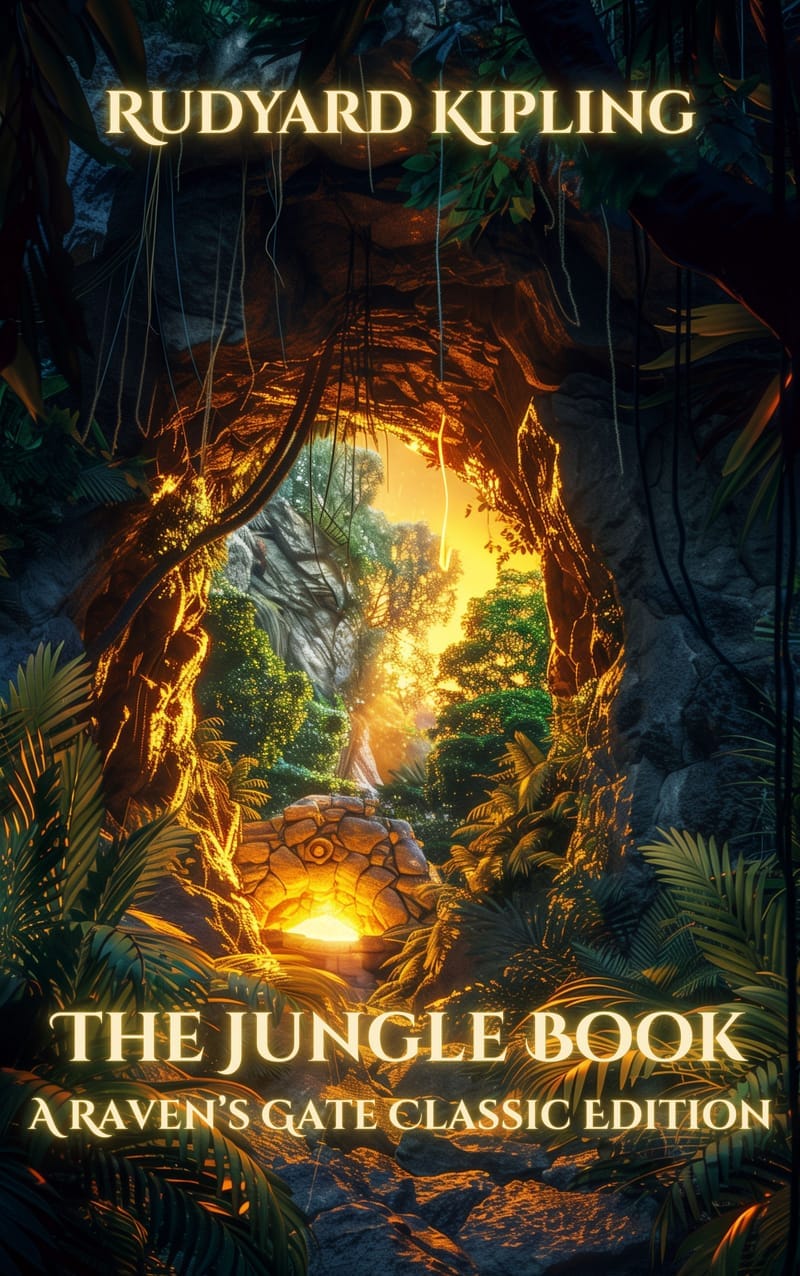
The Jungle Book (Annotated): A Raven's Gate Classics Edition
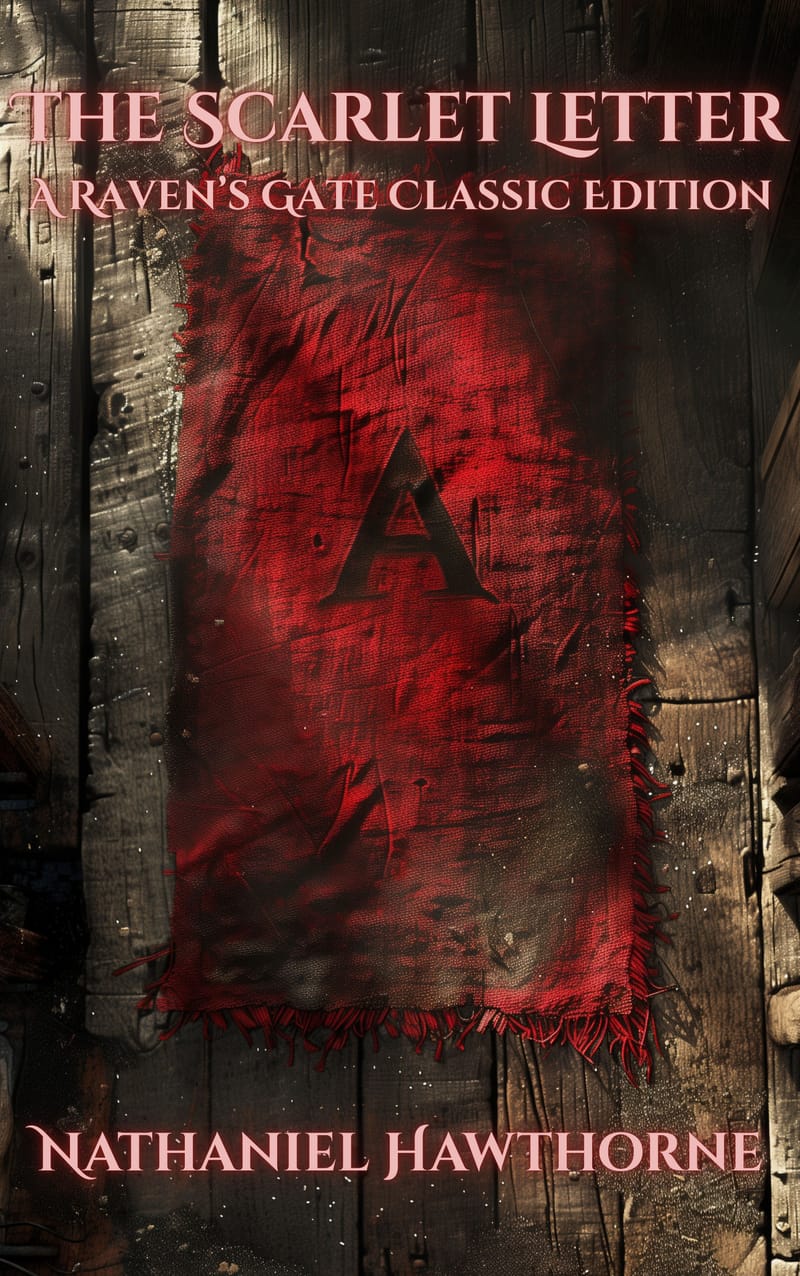
The Scarlet Letter (Annotated): A Raven's Gate Classics Edition
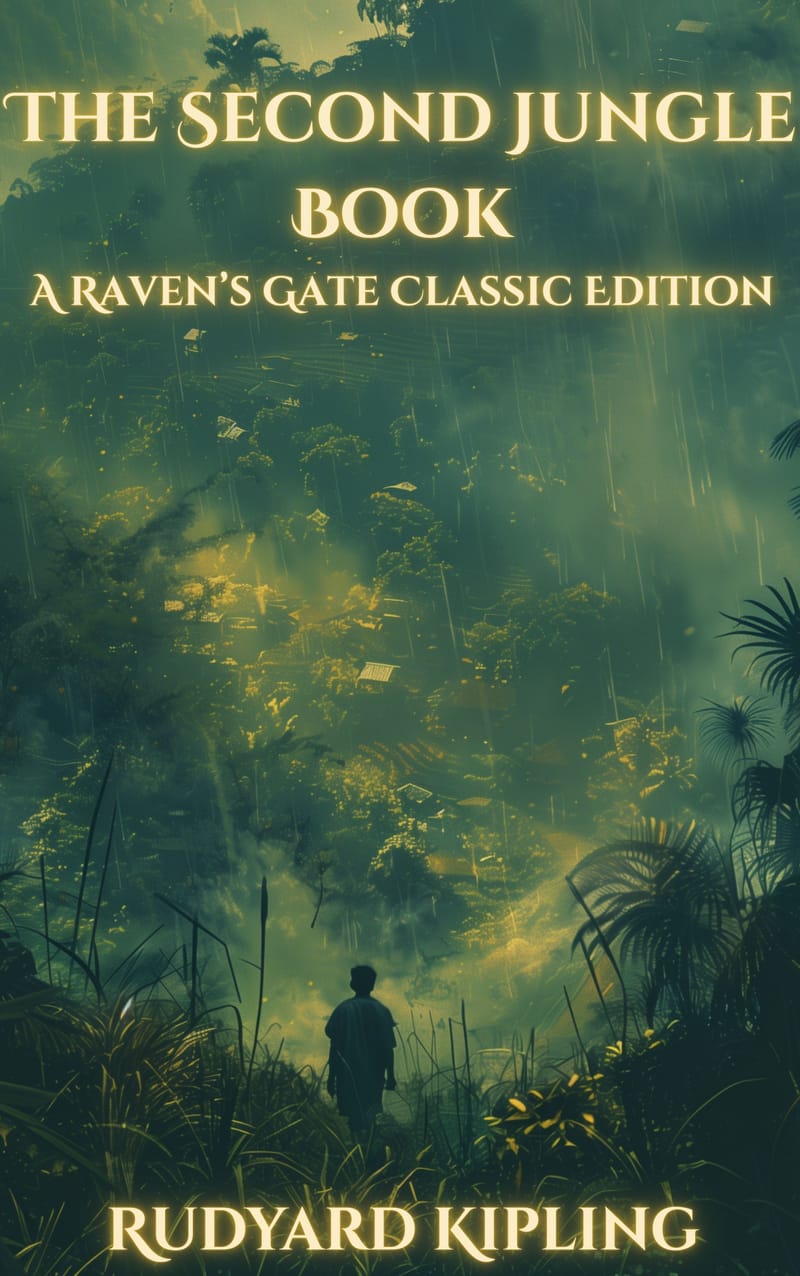
The Second Jungle Book (Annotated): A Raven's Gate Classics Edition
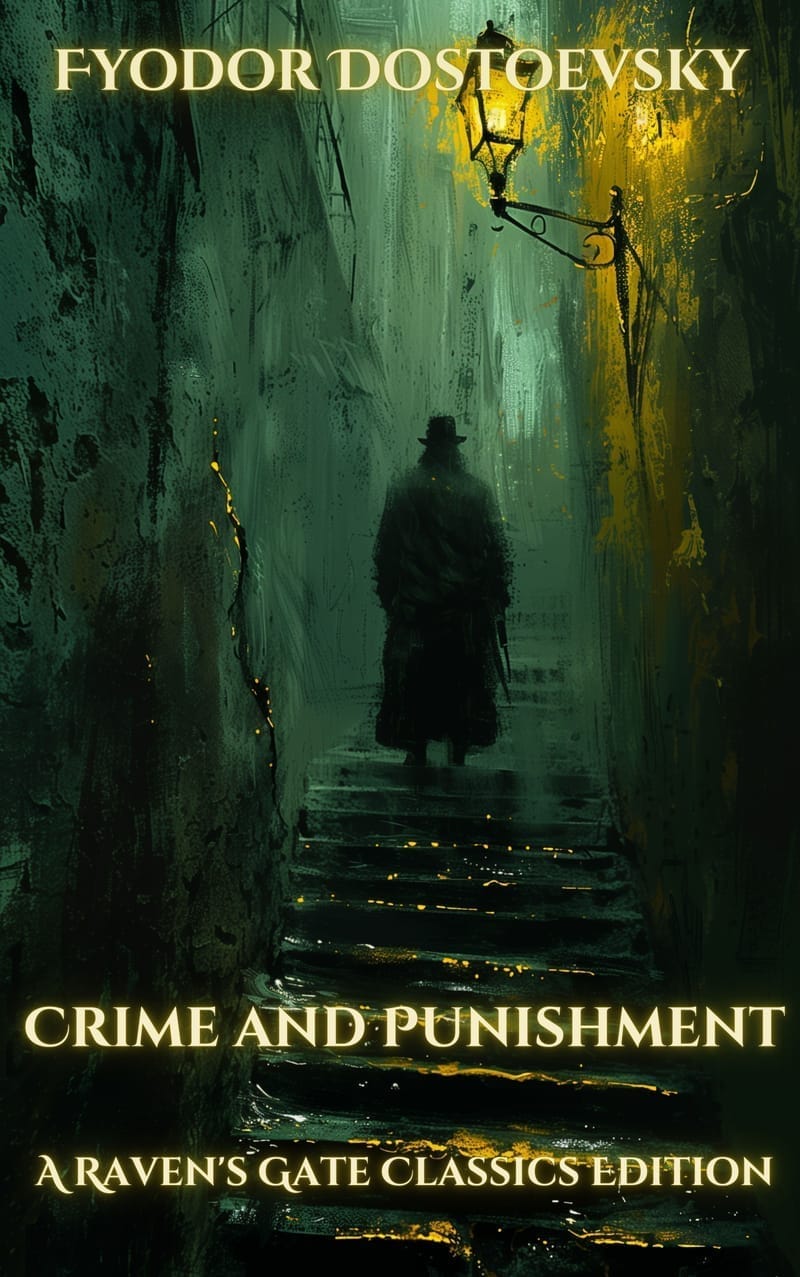
Crime and Punishment (Annotated): A Raven's Gate Classics Edition